 Alabanza MusicVersity
Just beginning?
For babies just beginning.
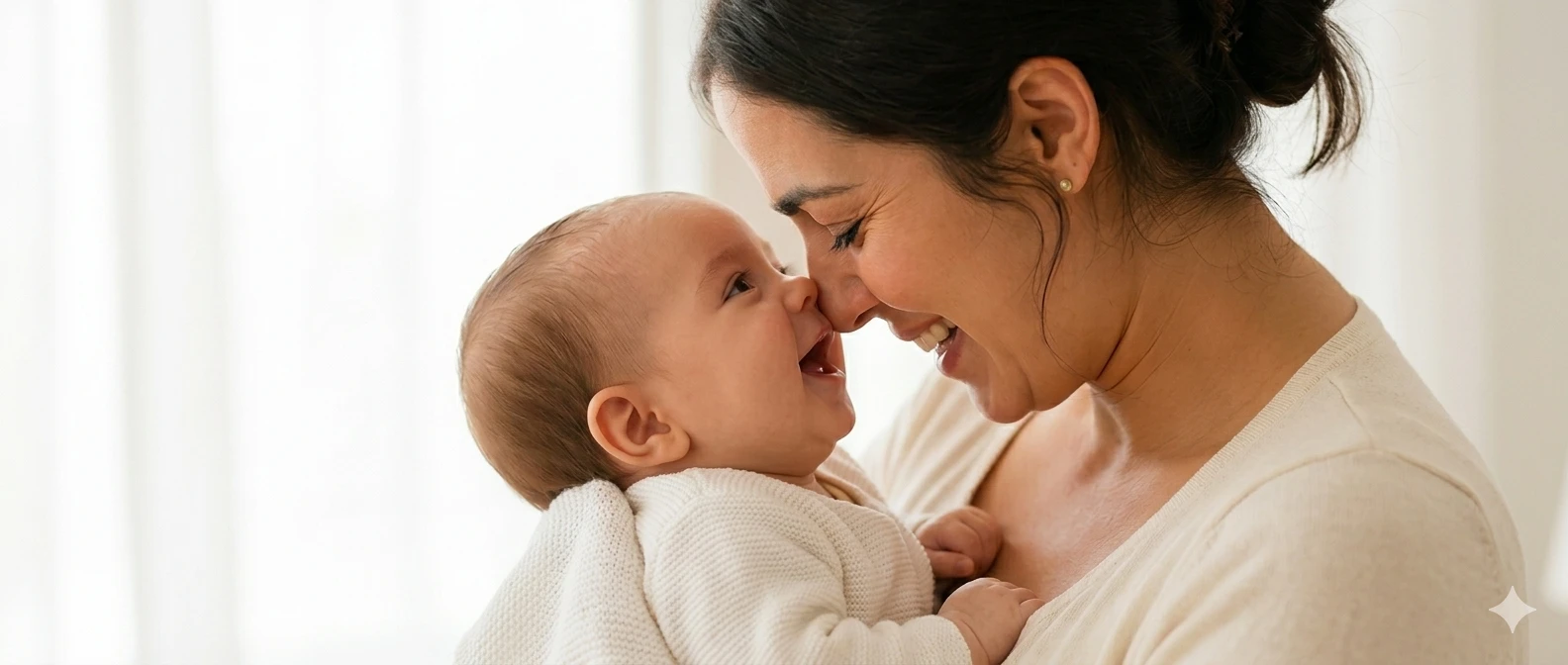
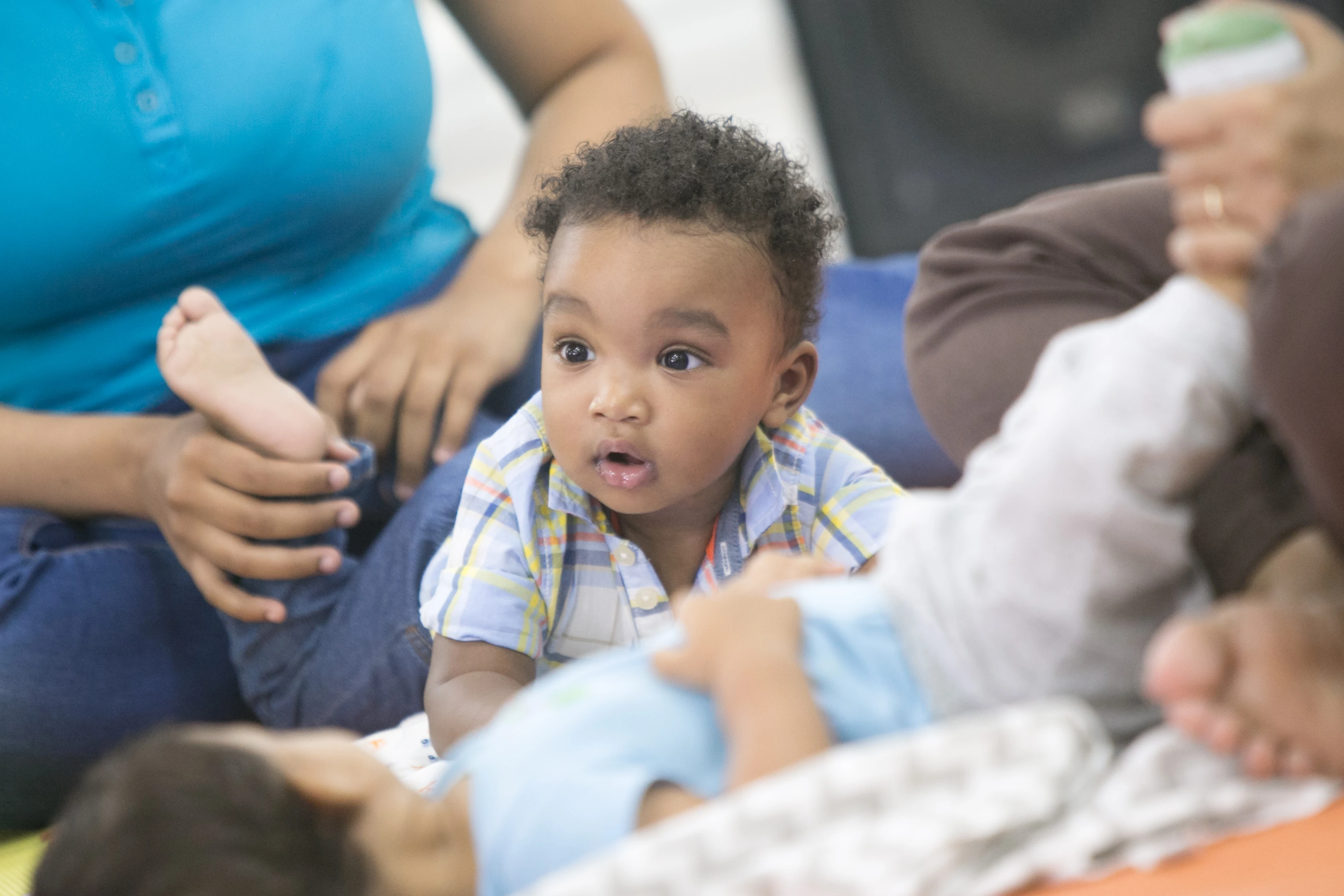
Newborns, older babies and young toddlers begin at their own developmental stage.

 Alabanza MusicVersity
For newborns, older babies, and young toddlers
International curriculum · delivered here
Bouncing Bambinos follows a sequential early childhood music curriculum designed specifically for babies and their caregivers, with listening, movement, tonal and rhythmic experiences that continue at home.
Who Bouncing Bambinos is for
You do not need a baby who can sit, walk, talk or “perform” in class. You just need a baby ready to listen, move, connect and grow alongside a caring adult.
Alabanza MusicVersity
Newborns, older babies and young toddlers begin at their own developmental stage.
 Alabanza MusicVersity
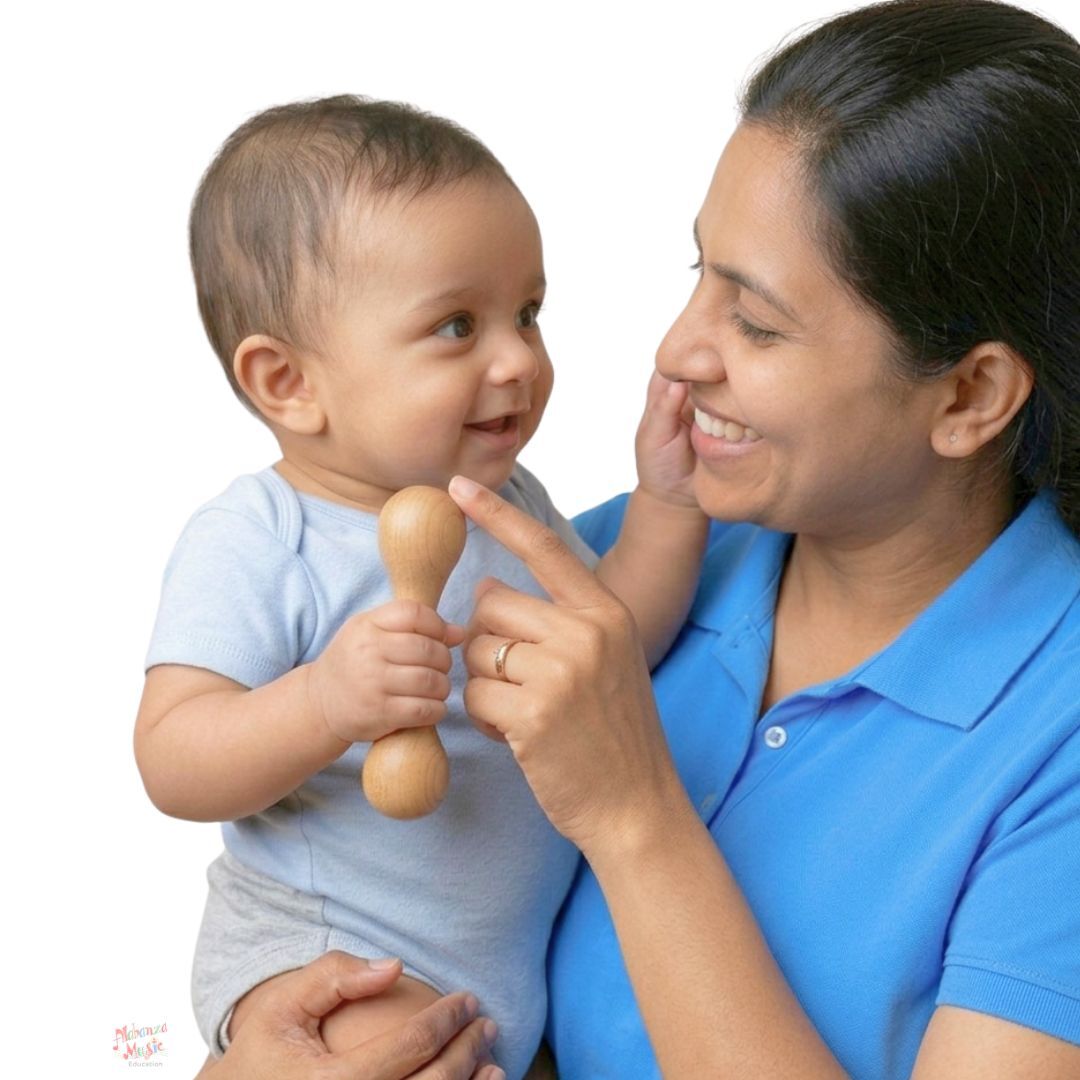
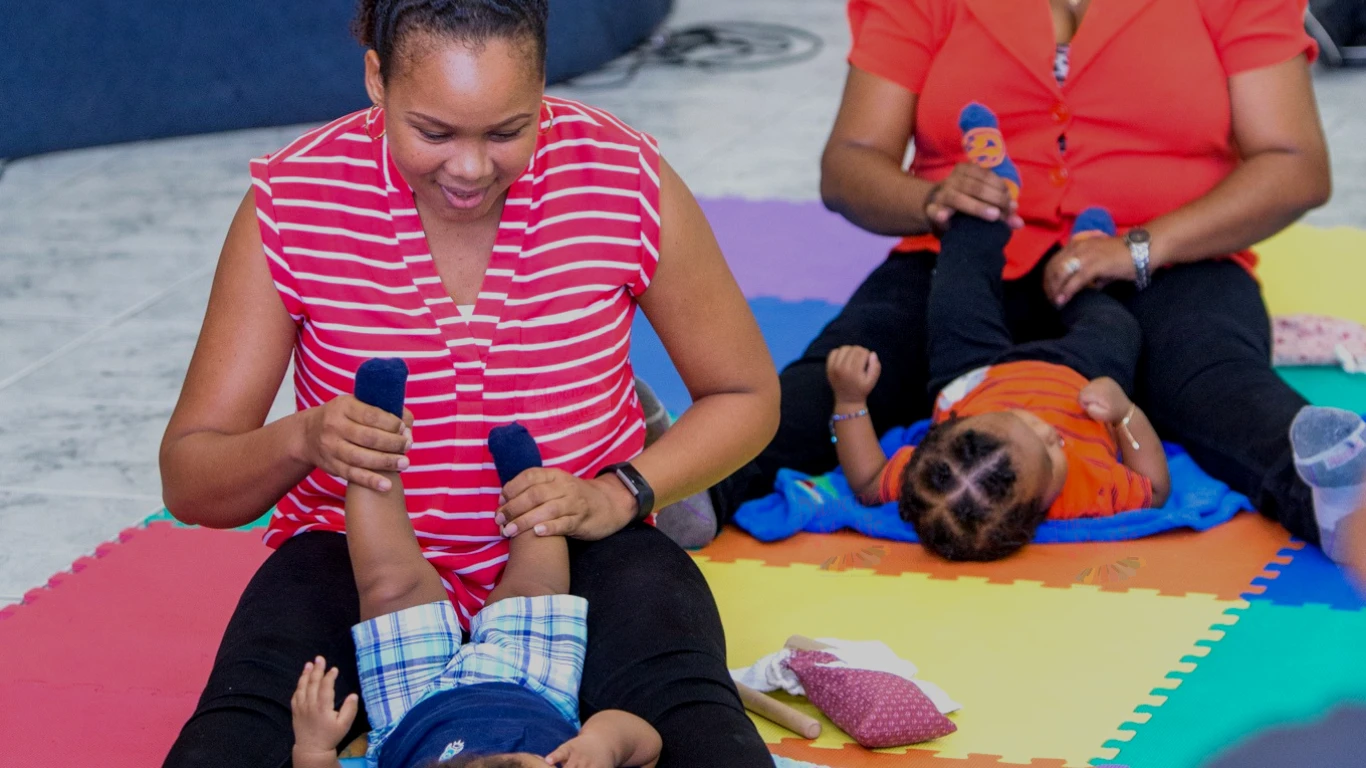
Moms, dads and primary caregivers participate alongside baby, then carry the music, movement and connection into everyday life.
Music + movement + multilingual learning from birth
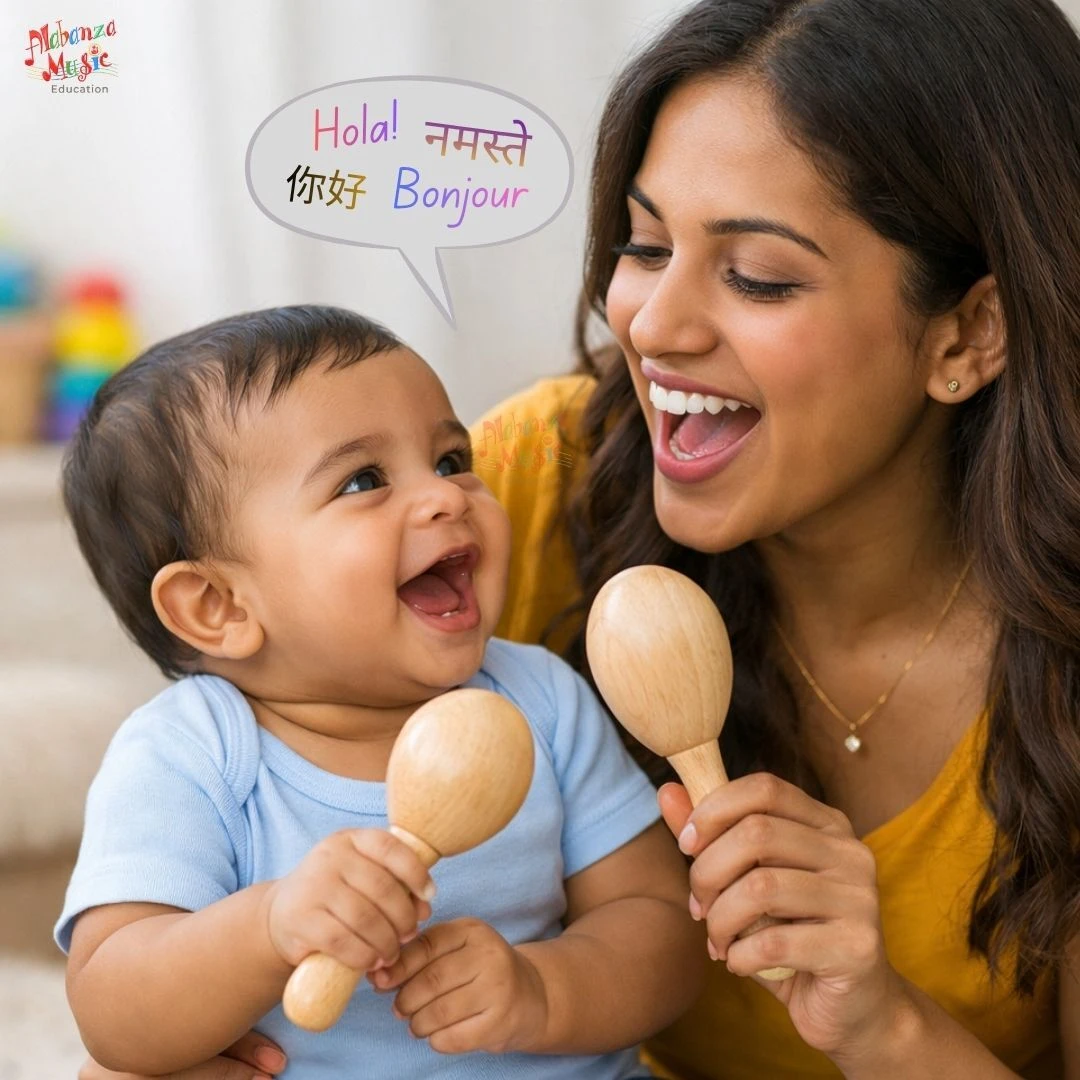
Bouncing Bambinos uses music, movement and multilingual interaction to support connection, early communication, regulation and the foundations of musicianship while your baby is still learning through you.
 Alabanza MusicVersity
 Alabanza MusicVersity
 Alabanza MusicVersity
 Alabanza MusicVersity
 Alabanza MusicVersity
 Alabanza MusicVersityMusicListening, tonal patterns, steady beat and musical memory.
 Alabanza MusicVersityMovementBody awareness, coordination, rhythmic movement and regulation.
 Alabanza MusicVersityMultilingualismNatural exposure to varied speech sounds through memorable musical interaction.
 Alabanza MusicVersity
Inside a Bouncing Bambinos session
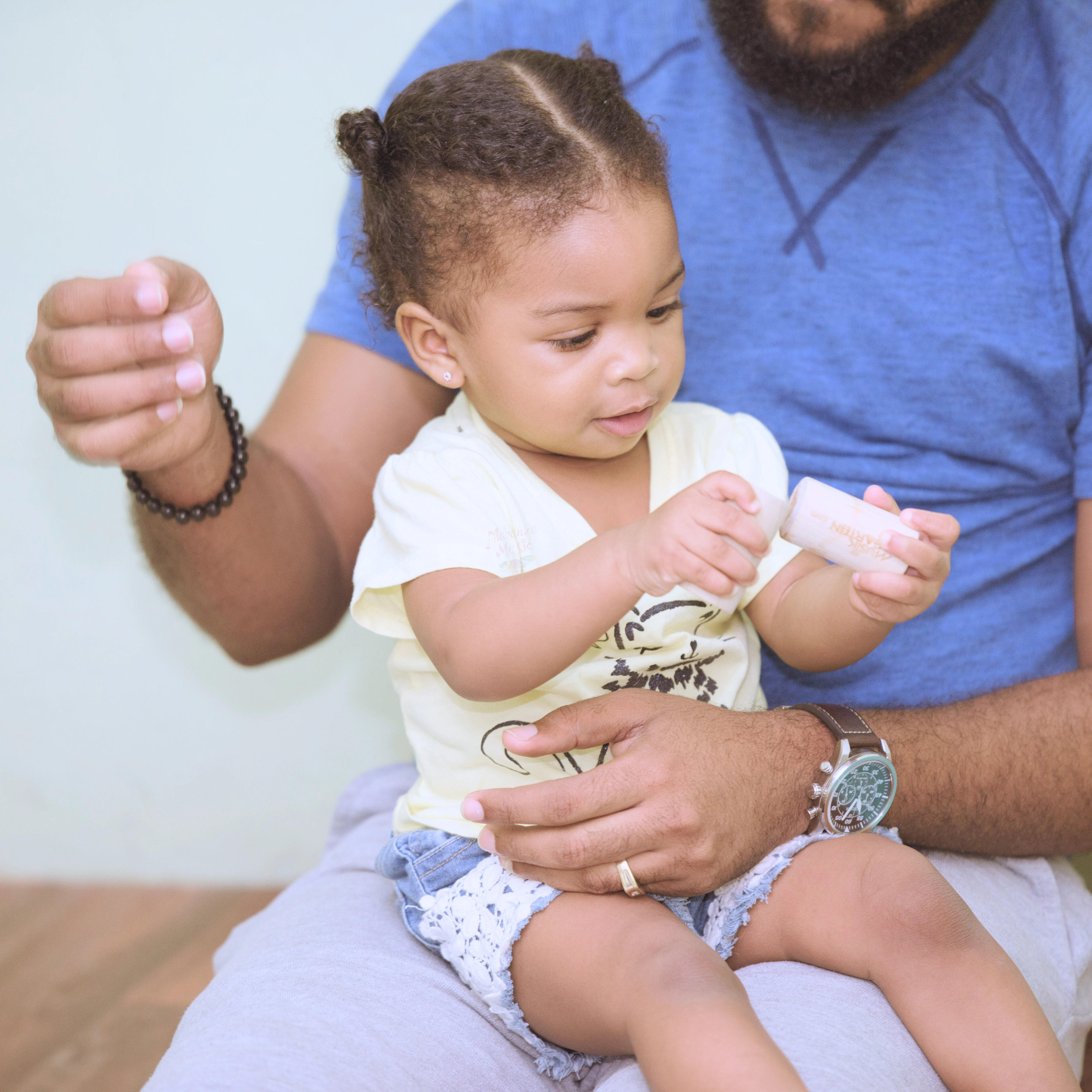
Each session is paced for babies and young toddlers, with one parent or guardian participating throughout. Activities vary by lesson and developmental stage, but the experience stays active, musical and connected.
 Alabanza MusicVersity
Songs, rhymes, vocal turn-taking and repeated musical patterns give babies lots to hear, watch and respond to.
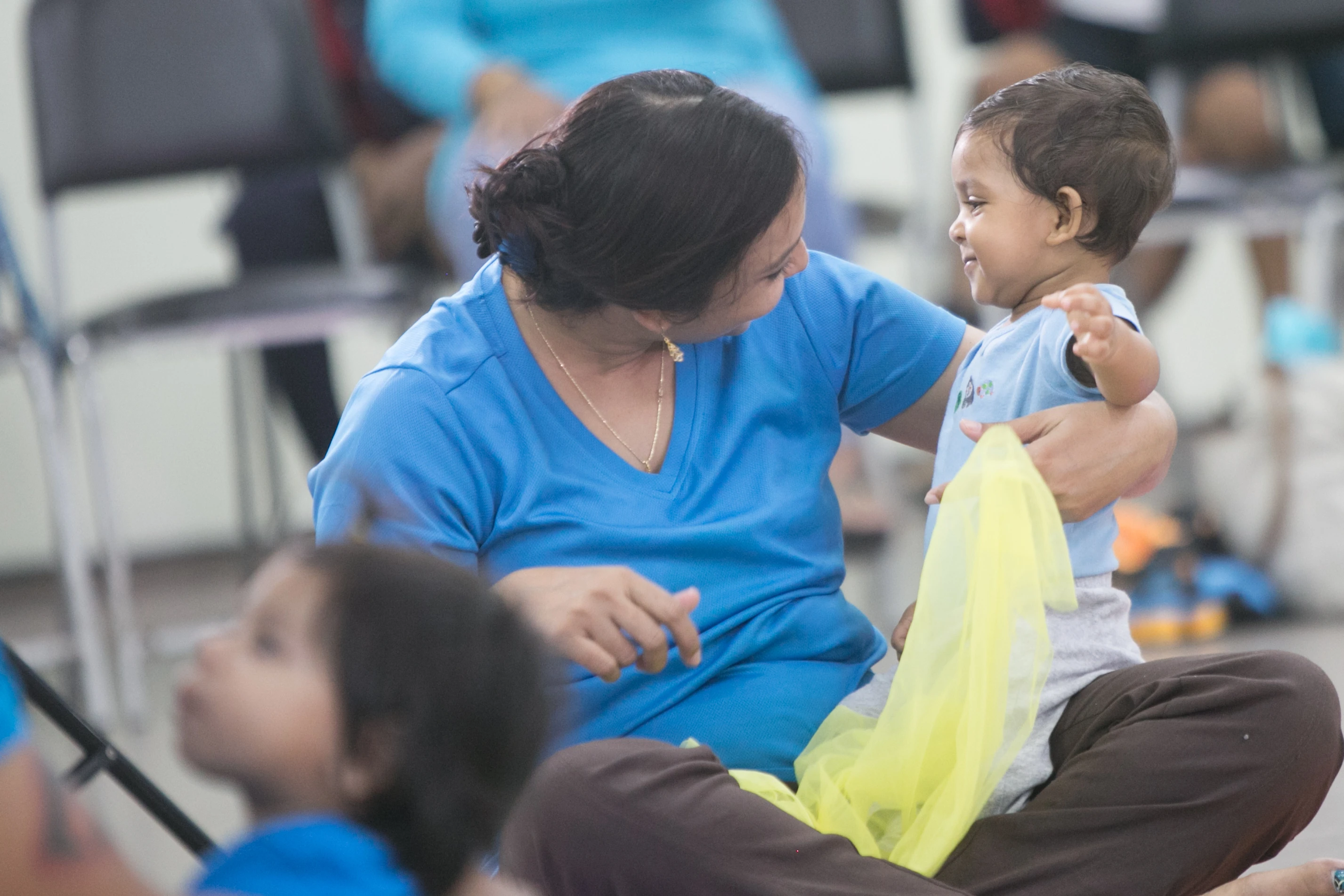
Rocking, bouncing, dancing and gentle movement happen with your baby, helping build connection, body awareness and regulation.
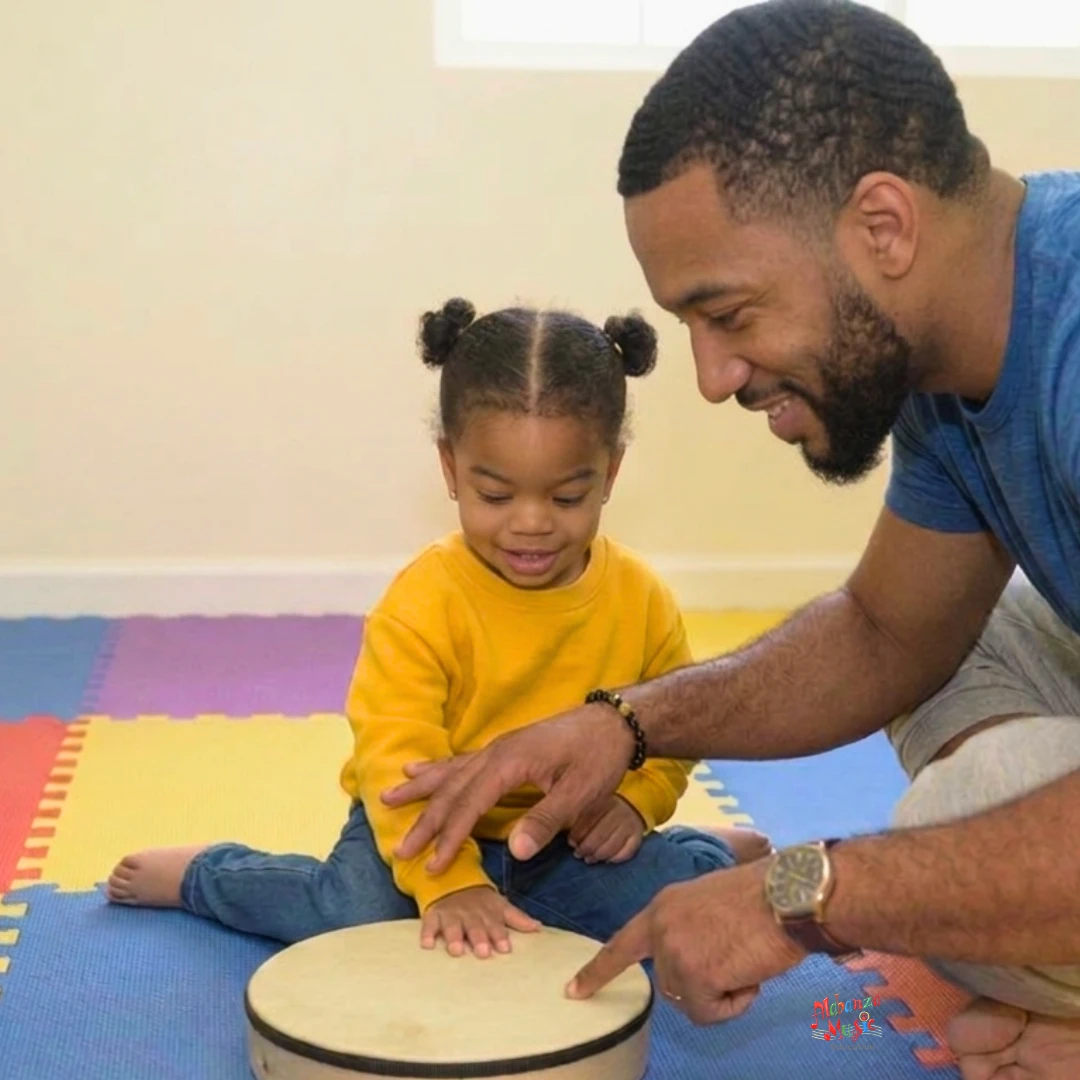
Babies explore simple rhythm instruments and other age-appropriate resources through touch, sound, movement and sensory discovery.
Language is woven naturally into songs, rhymes and familiar musical routines that can continue into everyday family life.
Now see it in action
Watch the pace, participation, movement, listening and connection unfold in a real session.
What is being built underneath
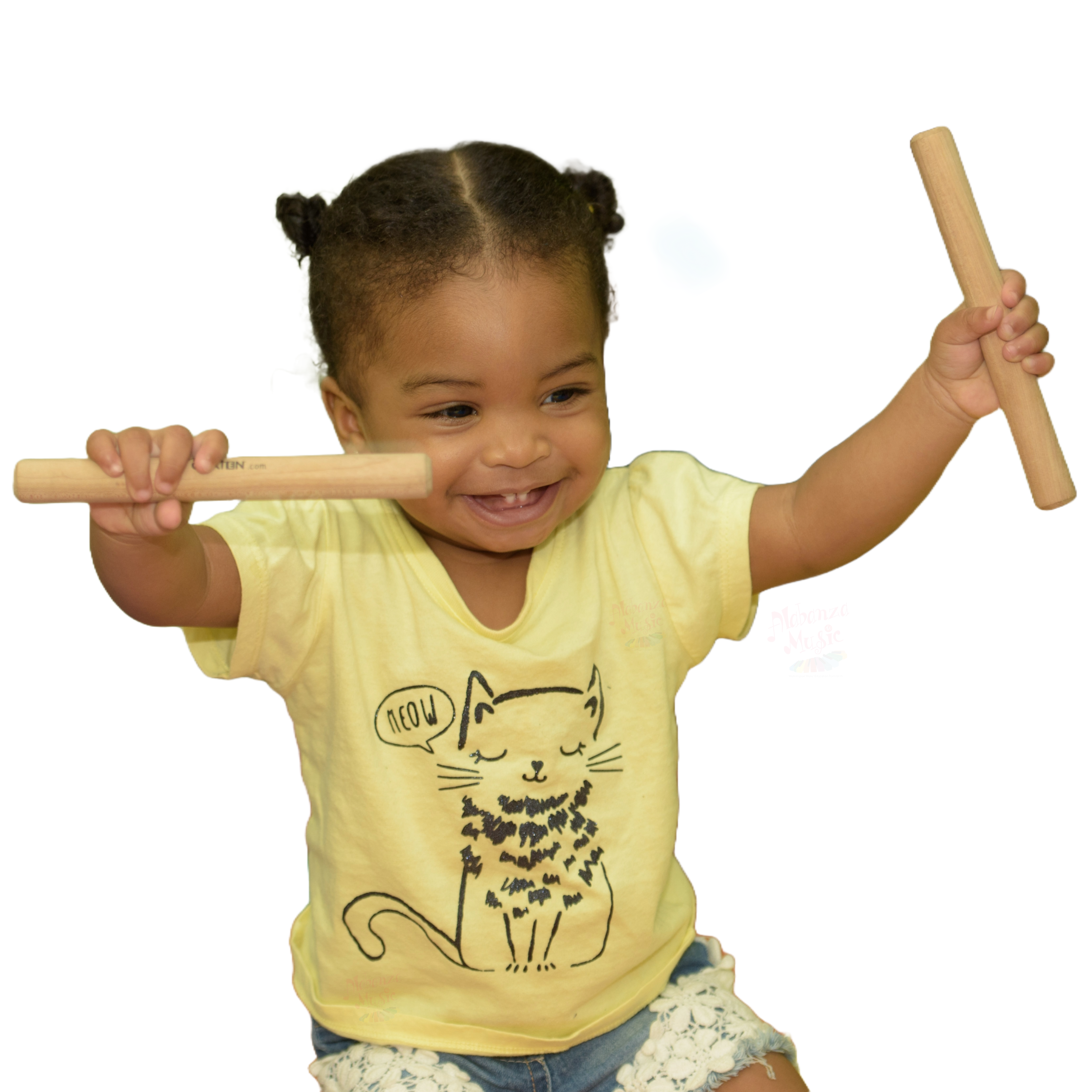
The class may feel playful, but underneath it your baby is practising important early skills that support development well beyond music.
 Alabanza MusicVersity
Listening, imitation and back-and-forth vocal play support the foundations of early communication.
Shared musical routines strengthen the relationship between baby and caregiver and help familiar interaction feel secure.
Rocking, steady beat and body-based movement support coordination, body awareness and self-regulation.
Songs and rhymes expose babies to varied speech sounds, rhythm and patterns, including multilingual sound play.
Repeated experiences with beat, pitch, listening and musical pattern build foundations that can grow with your child.
Ready to experience Bouncing Bambinos with your baby?
Where your baby is on the journey
Bambinos begins the pathway, which can continue through toddlerhood, preschool, piano, voice and later musicianship.
The MusicVersity year
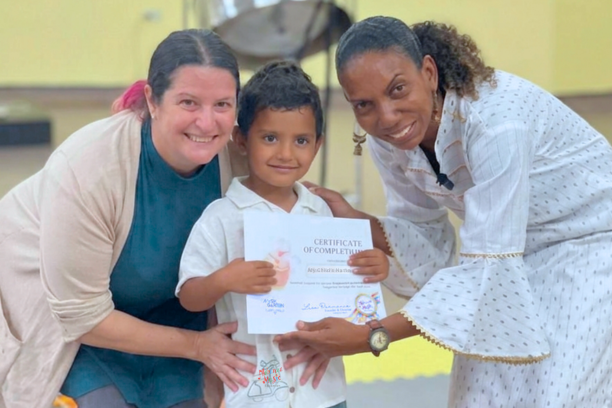
Each semester builds on the last, leading to Graduation & Certification at the end of the MusicVersity year.
 Alabanza MusicVersity
Azzie at age 3 receiving his official Musikgarten® Certificate of Completion after completing the MusicVersity year.
As the licensed Musikgarten® provider in Trinidad & Tobago, we are authorised to award the official Certificate of Completion to children who complete the full MusicVersity year across all three semesters.
This is what progression looks like. Azzie began young, kept building through the year, and at age 3 reached his Graduation & Certification milestone.
Start now and keep building as your child grows.
Ready to begin?
Begin with the introductory option that fits your family, then decide whether you want to continue into the full programme.
 Alabanza MusicVersity
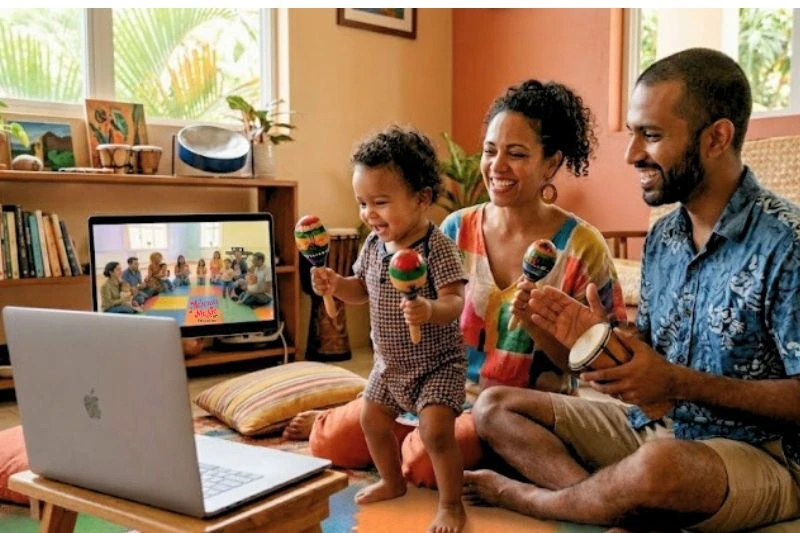
Live Online
A live, interactive parent-child experience for families in Trinidad & Tobago and internationally, bringing music, multilingualism and movement into your home in real time.
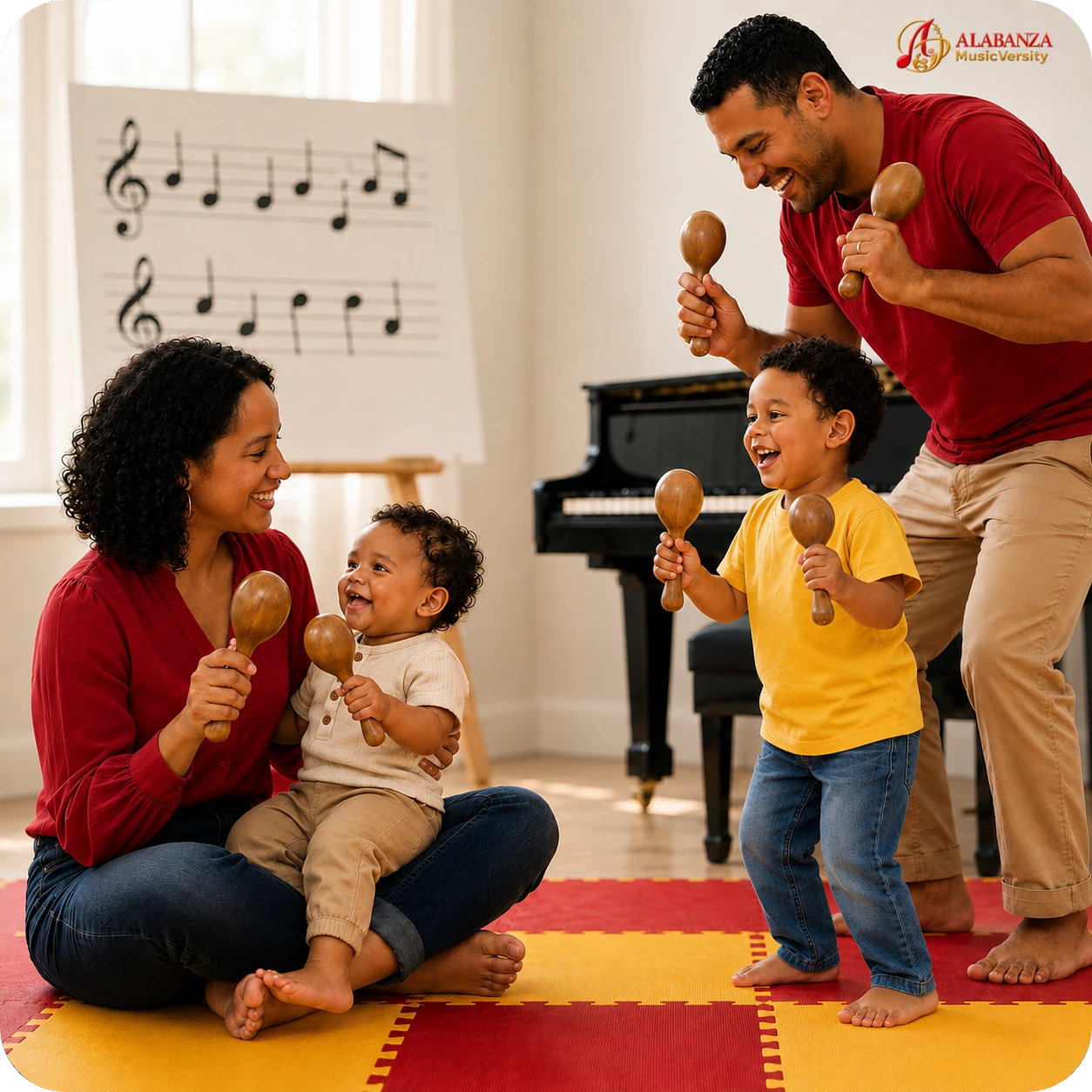
Two Guided Sessions
Two guided sessions inside the real programme.
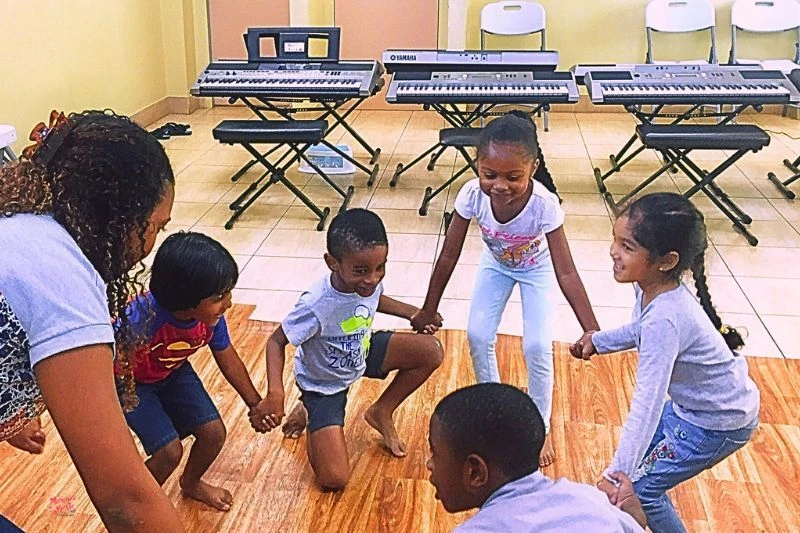
September–October Foundation
A fuller in-person start for families ready to begin with momentum.
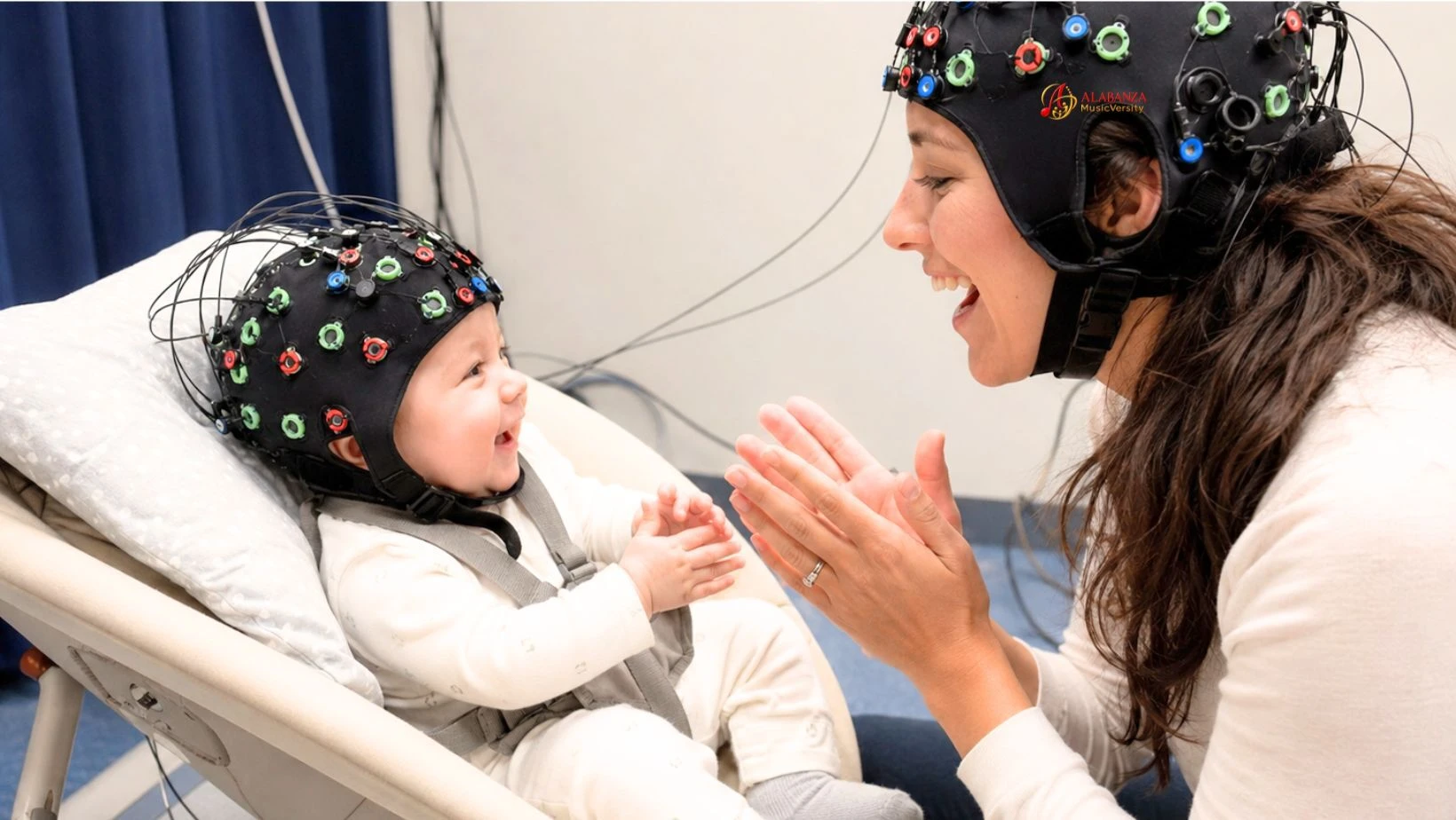
What looks like play can be serious brain work.
 Alabanza MusicVersity
NOT OUR OPINION. PEER-REVIEWED SCIENCE.
Long before a child can read music or play an instrument, the developing brain is already responding to rhythm, pattern, musical interaction and language.
In a 2026 brain-imaging study of babies just 0–5 days old, newborns showed stronger responses to both song and speech than to humming. Their brains processed song in strikingly similar ways to speech, suggesting that singing may already be meaningful for early speech perception and language development.
Communications Psychology · Newborn brain-imaging study · 2026
Infants in active participatory music showed stronger prelinguistic communication and social development than infants receiving passive music exposure.
Developmental Science · 2012
After 12 structured music sessions, infants showed stronger neural responses to timing patterns in both music and speech.
PNAS · University of Washington · 2016
A 2025 brain-imaging study found that bilingual 4-month-olds already showed distinct patterns of speech processing, evidence that early bilingual experience was shaping the neural mechanisms involved in processing speech.
Developmental Science · Bilingual infant brain-imaging study · 2025
Meet the specialist guiding your baby
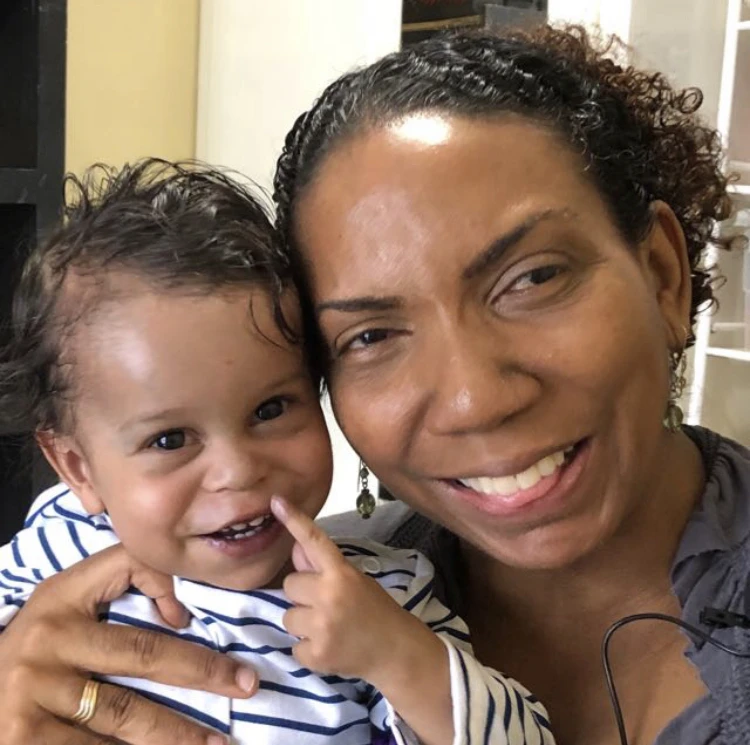
Founder & Director, Alabanza MusicVersity
Ms Lisa is a USA Board-Certified Early Childhood Music & Movement Specialist, licensed Musikgarten® educator and multilingual music educator with more than 20 years in education.
When children are this young, the goal is not performance. It is understanding how babies learn now, then using developmentally appropriate music, movement and interaction to build foundations that can grow.
Meet Ms Lisa & our team →Real family proof
The strongest proof is what families begin noticing in everyday life.
“It was a way to bond with him and to do something with him... to incorporate the music during the day-to-day with him.”Azzie's Mom · Bouncing Bambinos parent
“I like that she watches and focuses and listens... coming in every week is what I think made the difference.”Milan's Mom · Bouncing Bambinos parent
 Alabanza MusicVersity
The difference is what the experience is designed to build
If you only want something enjoyable to do with your baby, there are many options. If you want those early months to build communication, connection, regulation and real musical foundations, that is where Bouncing Bambinos is different.
Questions parents usually ask
No. Major speech-language authorities are clear that learning more than one language does not cause confusion, speech delay or a language disorder.
No. Multilingual children reach the same broad early communication milestones, although their words may be distributed across languages.
Language is woven naturally into songs, rhymes, greetings, vocal patterns and listening. This is meaningful early exposure, not a formal language lesson or vocabulary drill.
Not at all. You are guided in class and can continue communicating with your baby in the language or languages most natural to your family.
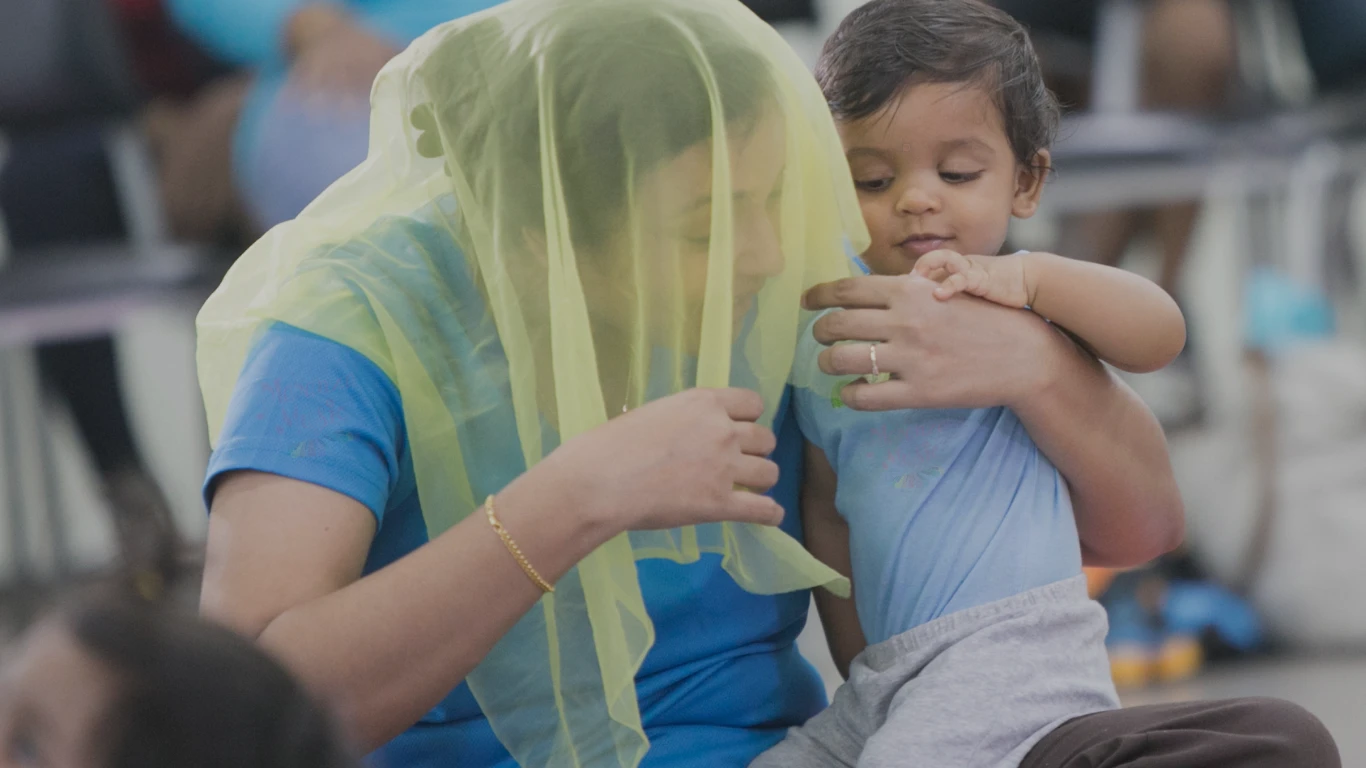
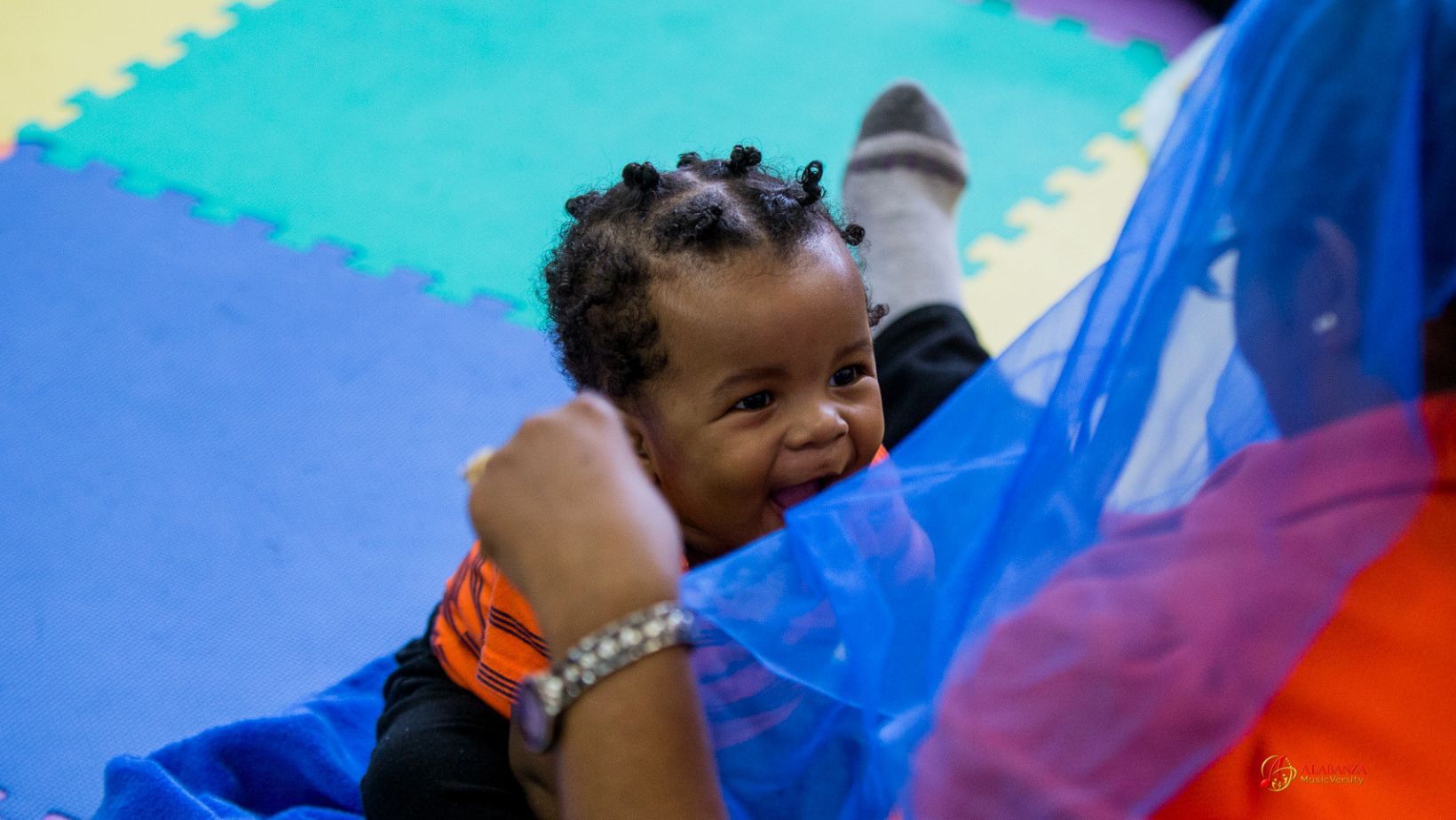
Babies listen, watch, vocalise, move, bounce, rock, explore safe instruments and scarves, experience steady beat and interact with their parent or caregiver.
It is a family music programme. Mum, Dad or another primary caregiver can participate with baby. The grown-up is an active learning partner, not a spectator.
No. Bouncing Bambinos begins from birth, and newborn babies 0–3 months entering through Ramajay are eligible for two bonus sessions.
Certainly. Children at this age can still join Bouncing Bambinos. However, if your schedule allows, we recommend considering Playful Piccolos, our toddler class, as it may be the better developmental fit for a very active 14-month-old. There is intentional overlap between the two programmes, so placement can be guided by where your child is developmentally.
Yes. Bouncing Bambinos follows the Musikgarten® Family Music for Babies curriculum. Exact resources may vary by curriculum cycle and booking option.
Choose the way you'd like to experience Bouncing Bambinos, then let the programme show you what can begin to grow from there.