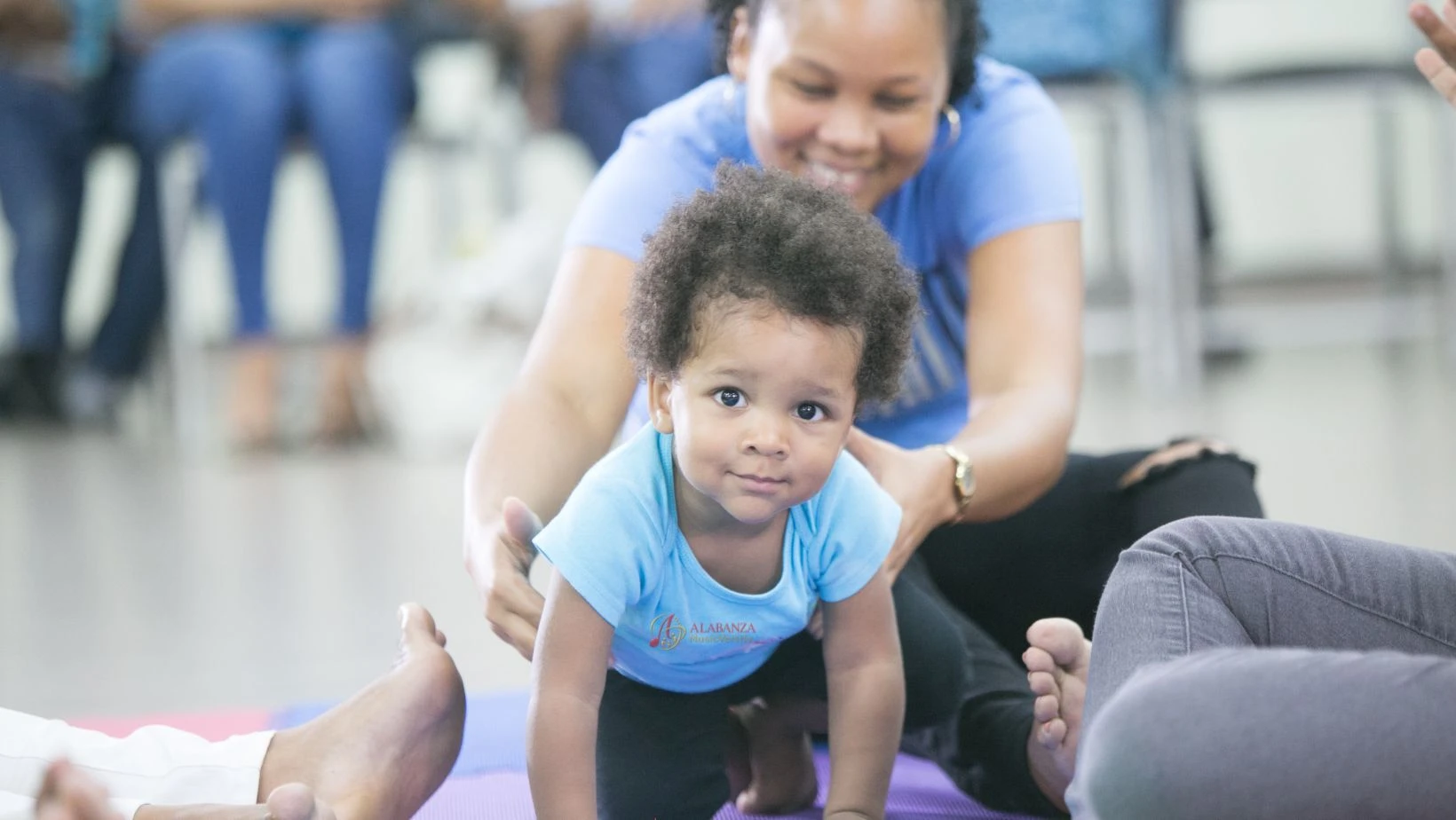
Always moving? Perfect.
Curious. Active. Becoming independent.
Music gives all that energy somewhere purposeful to go.

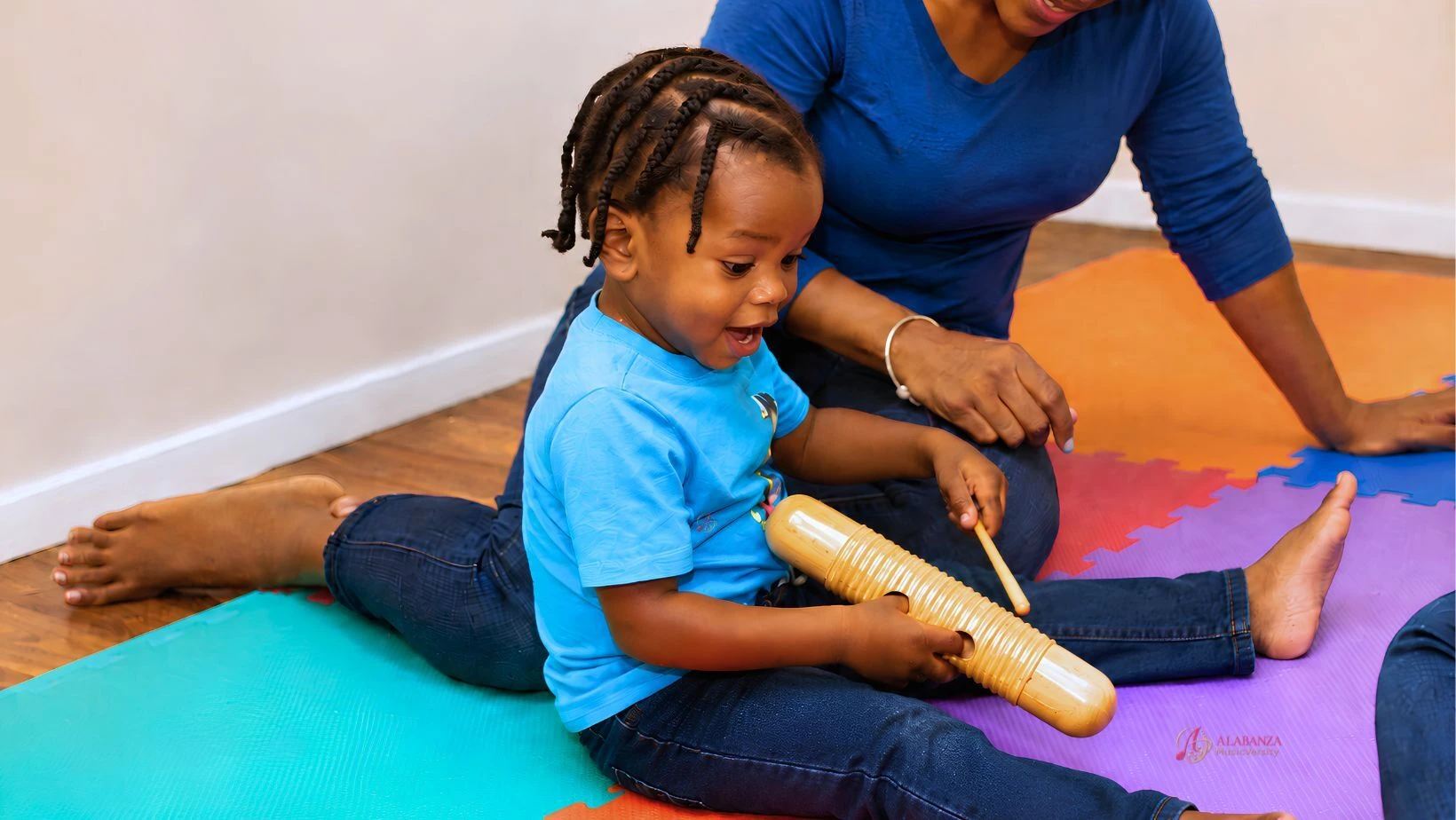
For busy toddlers growing in communication, coordination and confidence
International curriculum · delivered here
Playful Piccolos brings the international Musikgarten® toddler curriculum to families here in Trinidad & Tobago, using movement, listening, singing, rhythm and language in ways young children can carry into home life.
Who Playful Piccolos is for
At this age, movement, repetition and imitation are part of learning. Piccolos gives all that toddler energy a place to grow.
Music gives all that energy somewhere purposeful to go.
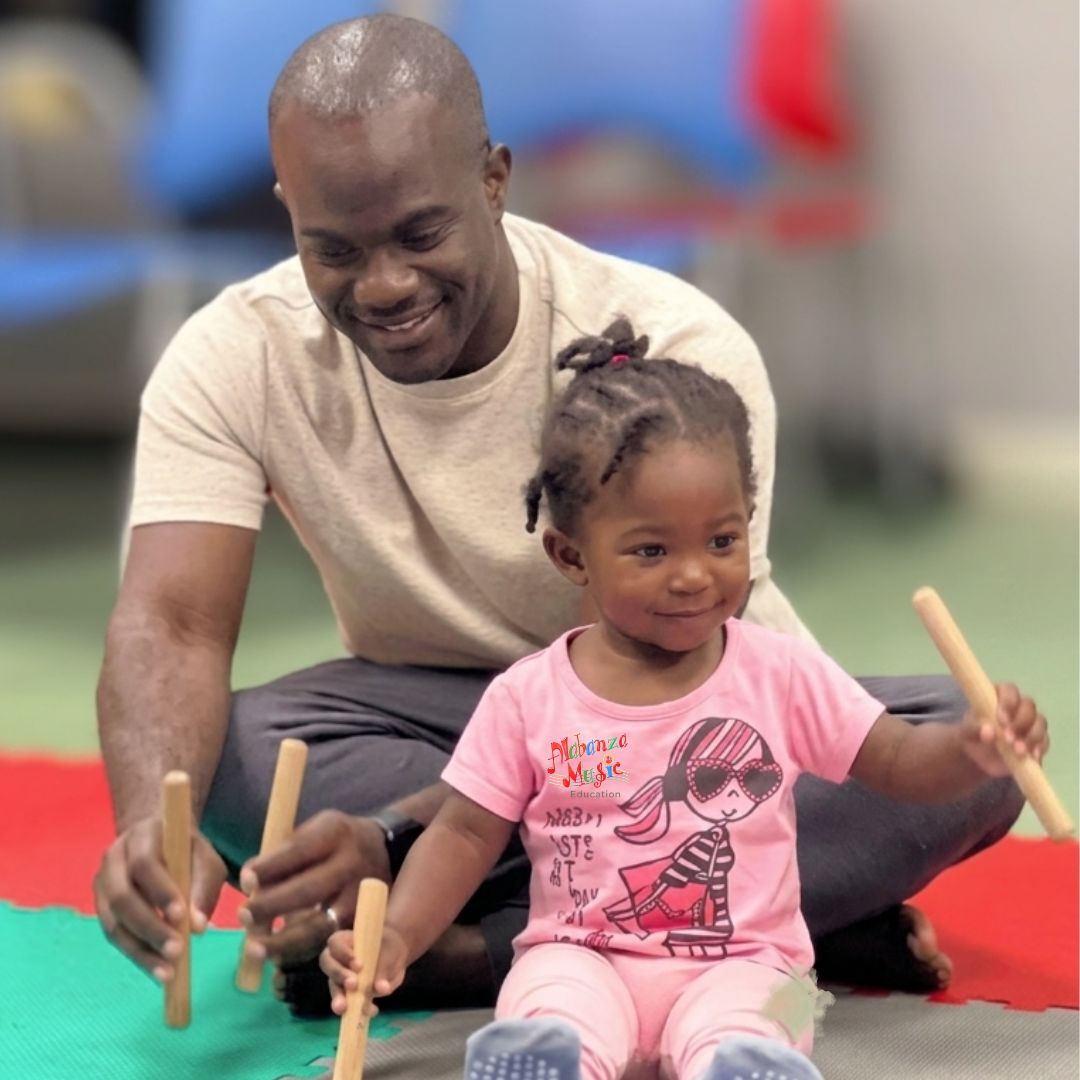
You model, move and make music together.
Music + movement + multilingual learning for toddlerhood
 MusicListening, singing, steady beat, musical memory and real musicianship foundations.
 MovementWhole-body learning that supports coordination, balance, timing, focus and growing self-control.
 MultilingualismSongs and rhymes that open the ear to varied speech sounds, languages and cultures through meaningful repetition.
Your toddler is learning to talk more, listen longer, move with control, wait, copy, choose and do more independently. Piccolos builds those skills through music and movement.
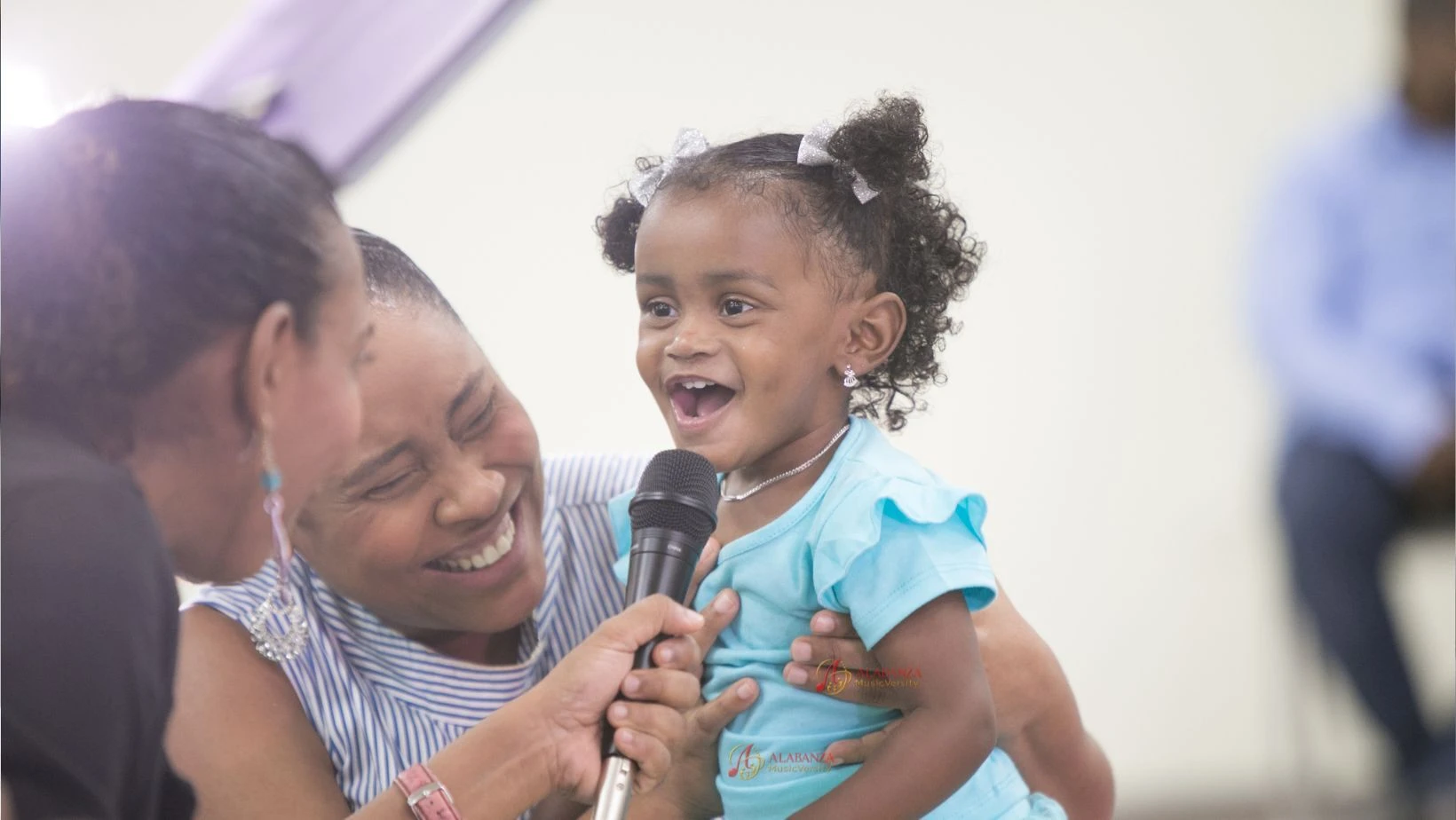
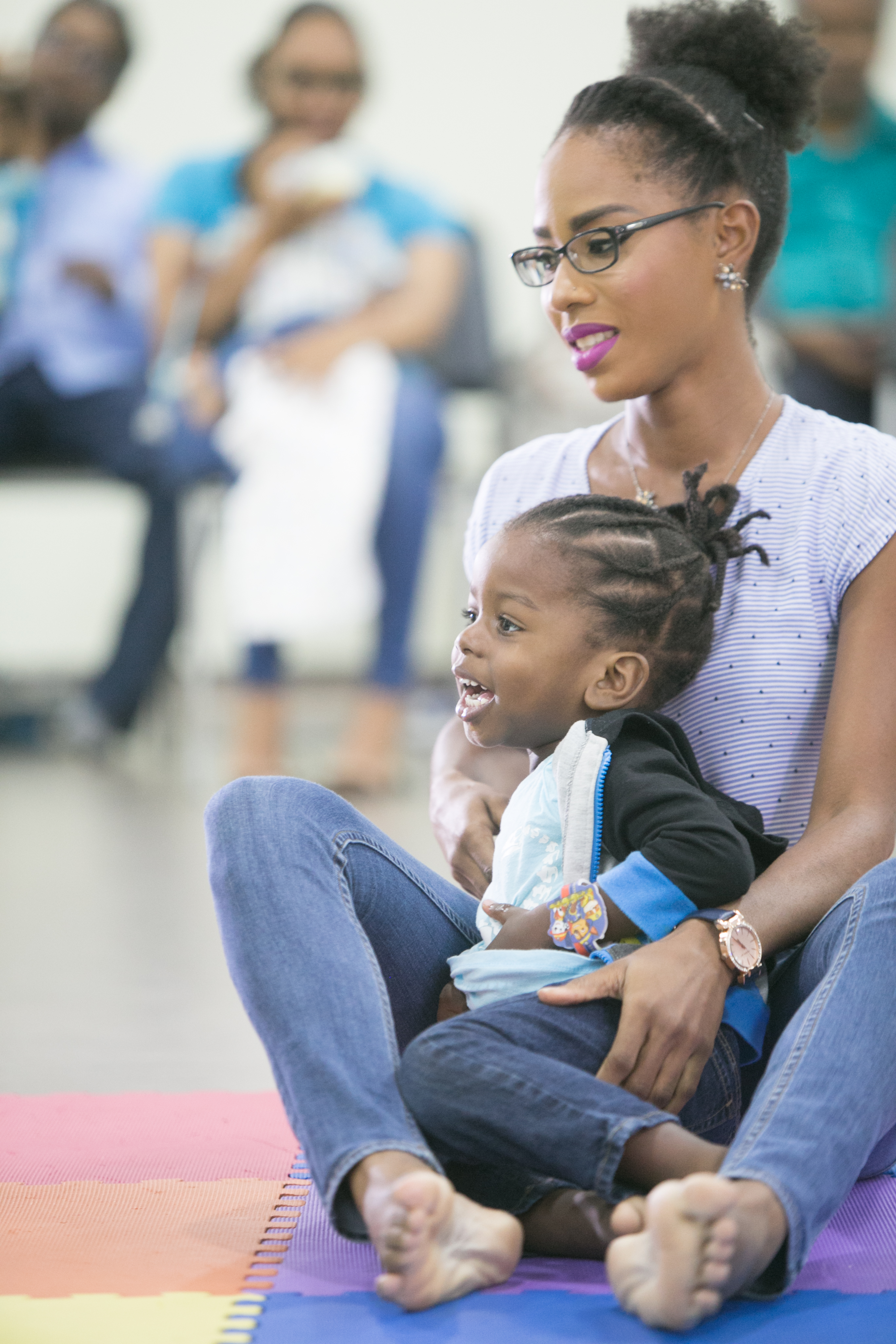
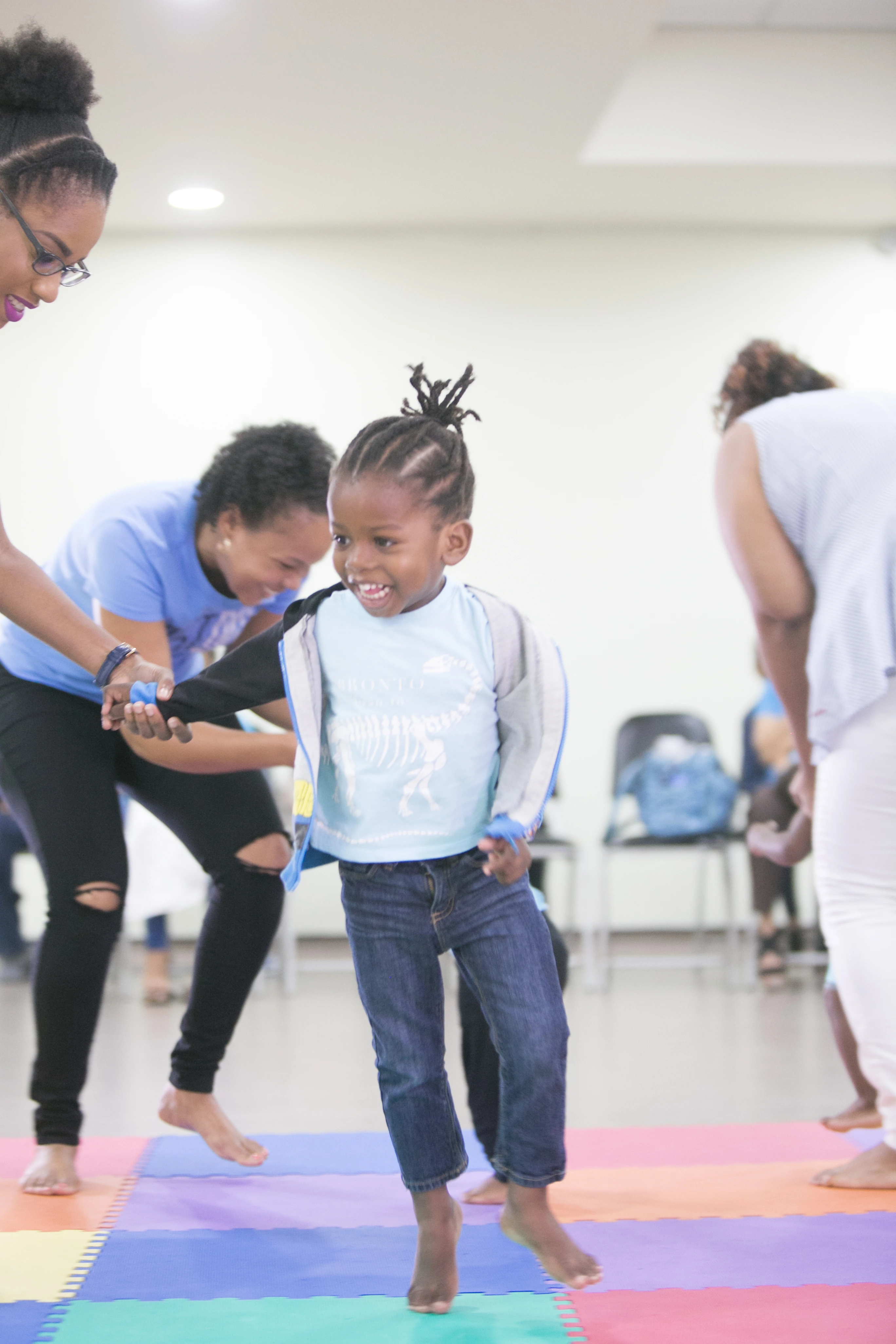
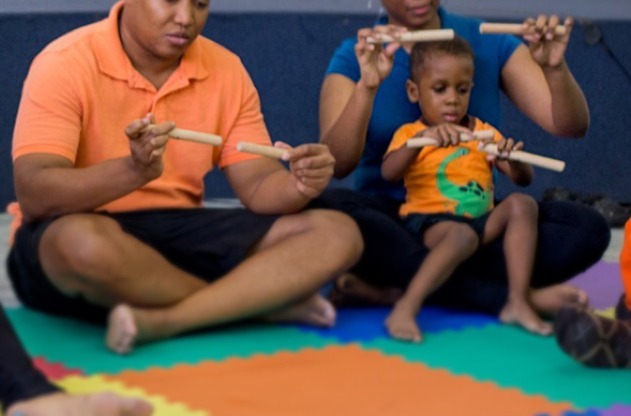
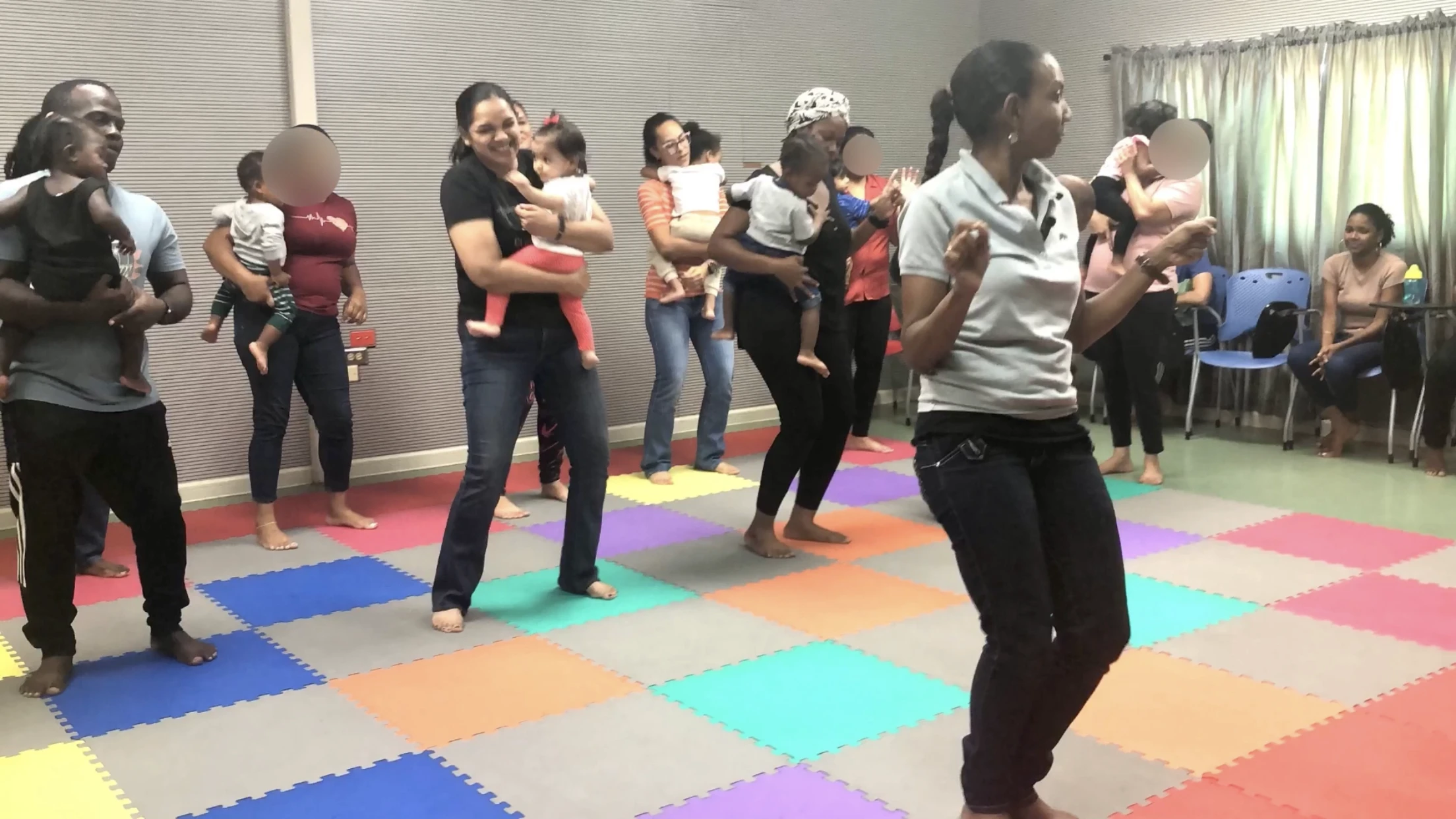
“She learned things musically and socially... waiting her turn, doing what is asked, following instructions.”
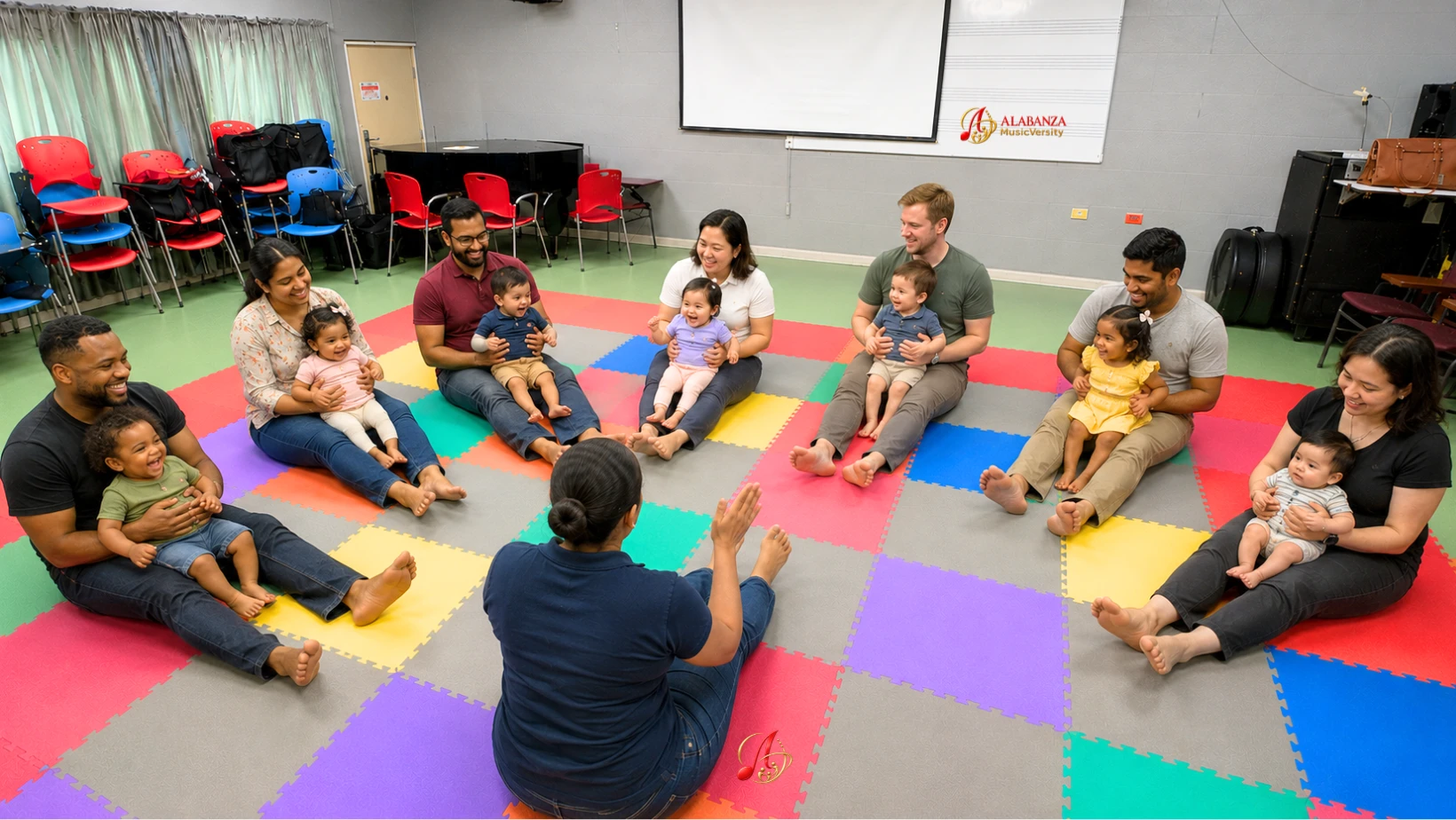
Inside a Playful Piccolos session
Sessions are short, active and built for toddler attention spans. One caregiver joins in as children sing, move, listen, copy and play together.
Songs, rhymes, call-and-response and repeated phrases support memory, vocabulary, vocal confidence and emerging communication.
Action songs, dancing, bouncing and travelling movement build balance, body awareness, timing and coordination.
Toddlers explore sound, beat, texture and simple musical choices in ways that strengthen coordination, curiosity and purposeful participation.
Toddlers practise starting and stopping, taking turns, waiting briefly, following musical cues and participating alongside other children.
What we are building at this stage
This is where parents often notice the difference: more words, stronger listening, growing confidence and more independence showing up at home and as preschool approaches.
“The words she could identify way beyond her age.” Ronald A. · Dad, daughter began as a toddler
Songs, repetition, gesture and musical conversation support understanding, expressive language and the confidence to communicate.
Predictable routines give toddlers safe chances to participate, choose, imitate, lead and complete more for themselves.
Musical stop-start games, waiting, listening and movement cues give toddlers repeated practice with attention and impulse control.
Beat, action songs and instrument play strengthen body awareness, timing, bilateral coordination and fine-motor control.
Children build an ear for beat, pitch, pattern and musical form before formal instrument study begins.
Where your toddler is on the journey
Piccolos is an early step in a pathway that can continue through preschool, piano, voice and later musicianship.
The MusicVersity year
Each semester builds on the last, leading to Graduation & Certification at the end of the MusicVersity year.
Ready to experience Playful Piccolos with your toddler?
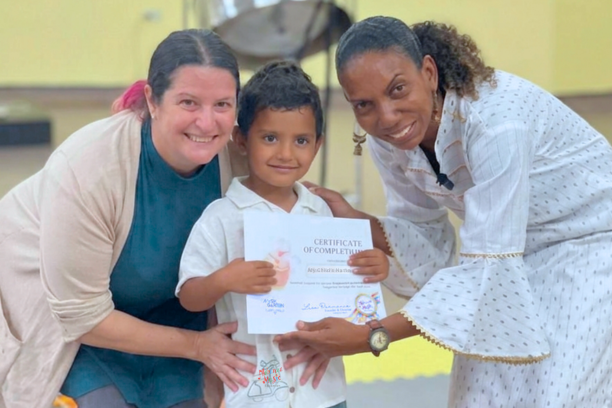
Azlan receiving a Musikgarten Certificate of Completion at Alabanza MusicVersity Graduation
As the licensed Musikgarten® provider in Trinidad & Tobago, Alabanza MusicVersity is authorised to award the official Certificate of Completion to children who complete the full MusicVersity year across all three semesters.
This is more than a stand-alone activity. Your toddler can begin here and keep building through the MusicVersity pathway.
Start now and keep building as your child grows.
Ready to begin?
Choose the way that works for your family and experience the real programme first.
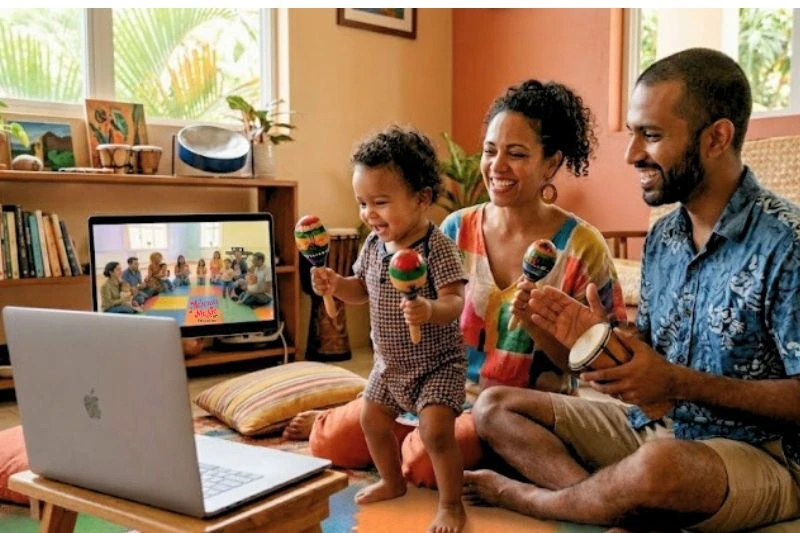
Live Online
A live parent-toddler session you can join from home.
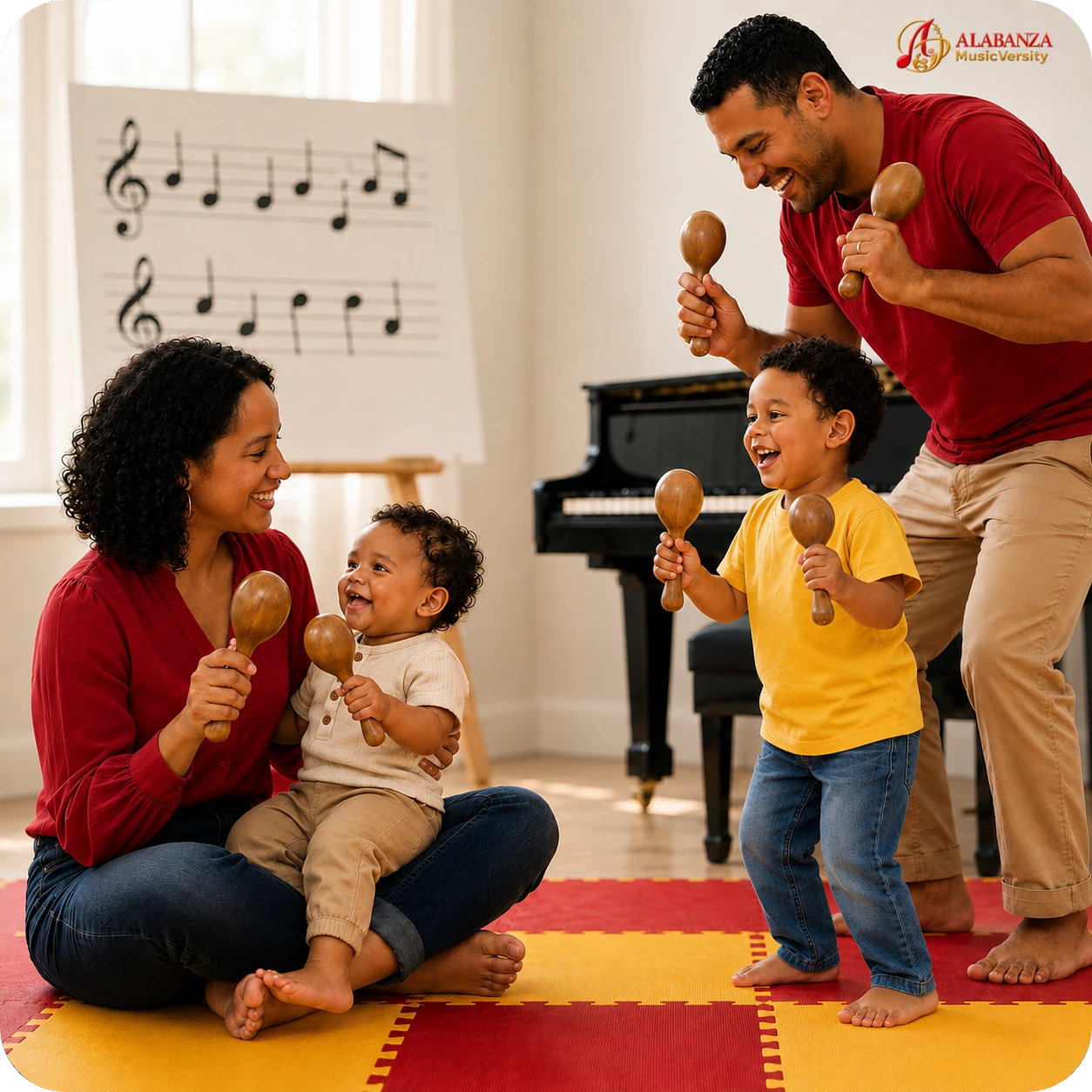
Two Guided Sessions
Two guided sessions inside the real programme.
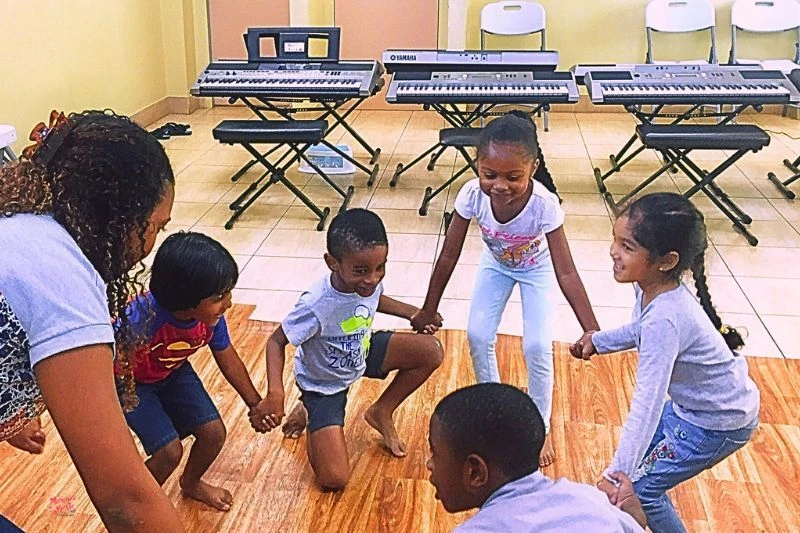
September–October Foundation
A fuller in-person start for families ready to begin with momentum.

TODDLER-SPECIFIC RESEARCH
Toddlers learn by moving, repeating, listening and connecting with people. Research helps explain why those experiences matter.
In one study, 14-month-olds moved in rhythm with an adult while music played. Afterwards, they were more likely to help that same adult. It is one example of how shared rhythm and movement can support connection at this age.
Philosophical Transactions of the Royal Society B · Cirelli et al. · 2014
Researchers found that bilingual and trilingual toddlers knew more words in the languages they heard more often. Regular, meaningful exposure helps each language grow.
Journal of Child Language · Côté, Gonzalez-Barrero & Byers-Heinlein · 2022
In one study, 3–4-year-olds who took weekly music classes improved on some planning and self-control tasks. Music gives young children many chances to listen, stop, start, remember and follow a sequence.
Frontiers in Psychology · Bowmer et al. · 2018
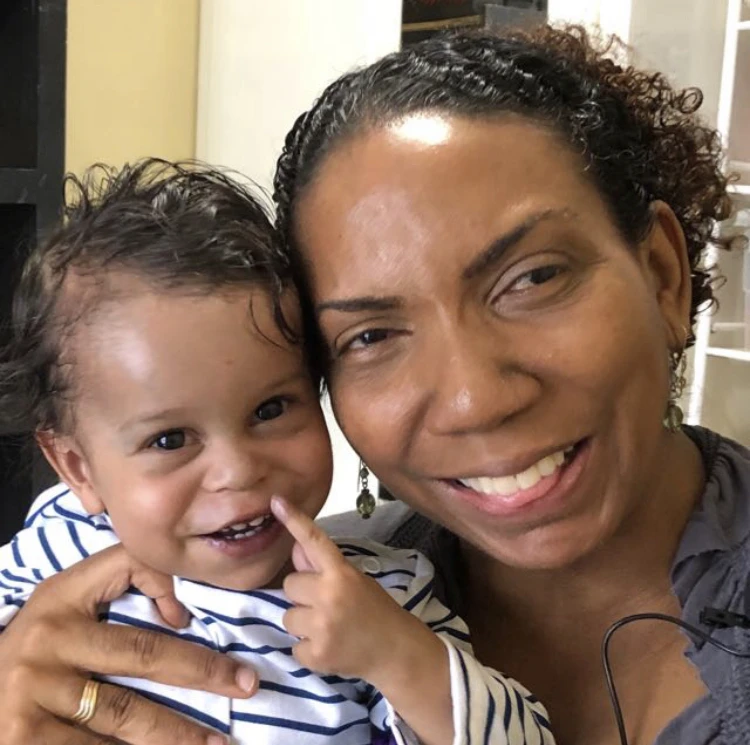
Meet the specialist guiding your toddler
Founder & Director, Alabanza MusicVersity
Ms Lisa is a USA Board-Certified Early Childhood Music & Movement Specialist, licensed Musikgarten® educator and multilingual music educator with more than 20 years in education.
At this age, children learn through movement, repetition, relationship and play. Ms Lisa uses developmentally appropriate music experiences to help those early skills grow with purpose.
Meet Ms Lisa & our team →Real toddler-family proof
Parents often notice it first at home: what their child remembers, repeats, says, sings and tries to do independently.
“She learned things musically and socially... waiting her turn, doing what is asked, following instructions.”Thalia’s Mom · Playful Piccolos parent
“What she does here in class, she remembers. She would take the pens and play them together like the sticks and she gives me a beat.”Aurelia’s Mom · Playful Piccolos parent
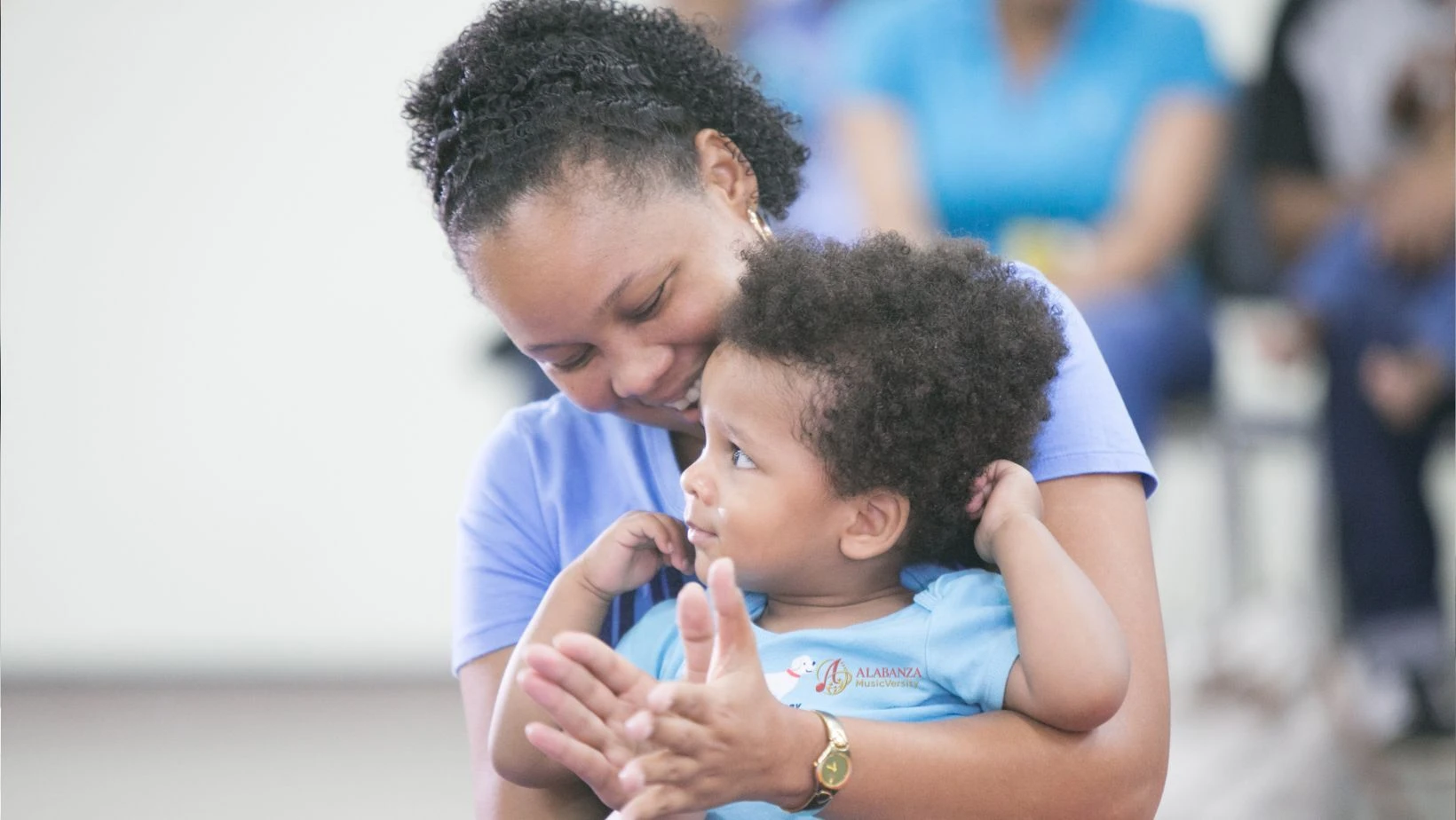
The difference is what the experience is designed to build
There are plenty of fun activities for toddlers. Piccolos is for families who also want that time to build listening, communication, confidence and real musical foundations.
Questions parents usually ask
Not at all. Toddlers learn through movement. We use that movement to practise listening, stopping, starting, waiting and joining in.
No. Children enter at different communication stages. Songs, gesture, repetition and vocal play allow children to participate before, during and after the explosion of spoken language.
No. Multilingual exposure does not cause language confusion. In Piccolos, languages are woven naturally into songs, greetings, rhymes and musical play.
Toddlers sing, move, dance, listen, explore rhythm instruments, play musical games, practise simple routines and participate alongside one caregiver.
No. Play is how toddlers learn, but the programme is structured and sequential. The fun has a purpose.
Yes. One caregiver participates throughout. Your modelling, shared movement and musical interaction are part of the learning at this stage.
Yes. Playful Piccolos follows the Musikgarten® Family Music curriculum. Exact home resources vary by curriculum cycle and booking option.
Possibly. Placement is reviewed based on programme readiness and availability. Children who are developmentally ready for the preschool stage may be better suited to Active Allegros.
Start inside the real Playful Piccolos programme, experience the approach for yourself, then decide whether this is the developmental pathway you want to keep building.