
"The words she could identify way beyond her age."Ronald A. · Alabanza parent, almost 2 years in

Multilingual Music & Movement for babies, toddlers, preschoolers & school-age children
A focused learner. A confident communicator. A child who thinks deeply, truly listens, connects and creates.
In-person & online
More than one language, from the very beginning.
Our Signature Approach
Music. Movement. Multilingualism.
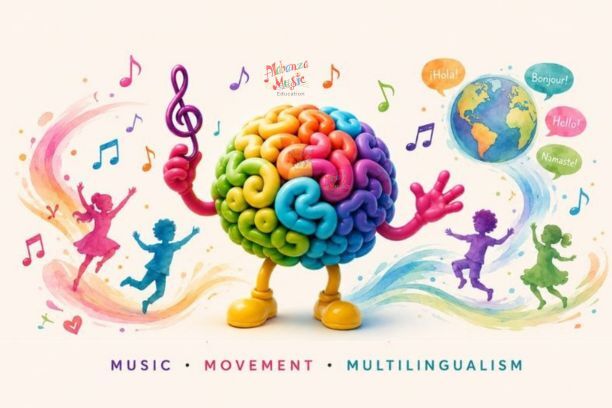
Through our proprietary blend of music, movement and multilingualism, we nurture the abilities that begin to show up early: how children communicate, think, connect, manage themselves and step forward with confidence.
Why MusicVersity Is Different
Because we’re not here to train musical robots.
A child can learn to copy a tune, keep a rhythm or perform on cue.
If you’re the parent that wants more than that, you’re in the right place.
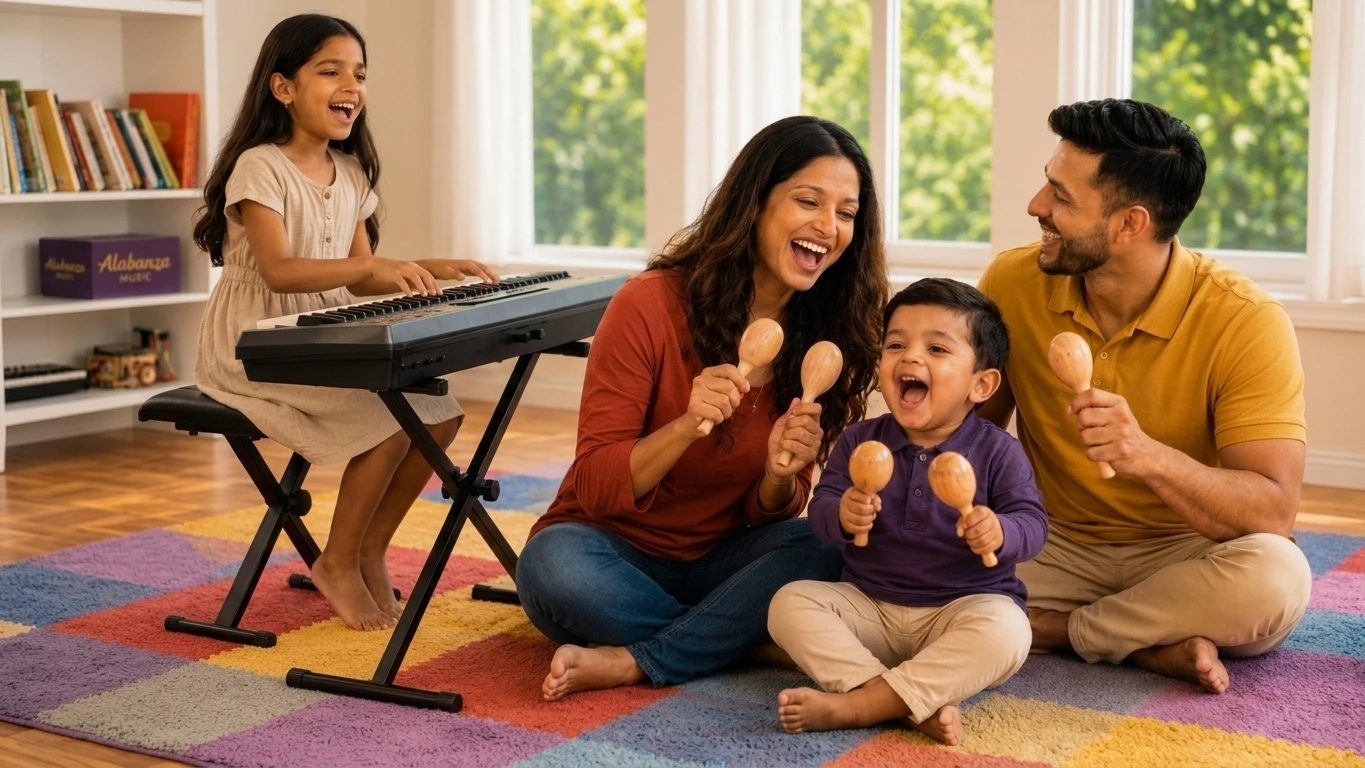
We bring the neuroscience of music together with movement and multiple languages so children can listen, think, connect, move, remember, create and eventually make music for themselves.
Our difference is the TocoPanyol Method™. Instead of treating music, movement and language as separate extras, we build all three into one developmental pathway from birth.
This is brain-based music education. Informed by neuroscience, we focus on what is developing underneath the performance, not only what you can see on the outside. We also help you understand what is happening so you know how to support that growth beyond the class.

Our International Foundation
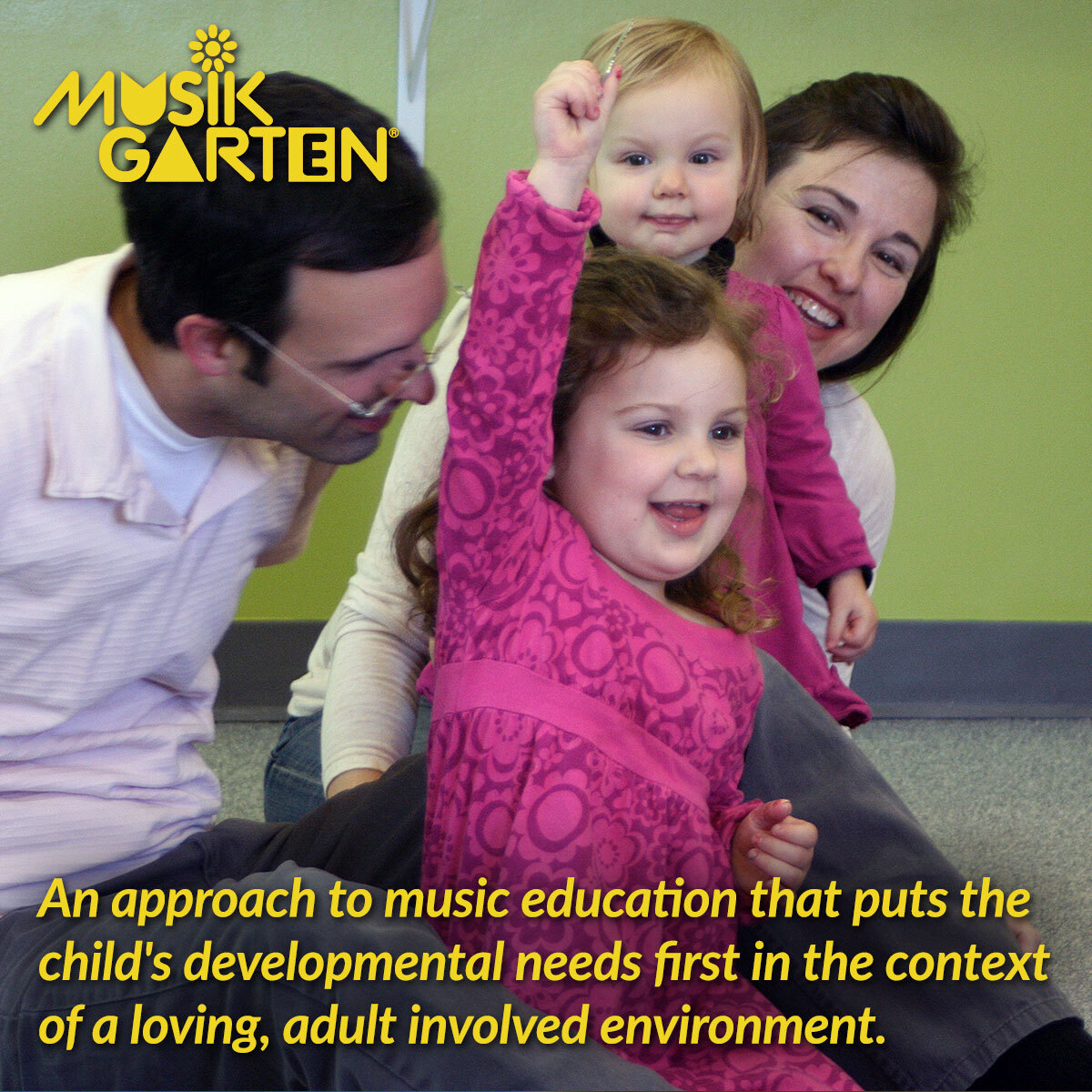
Musikgarten® is an internationally established music and movement curriculum with a multi-year sequence that grows from the earliest years into school-age musicianship.
It is not simply a collection of songs or a one-off activity class. The learning is designed to progress, so each stage prepares children for what comes next.
Parent Perspectives
YOUR FIRST STEP · RAMAJAY INTRODUCTORY EXPERIENCE
YOUR CORE EXPERIENCE
BONUSES INCLUDED
Understand more of the brain-based learning behind the activities and what to reinforce at home.
After your Introductory Experience, connect one-to-one with our Specialist for a brief Zoom guidance call. We’ll look at what you noticed, identify routines or specific areas where your child may need more support, and give you practical next steps you can use at home. Only 5 calls available each week.
After Ramajay, share an honest post-experience review with other families and receive one bonus MusicVersity session, in person or online.
See current schedules and choose your session immediately. No waiting for a callback.
If your first session isn’t the right fit for your child, get a 100% refund, less the TT$100 (US$16) administrative fee.
Brain-Based Music Education · Informed by Neuroscience
The performance matters. So does everything developing underneath it.
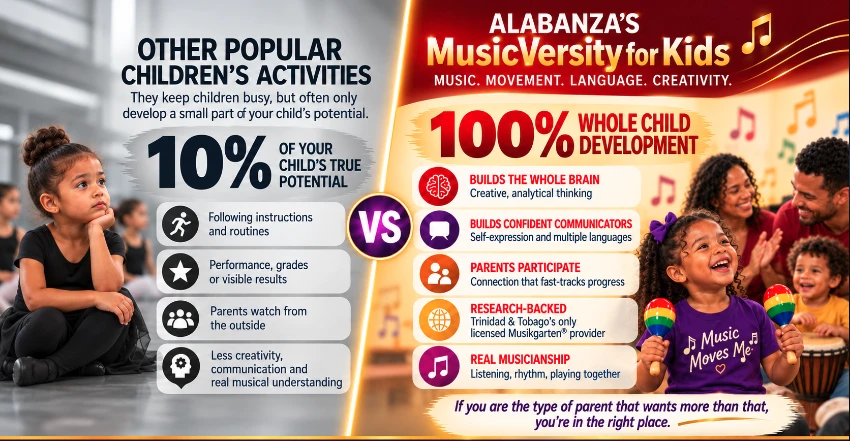
The 10% is what you can see: the song, the instrument, the performance. We also develop the listening, focus, coordination, language, memory, self-regulation and creative thinking underneath it, so we are working with the full 100% of your child.
Those capacities do more than build musicians. They shape how your child listens, learns, communicates, adapts and creates.
We explain what is happening developmentally, what to notice, and how to support it at home. You are not simply watching an activity. You are learning how to strengthen the brain and body behind the behaviour.
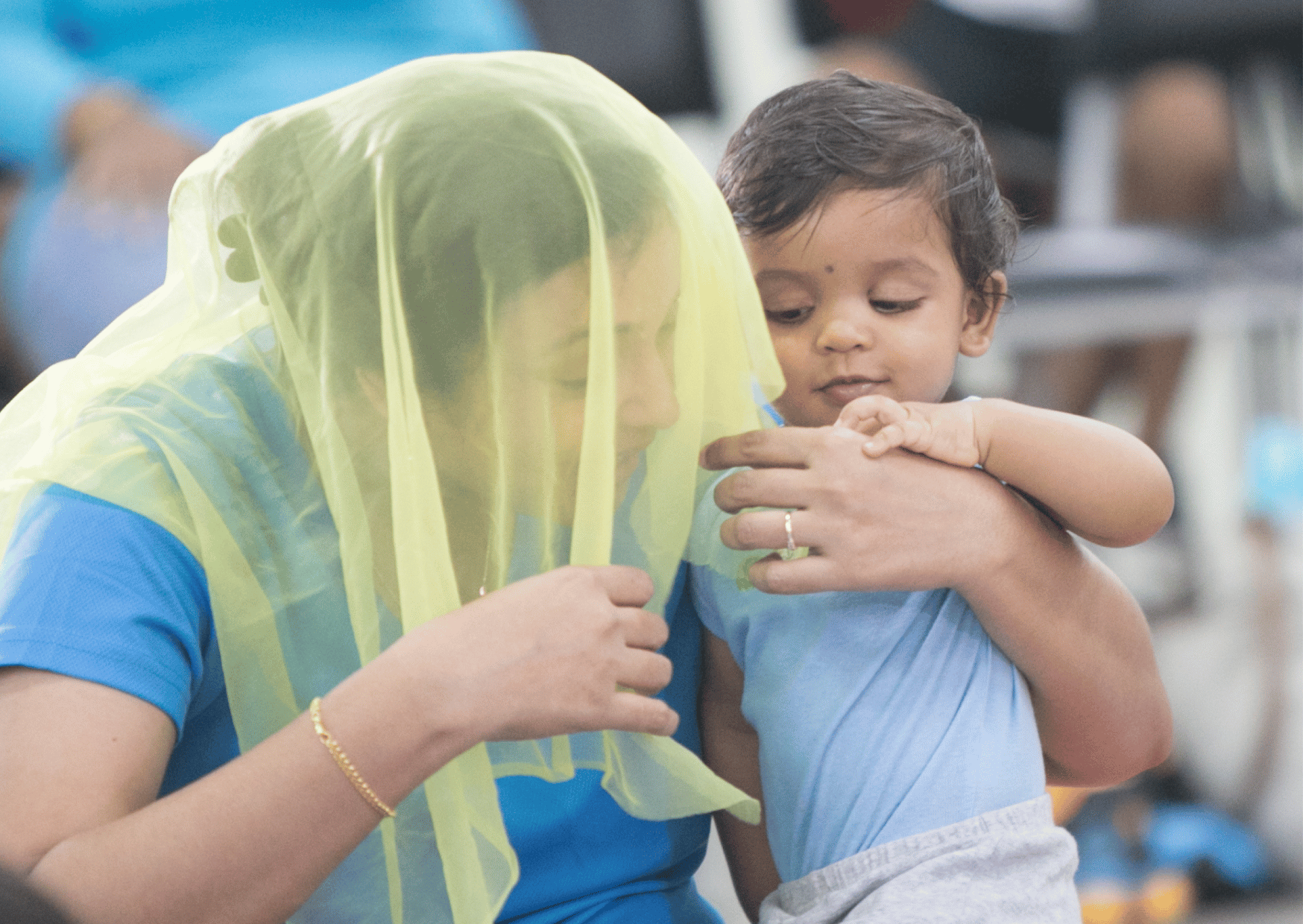
Begin with two guided in-person sessions.
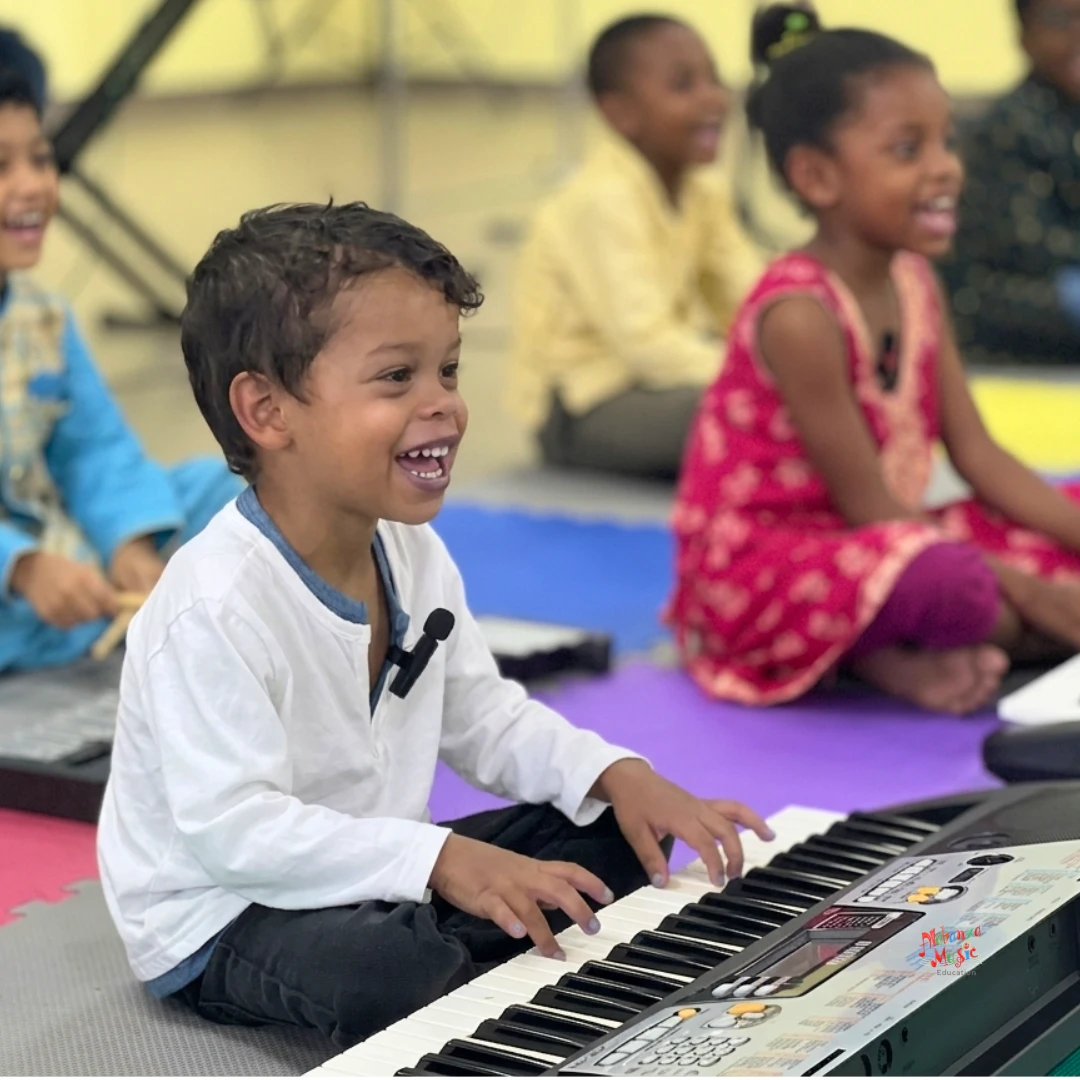
Then We Make It Ours
We choose a wider world.
Classical music has its place, but it is not the finish line. Our children travel through folk and traditional music from around the world, while developing a strong connection to the rhythms, languages and musical traditions of our Caribbean and Latin American heritage.
The MusicVersity Pathway
From birth through the school years, each programme has a different developmental job. The short descriptions help you quickly see where your child fits.
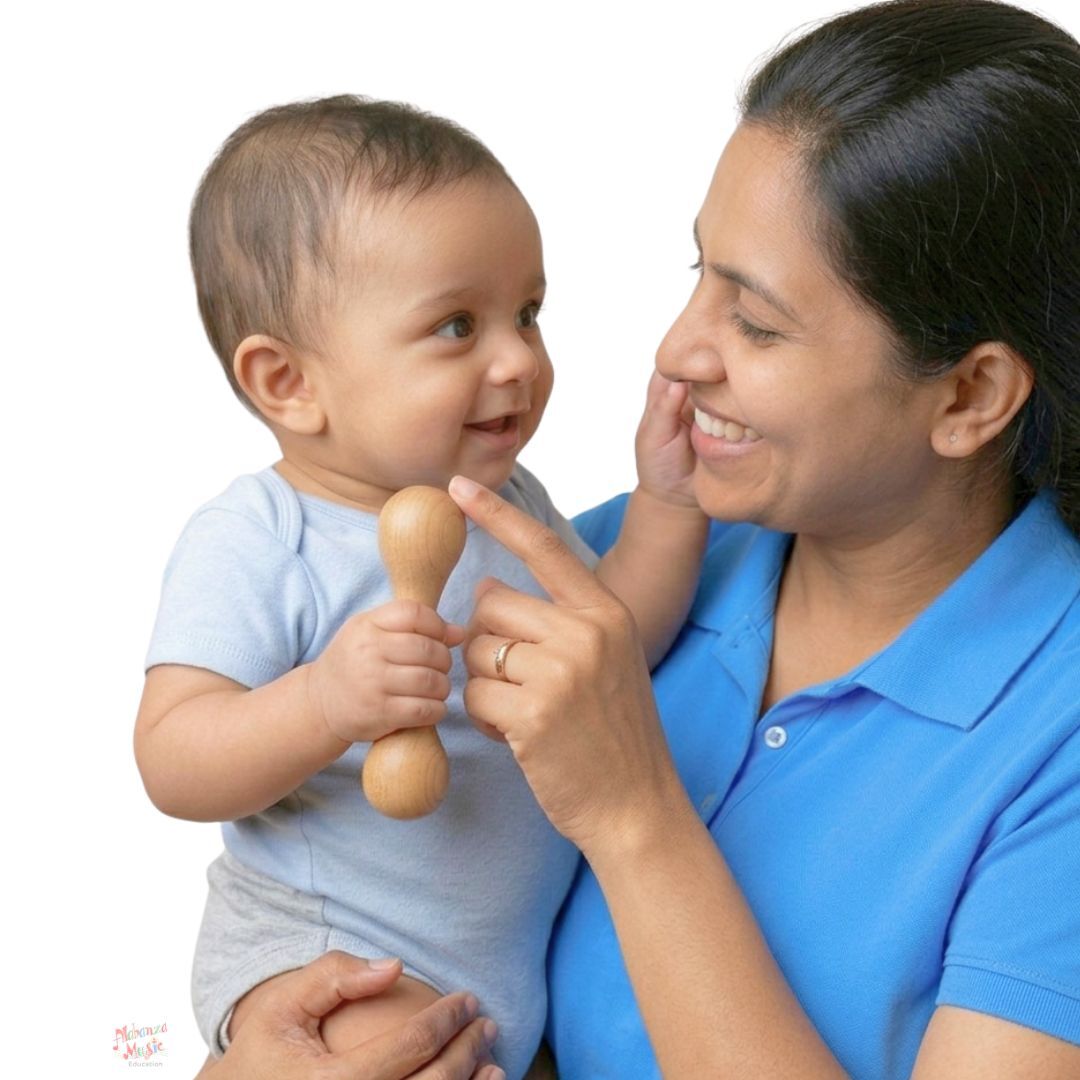
Builds early listening, rhythm, language and bonding before a single word is spoken.
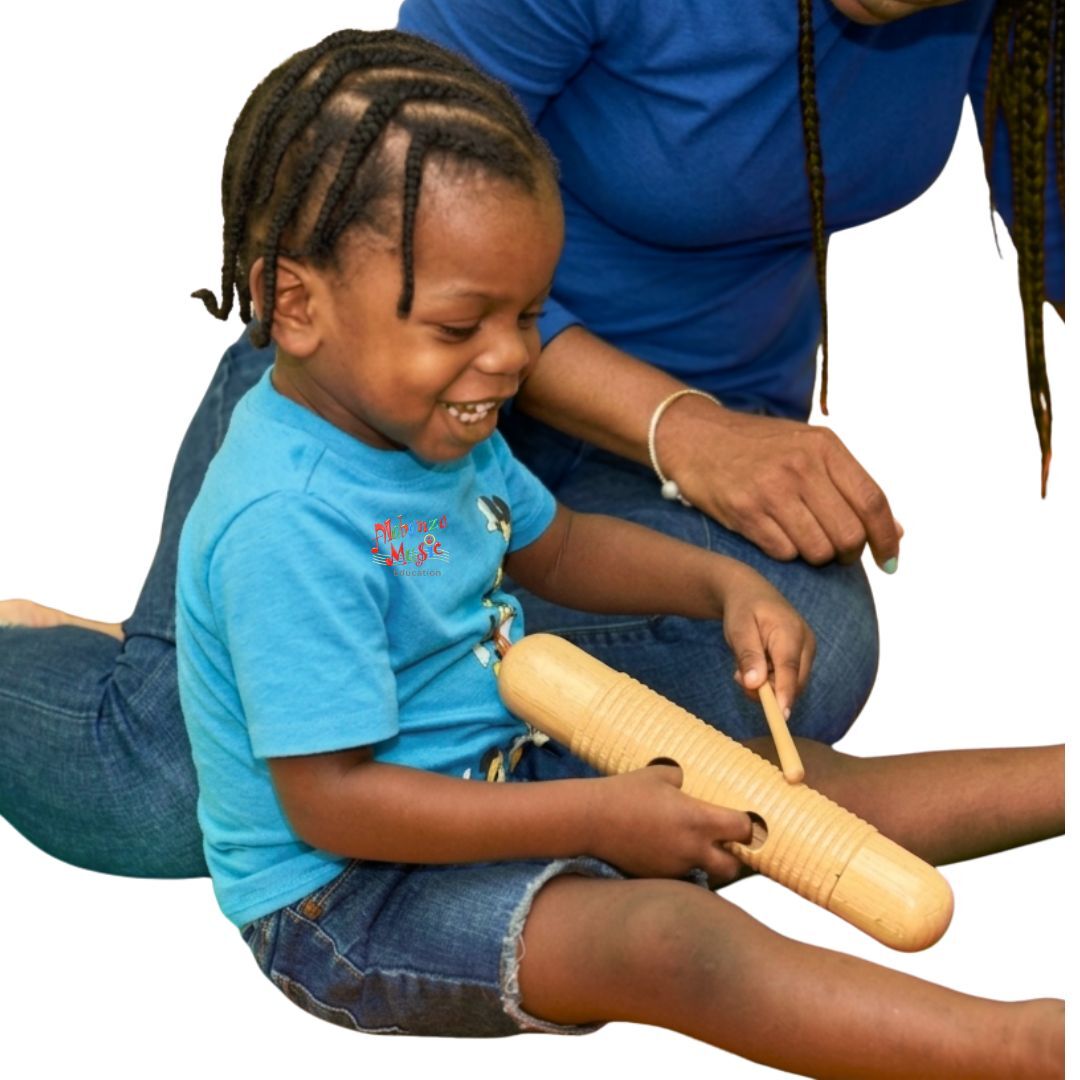
Musical play builds listening, coordination, early speech and growing independence.
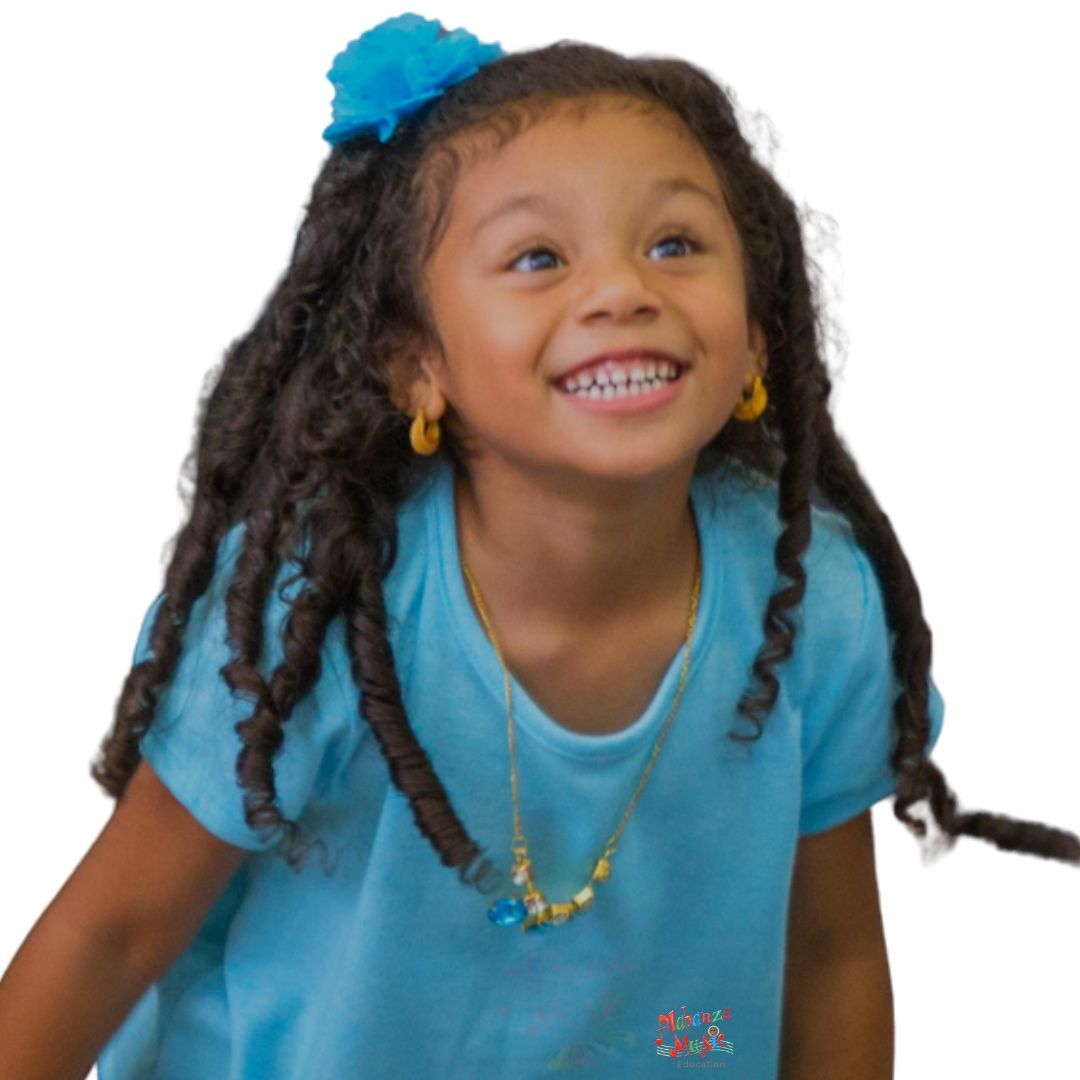
Music and movement build phonemic awareness, focus, self-control and school-readiness skills.

Perfect for families with one child or siblings, cousins or friends attending together.
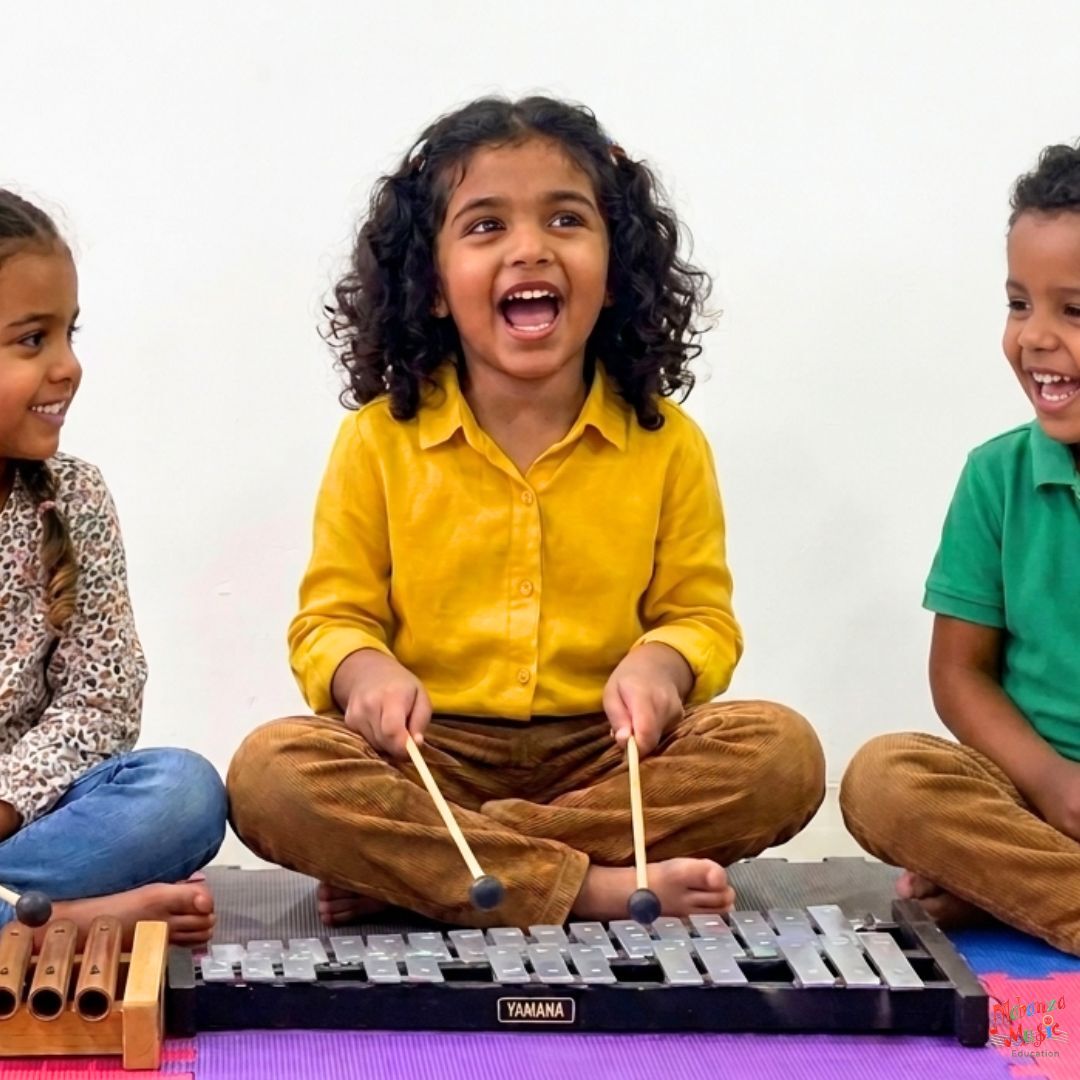
Notation, instruments and performance begin while listening, coordination and musical thinking stay at the centre.
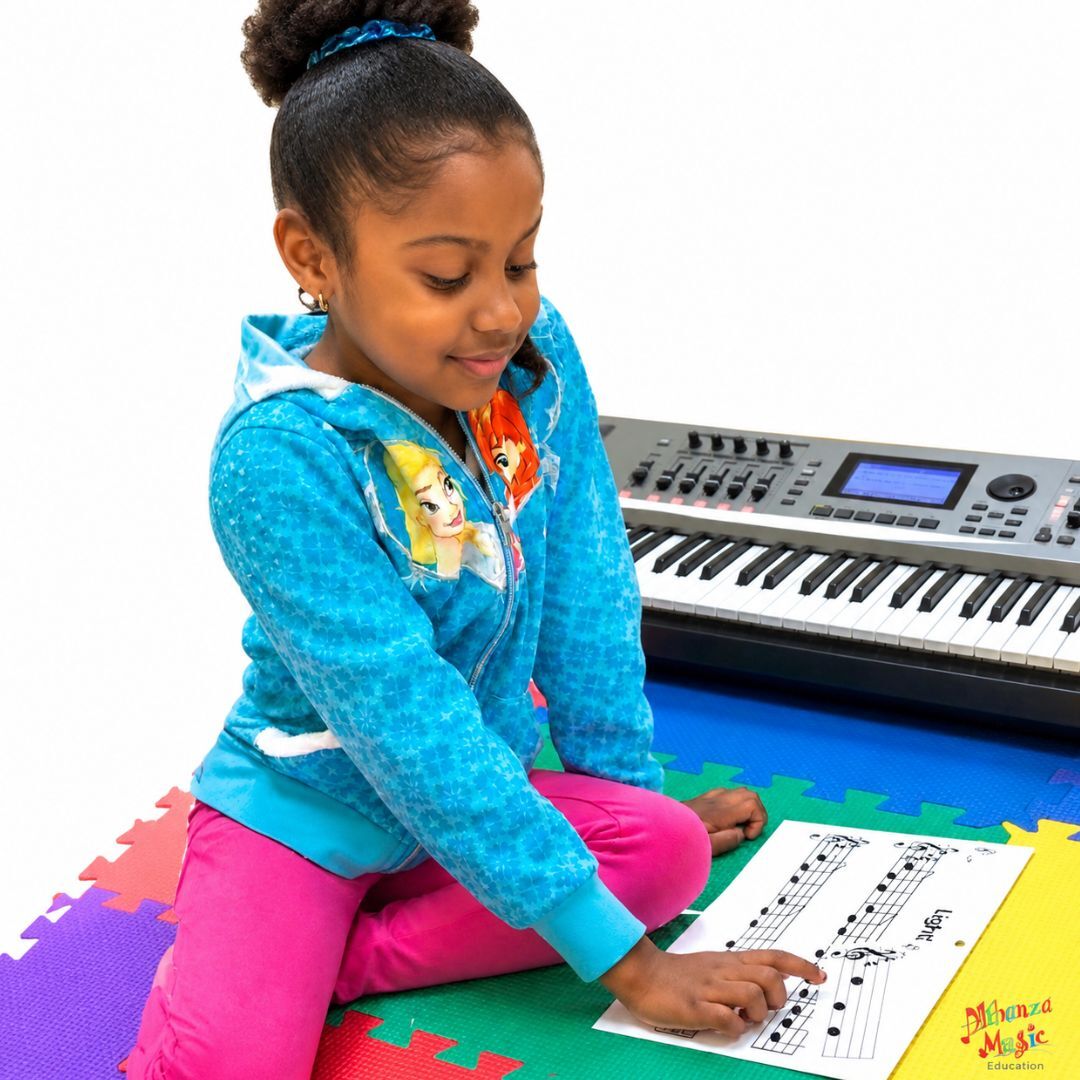
Music, language and culture develop musicianship, focus, memory, ensemble skills and confidence together.
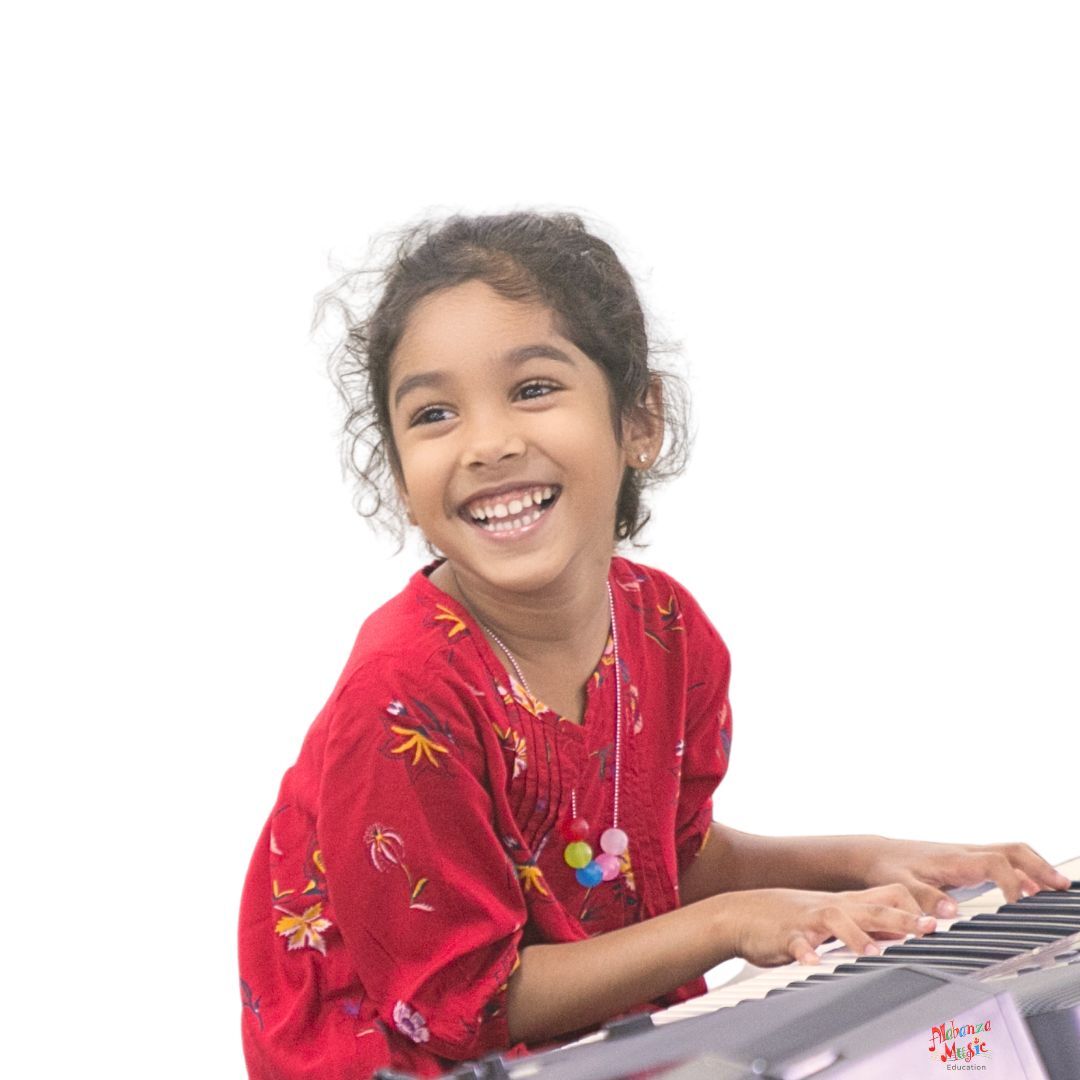
Composing, improvising and playing by ear, building musicians who do more than reproduce notes.
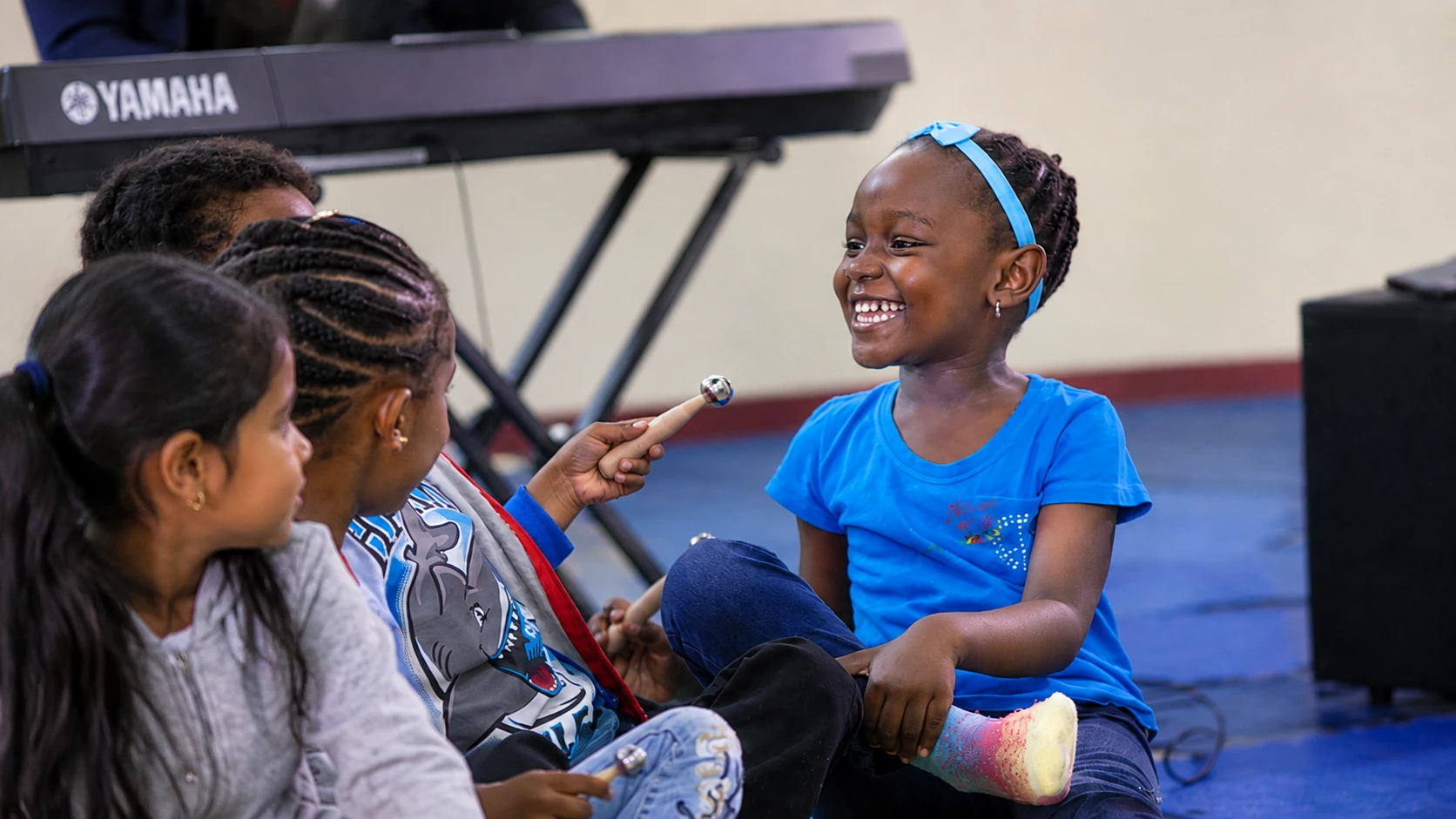
What Comes Next?
Your child joins the MusicVersity programme recommended for their age and stage, not a watered-down trial class. If you continue, your child typically stays in that recommended programme.
Use See details under your child’s age group to view what they will be learning at that level.
Dingolay gives new families a fuller 2-month start including course materials, before deciding on the longer pathway through July 2027.
Before you make any longer commitment, we show you the next option and the amount due so you can decide with the full picture.
What looks like play can be serious brain work.
GROUNDED IN PEER-REVIEWED RESEARCH.Long before a child can read music or play an instrument, the developing brain is already responding to rhythm, pattern and musical interaction.
The brain is most responsive in these early years. Waiting until a challenge appears means working against the clock instead of with it.
In a 2026 brain-imaging study of babies just 0–5 days old, newborns showed stronger responses to both song and speech than to humming. Their brains processed song in strikingly similar ways to speech, suggesting that singing may already be meaningful for early speech perception and language development.
A recent meta-analysis of preschoolers aged 3–6 found that music training significantly improved inhibitory control, working memory and cognitive flexibility, the core executive functions a child needs to focus, follow through and manage their own behaviour.
A weekly music playschool for 5–6 year olds, built around active, playful group participation rather than formal instrument drills, significantly improved children's phoneme processing and vocabulary. A related rhythm-focused programme produced similar language gains in 6–7 year olds.
What Informs Our Approach
Beyond the curriculum itself, the way we teach is shaped by established ideas from music education, movement, child development and language learning, applied through active, age-appropriate MusicVersity experiences.
Music Learning Theory, audiation and learning music by ear before relying on notation.
Singing, musical literacy and folk music as foundations for musicianship.
Rhythm and embodied musical learning, helping children experience music through the body.
Instrumental play, creativity, improvisation and active music-making.
Listening, parent involvement, repetition and nurturing ability over time.
Child-centred learning, independence and thoughtfully prepared environments.
Body awareness, movement qualities and physical expression, giving children more ways to experience and communicate meaning.
Repeated listening and speaking patterns help sounds, words and phrases become familiar and increasingly automatic.
Language is experienced directly through listening, speaking and meaningful interaction rather than constant translation.
Children are given rich, low-pressure opportunities to listen and absorb language before being pushed to produce it.
Children connect words with actions and movement, giving language a physical meaning they can understand, remember and respond to.
That is why our classes do not separate the ear, the body, language and musicianship. We develop them together.
Begin with Ramajay, our in-person Introductory Experience.
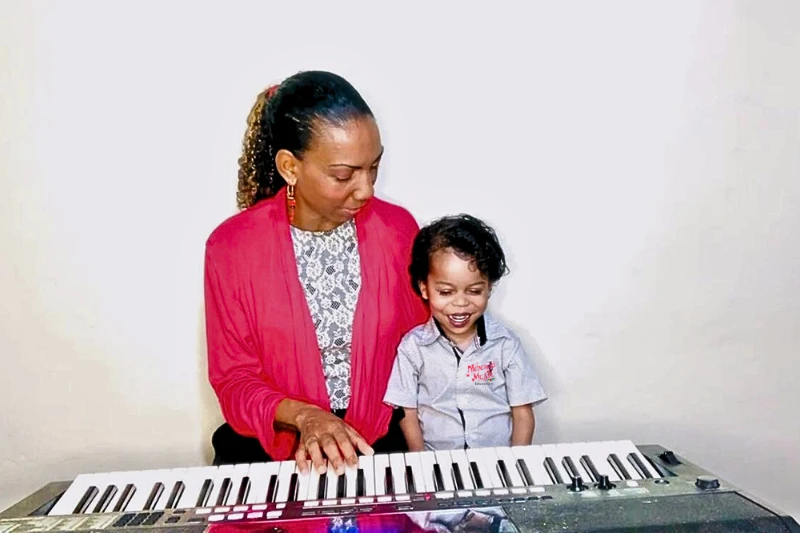
The Person Behind MusicVersity
“When I speak about a child who doesn’t quite fit the mould, I’m speaking from personal experience. That child was me, and in a different way, it is also my son.
Music and languages gave me confidence, a voice and a place in the world.
Later, as an educator, I saw too many children moving through systems focused on what they could produce, without enough attention to what was developing underneath.
Motherhood made that question even more personal. Raising a child born with a special medical condition deepened my understanding of how valuable it is when parents understand what the brain and body are trying to do.
For over two decades, that has shaped the way we teach. MusicVersity grew from that belief. We go beyond teaching music, using music, movement and language intentionally to support the developing brain while helping families understand how to reinforce that development beyond the classroom.”
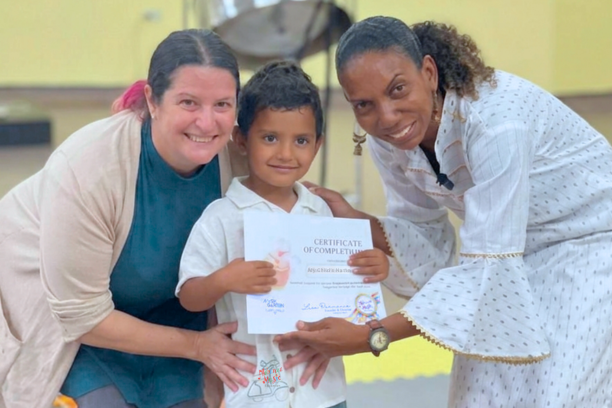
These real moments show musical leadership, cultural understanding and multilingual learning in practice.
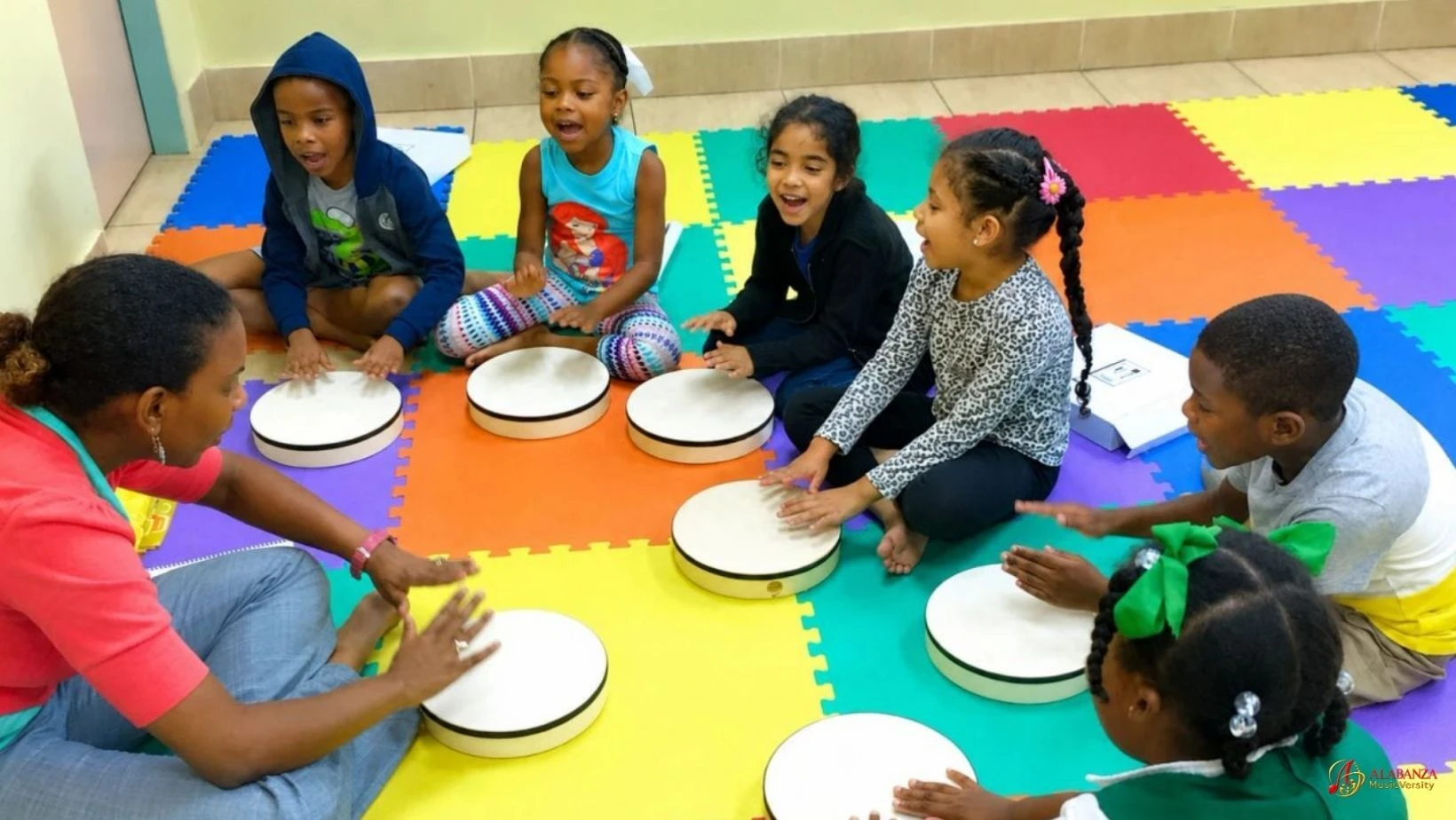
Real moments from inside MusicVersity classes, showing children and families learning through music, movement and active participation.
The National Anthem explanation shows the listening, accuracy and cultural understanding behind the music, not simply memorising words or notes.
A child working through Maths homework across different languages. A glimpse of multilingual learning becoming something they can actually use.
Ready to join the real class? Start with Ramajay.
Each semester builds on the last, leading to Graduation & Certification in July.
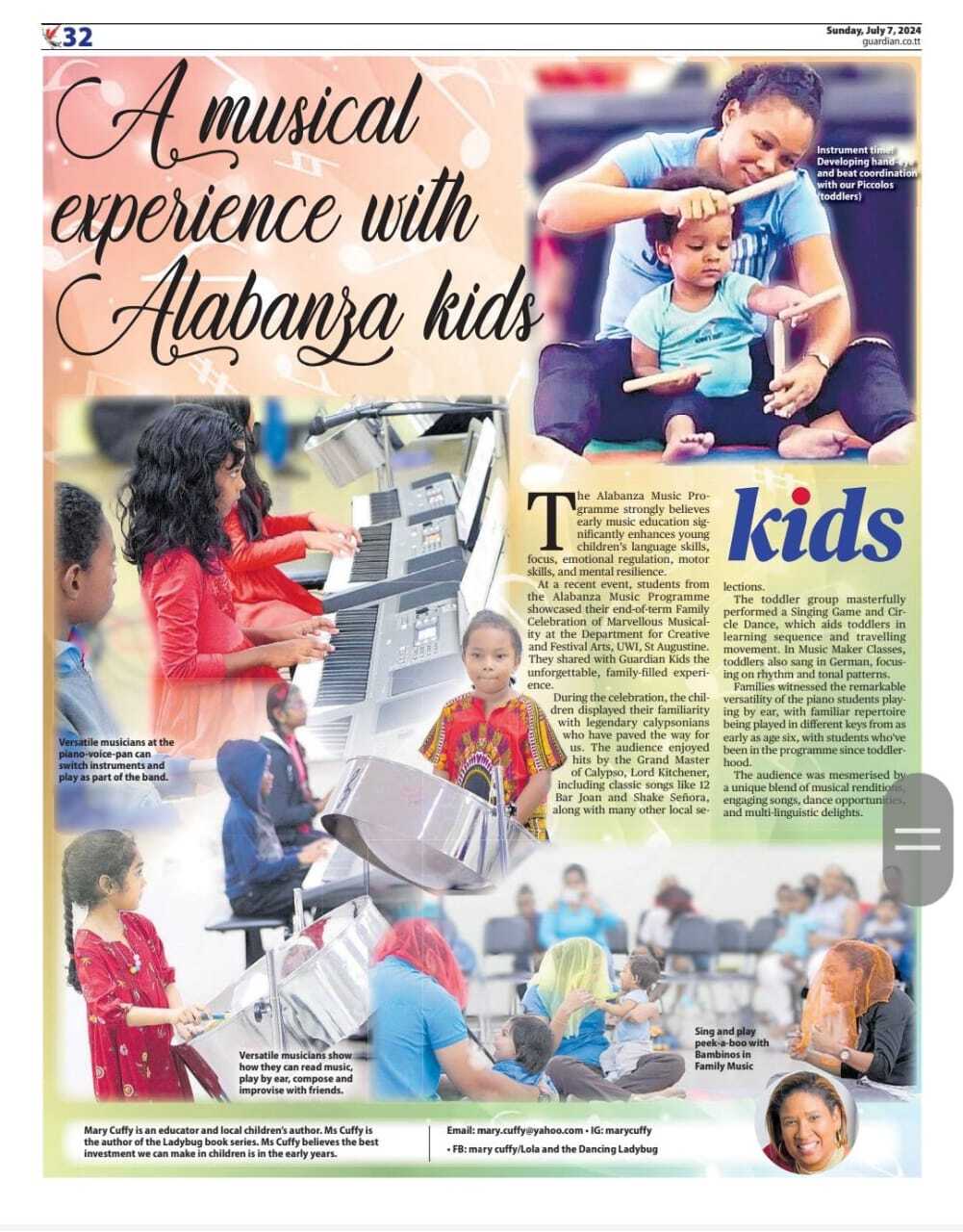
FEATURED IN THE TRINIDAD GUARDIAN NEWSPAPER
The feature captured our Year-End Celebration, where MusicVersity families come together to make music, celebrate what the children have learned and share the experience as a community.
View the newspaper feature →What Families Wish They Had Known
If only we had known sooner. Four things MusicVersity families genuinely believed before they started, and what they discovered changed how they saw their child’s early years.
Parents often assume a child needs to be calmer, more verbal or simply older before music can mean anything.
Settling, focus and self-regulation are not prerequisites for the class. They are capacities we intentionally help children build. The earliest years give us a powerful opportunity to work with sound, movement, connection and repetition while the brain is rapidly developing.
“I honestly wasn’t sure what impact it would have. But watching his eyes light up, the look on his face as he processed what he was hearing, his smiles, and his silence, which is uncommon with our little one, was impressive and magical to witness.”Donnelle, mum of a 3-month-old
Parents naturally look for visible performance, especially when that is what children’s music education usually shows us.
Play looks different in the early years. Purposeful musical play can develop rhythm, language, memory, coordination, self-regulation and creativity at the same time. The learning is real even when it looks joyful and effortless.
“It was truly amazing to see how the musical concepts were being taught through fun and interactive methods that seem just like play for the kids.”Amanda, MusicVersity parent
Those are valuable visible skills. They are not the whole musician.
Can they hear a melody and work it out? Sing what they see? Play by ear, improvise, compose and understand what they are doing? We develop the ear, brain and musical thinking underneath the page, from the very first session.
“When I joined these classes, I saw this extremely unique, so well-deconstructed approach to music, I was roped in right away.”Ms Edwards, Music Teacher & MusicVersity parent
It is one of the most persistent concerns parents hear about multilingual development.
Young children are built to listen for sound patterns. We use music as a natural vehicle for multilingual exposure, helping children hear, imitate and connect with different languages through meaningful musical interaction.
“She is only 2 years old and she’s counting in Spanish. She would see a word for the first time, analyze it, and then quickly develop and learn the word.”Toddler Dad, MusicVersity family
What Starts to Stand Out
Five things you may start noticing at home, at school and around family.
New words, clearer expression and languages showing up when you least expect them.
“The words she could identify way beyond her age.”Ronald A., MusicVersity parent
Joining in, taking turns and using music and language to connect with others and the culture around them.
Hearing patterns, remembering sequences, spotting differences and figuring things out rather than simply copying.
Listening for cues, following a sequence, waiting for a turn, managing energy and sticking with something when it gets hard.
Joining in, speaking up, singing out, taking a turn to lead and making music with growing independence.
“The biggest change in her was her confidence.”Amanda B., MusicVersity parent
Parent Perspectives
Ready to begin? Experience the programme with Ramajay.
RAMAJAY · YOUR INTRODUCTORY EXPERIENCE
Ramajay includes two guided sessions in the real programme. Experience MusicVersity first, then decide whether to continue into Semester membership.
Join the same MusicVersity teaching, interaction and learning experience our enrolled families receive.
Music, movement and multilingual learning, inside the real programme.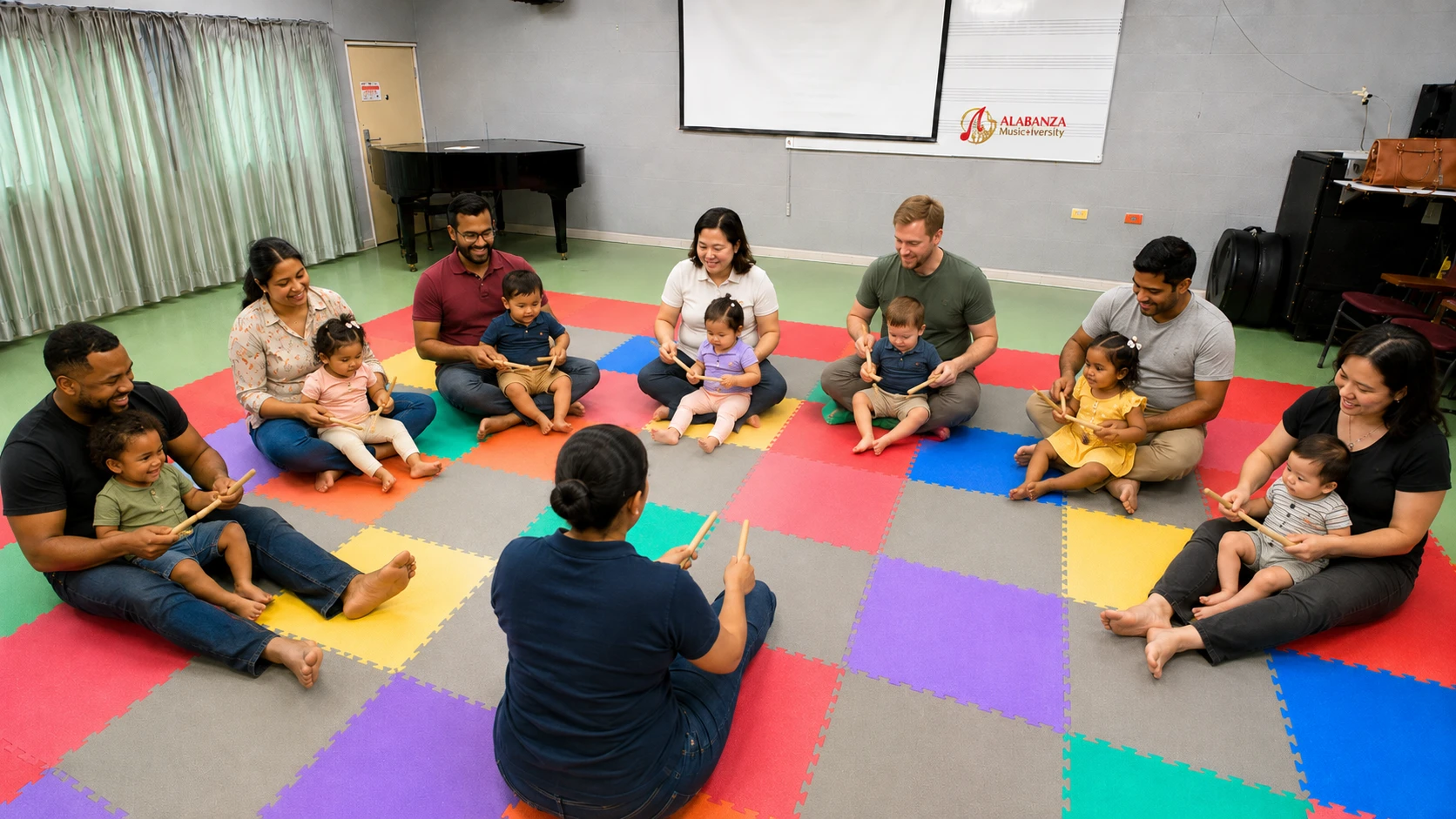
Click Book to see current schedules and choose your session immediately. No waiting for a callback.
Choose your session → Pay securely online → Your spot is secured.
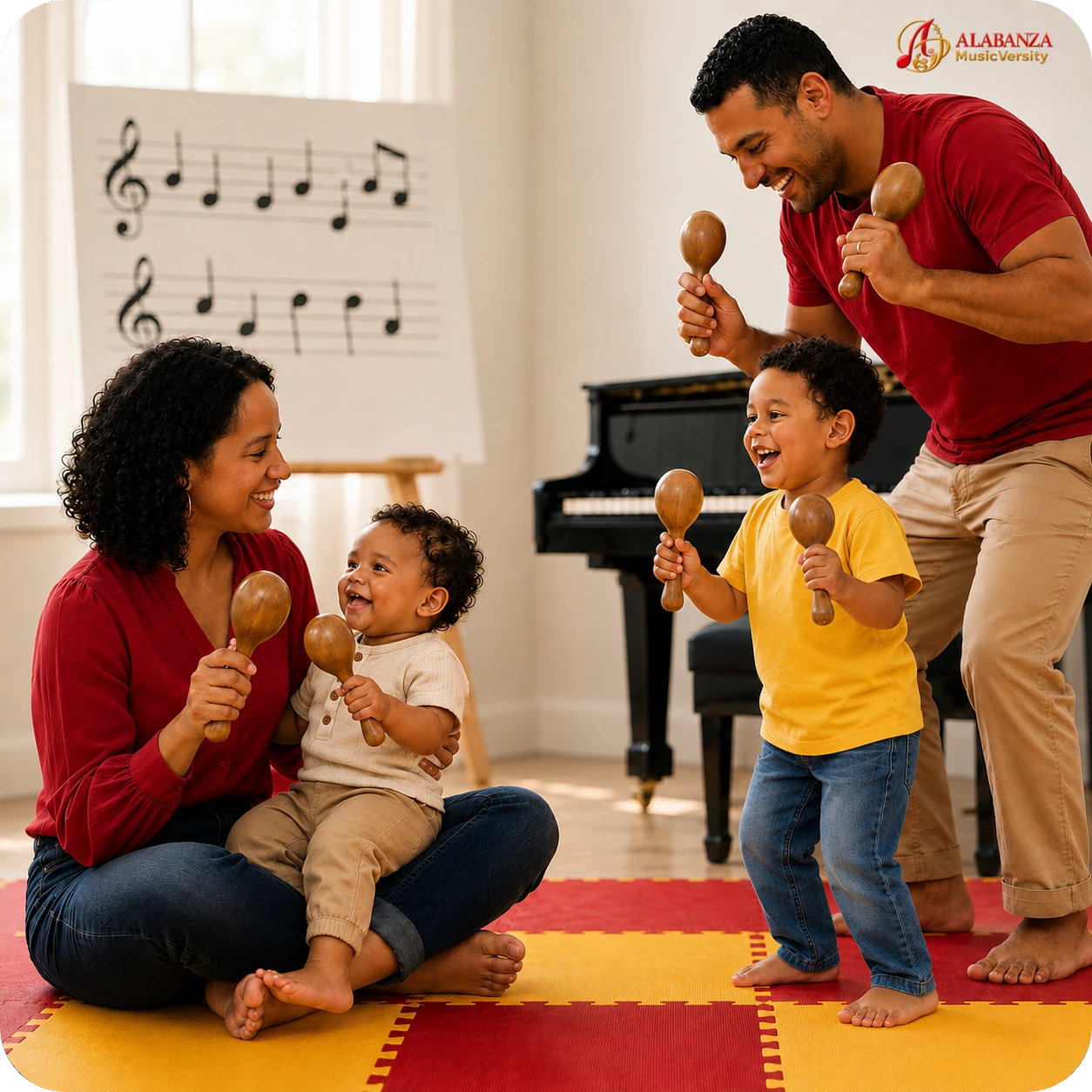
Our Recommended Starting Point · In-Person
TT$400 / USD$64
Includes a TT$100 non-refundable administrative fee.
Two guided sessions give you time to experience the programme, receive specialist placement guidance and make a confident decision about continuing.
See current schedules and choose your session immediately. No waiting.
Newborn babies (0–3 months): first session complimentary.
Begin online or build momentum with the 2-Month Experience.
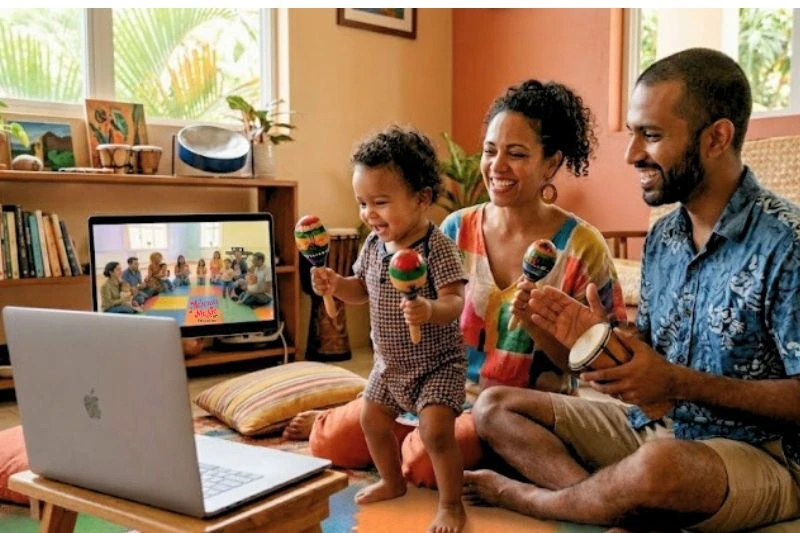
Pre-Recorded or Live Online
TTD $100 / USD $16
Choose what works for your family: a guided pre-recorded session to use in your own time, or a live online session with real-time interaction.
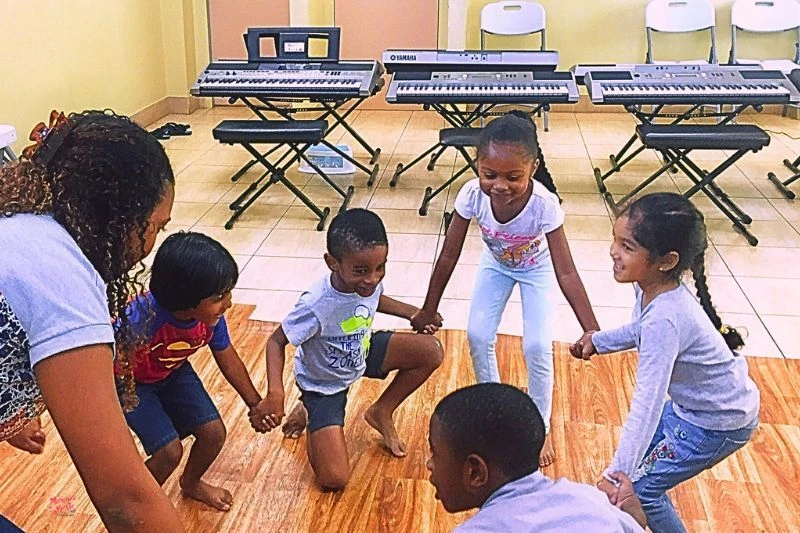
TT$1,500 / USD$240
Includes a TT$100 non-refundable administrative fee and course materials.
If you want a fuller 2-month start before deciding on the MusicVersity year, Dingolay gives you that extra time.
Not sure where to begin? Ramajay is our recommended starting point.
That is completely okay. We do not expect children to perform on demand. Some children join immediately, while others watch, listen and take things in before they participate. We guide you on how to support your child without pressure while they become comfortable with the environment.
Ramajay and Dingolay are protected by our First Session Confidence Guarantee. If after your first session it is not the right fit, you can receive a 100% refund less the TT$100 / US$16 non-refundable administrative fee.
Select the class that is closest to where your child is at developmentally.
Always go with the one closer to their starting age.
Adjustments can be made by the Specialist as needed.
It varies according to developmental stage, typically from 30 to 60 minutes.
Absolutely! Your role is key.
Connection brings confidence. The reason this approach works is that you're in the room, or online, participating alongside your child, so you can be guided on how to reinforce what they're learning outside of class time.
You are always welcome to stay, even with older children.
No. Your Intro lets you experience the real programme first. Your child typically stays in the recommended programme if you continue.
If you want more time before deciding on the full MusicVersity year through July 2027, Dingolay gives new families a 2-month start including course materials. Before any longer commitment, we show you the next option and amount due.
Once you select your Introductory Experience, you'll be guided to checkout for the class that best matches your child's age and developmental stage.
Your booking is confirmed once payment has been received and processed.
No.
You do not need to sing perfectly, play an instrument or have previous music training.
The experience is designed to guide you and your child together.
With Oye, you can begin from home in two ways, whether you are in Trinidad & Tobago or abroad. Choose a guided pre-recorded session to use in your own time, or join a live, active parent-child session with real-time specialist guidance. Both introduce our music, movement, rhythm, listening and multilingual approach. If it feels right for your family, we'll guide you toward the most appropriate next step for your child's developmental stage.
Absolutely. We understand that every child develops differently, and children with a wide range of strengths and developmental profiles are generally welcome in our classes.
Our programmes are group music and movement experiences, not clinical therapy. While they can support areas such as communication, regulation, confidence, coordination and social participation, we are not music therapists and do not provide individualized therapeutic intervention for children who require specialist clinical support.
If your child has specific developmental needs, we're happy to get a little more insight on your child first so we can determine whether the group class environment would be an appropriate fit.
Why Now
Begin with Ramajay. Take part in two guided sessions before deciding on Semester membership.
Click Book to see current schedules and choose your session immediately. No waiting for a callback.
P.S. You do not need to decide on the full MusicVersity year today. Start with an Introductory Experience. Semester spaces are intentionally limited, so beginning now gives you the best chance of securing your preferred programme and class time.