

Hear before you hunt for notes.
Children listen for tonal and rhythmic patterns, then use the ear to guide what they sing and play.
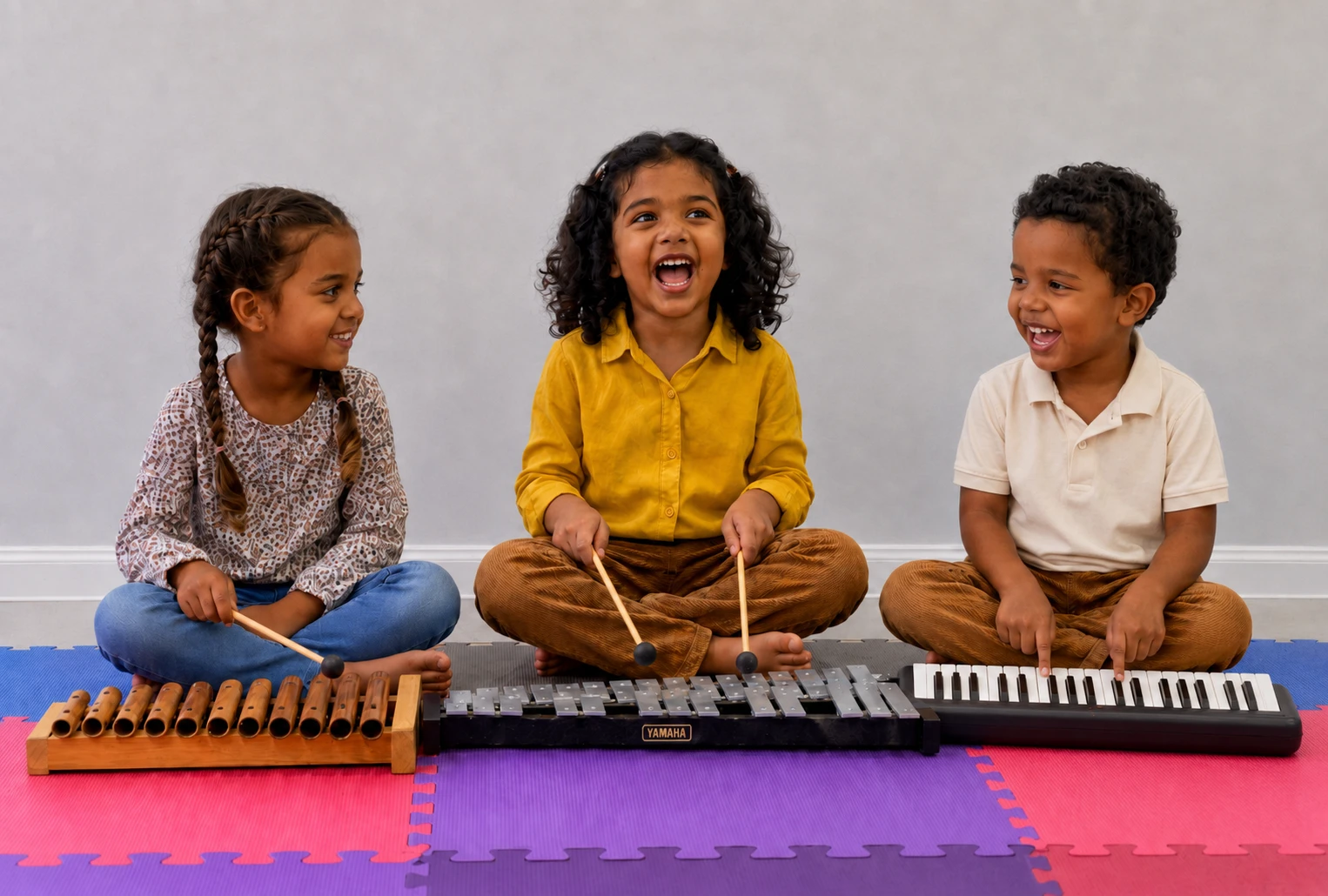
Pre-Piano & Preparatory Piano & Voice Classes in Trinidad
Building the ear, voice, coordination and musical thinking underneath confident piano playing.
International programme · Exclusively licensed here
Musikgarten® gives children a sequenced path from musical experience into instrumental understanding. Alabanza MusicVersity is the only licensed Musikgarten® provider in Trinidad & Tobago.
How the learning works
Preparatory Piano & Voice is the stage where early musical experience begins turning into more organised instrumental thinking. Children sing, listen, move, recognise patterns, create and transfer what they hear onto the keyboard.
Children listen for tonal and rhythmic patterns, then use the ear to guide what they sing and play.

Beat, timing, phrasing and coordination are experienced physically before they are compressed into fingers at the keyboard.
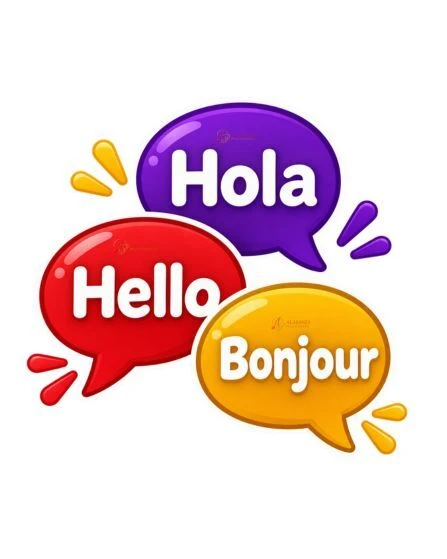
Voice, musical language and multilingual repertoire build pitch memory, phrasing, expression and confidence.
Real Preparatory skills
At this stage we are developing children who can listen, sing, find, respond, remember, create and increasingly understand what they are doing at the instrument.
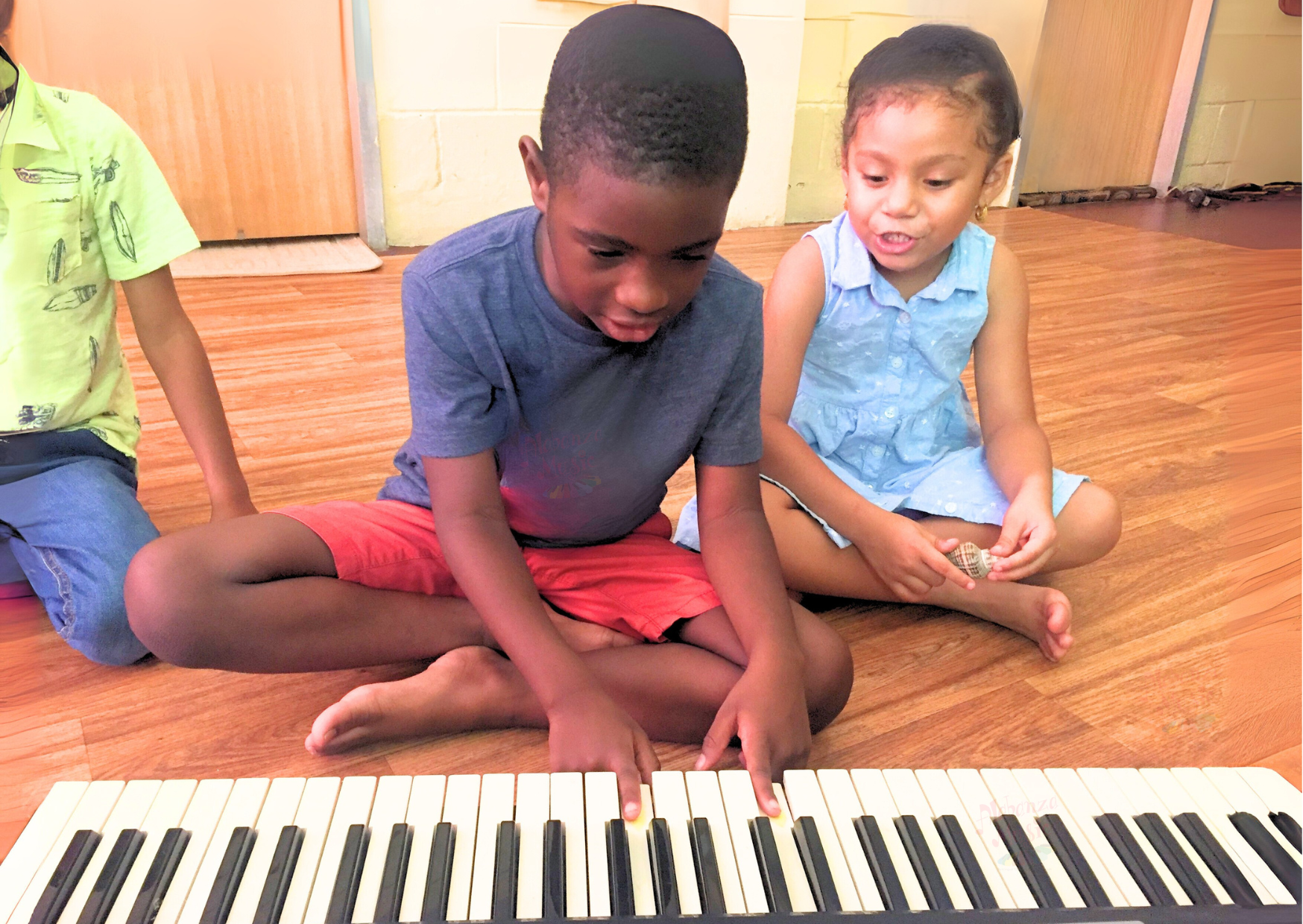
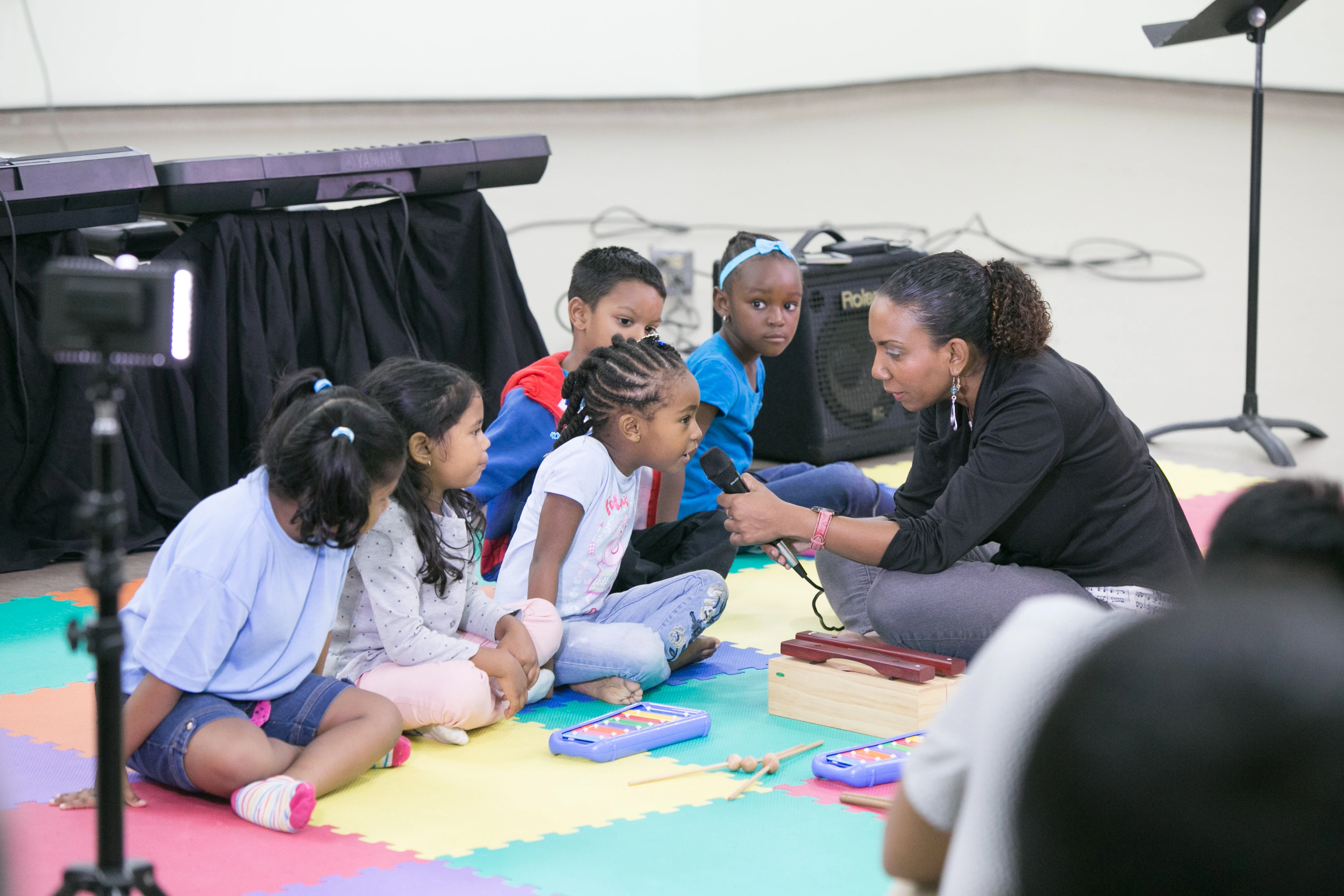
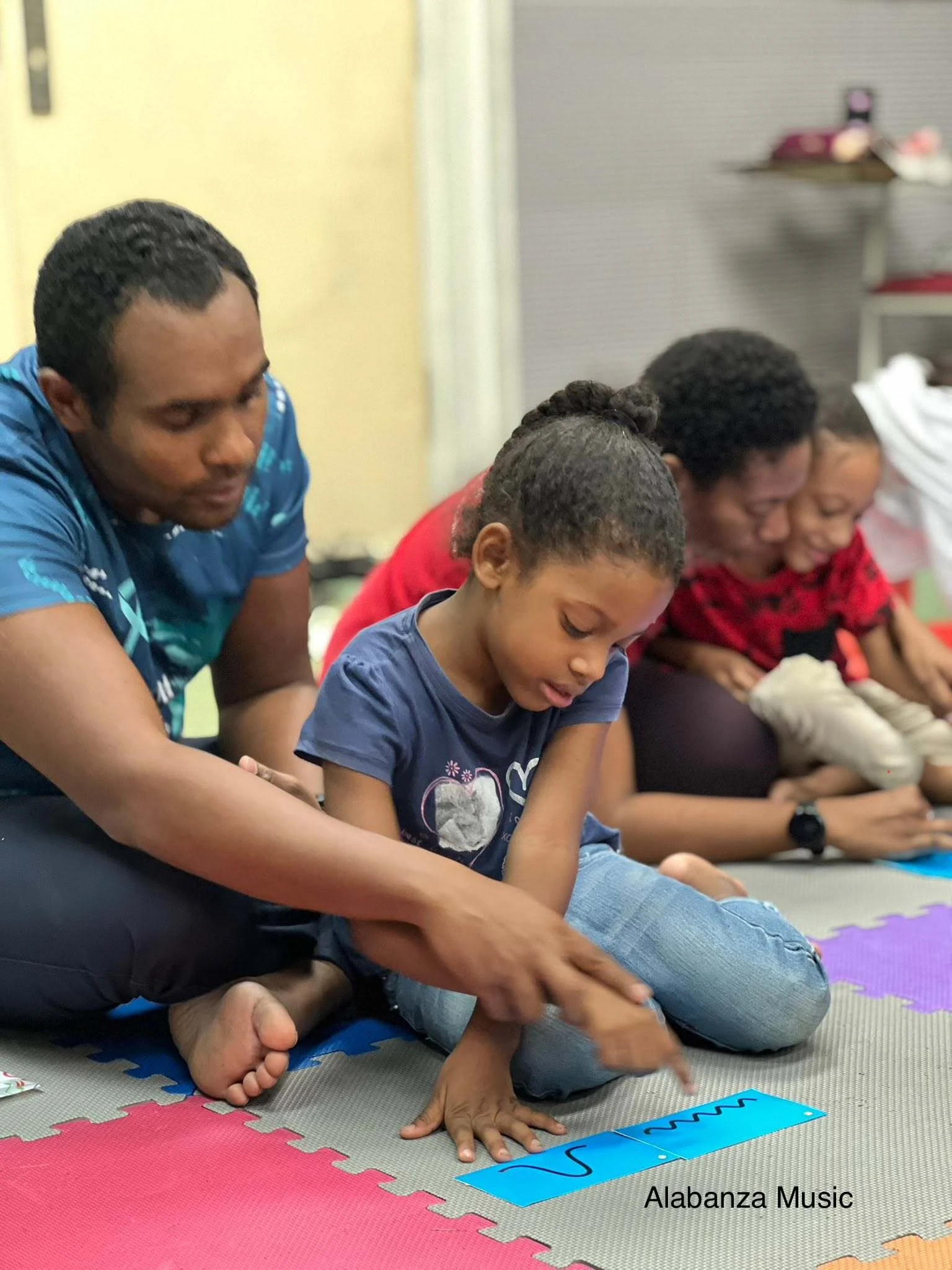
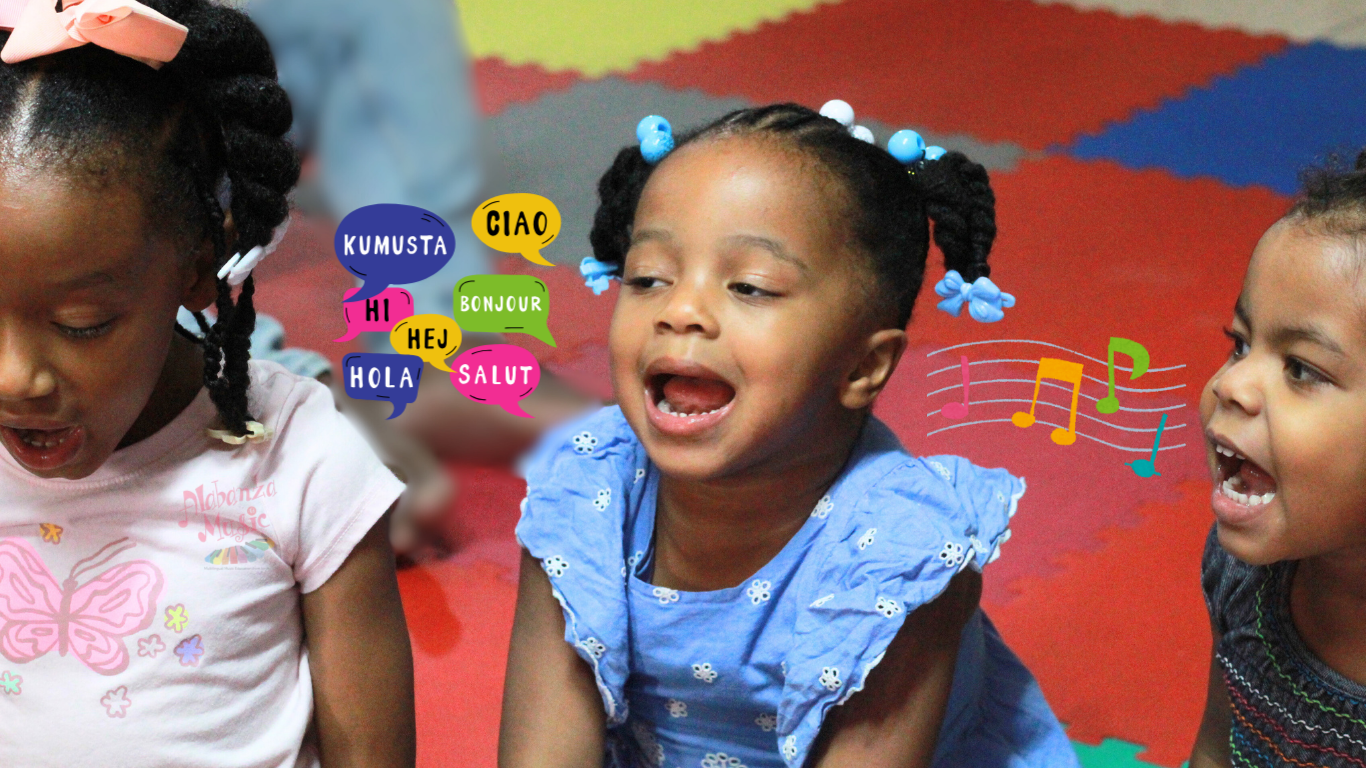
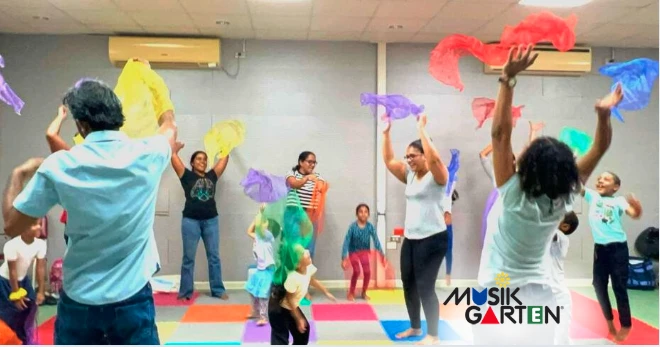
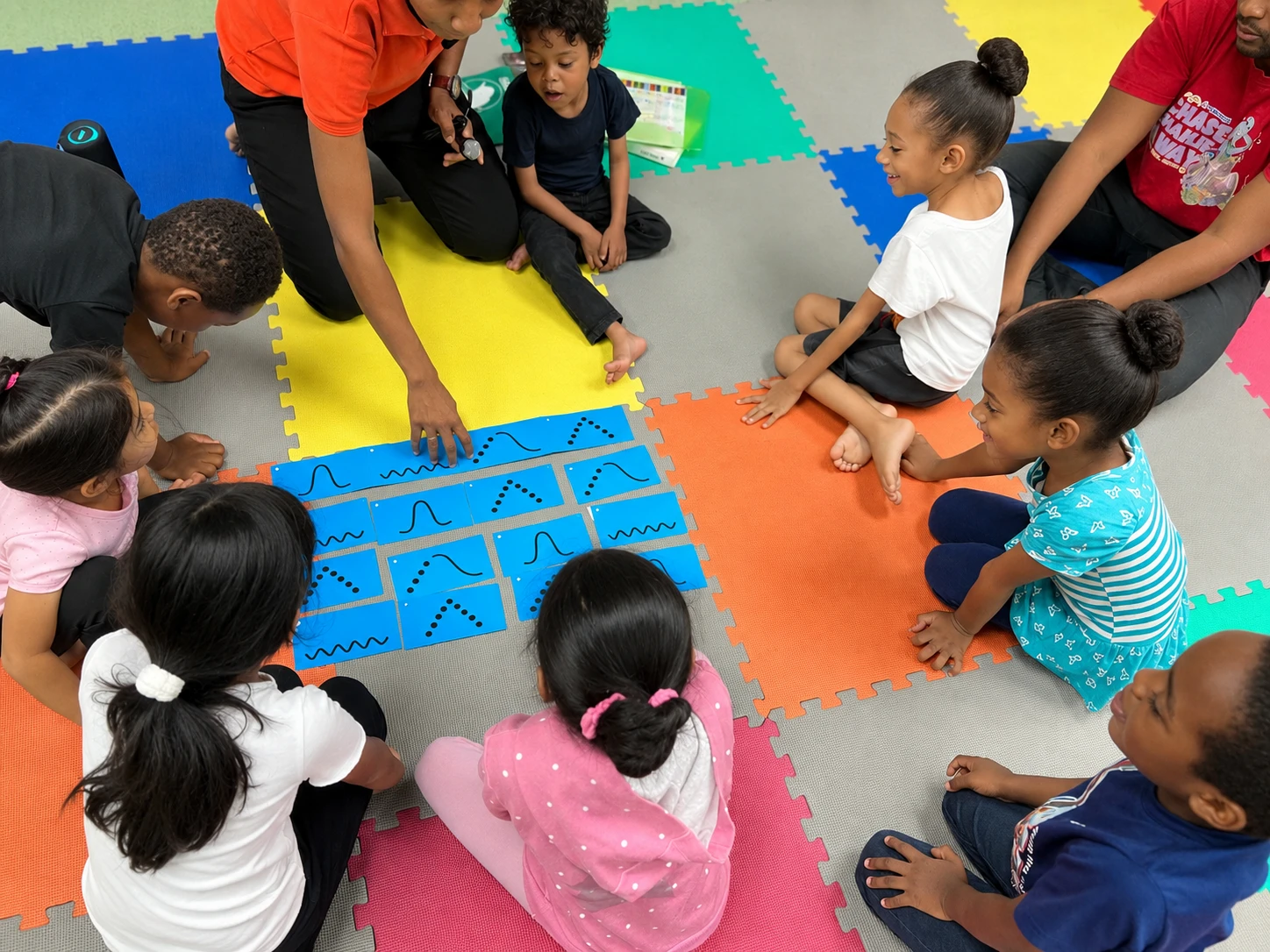
Inside a Preparatory Piano & Voice session
The experience is more focused and independent than the preschool stage, but children are not reduced to sitting at a keyboard copying notes. We keep the ear, voice, movement, imagination and social music-making involved while instrumental skill grows.
Tonal patterns, songs and call-and-response develop pitch awareness, musical memory and the inner hearing children need before the keyboard can become truly musical.
Children find, compare and organise familiar musical ideas on the keyboard through pattern, direction, spacing and listening rather than random note memorisation.
Movement, chanting and percussion keep beat, timing, rhythm and phrasing in the whole body before asking small fingers to manage more refined instrumental coordination.
Children answer, vary and create musical ideas so they are learning to think musically, not simply wait for instructions and reproduce them.
See it for yourself
Watch children move, listen, wait, respond, communicate and make music together.
What is being built underneath
The visible result is piano and voice. Underneath it, your child is developing the capacities that make later musicianship more independent.
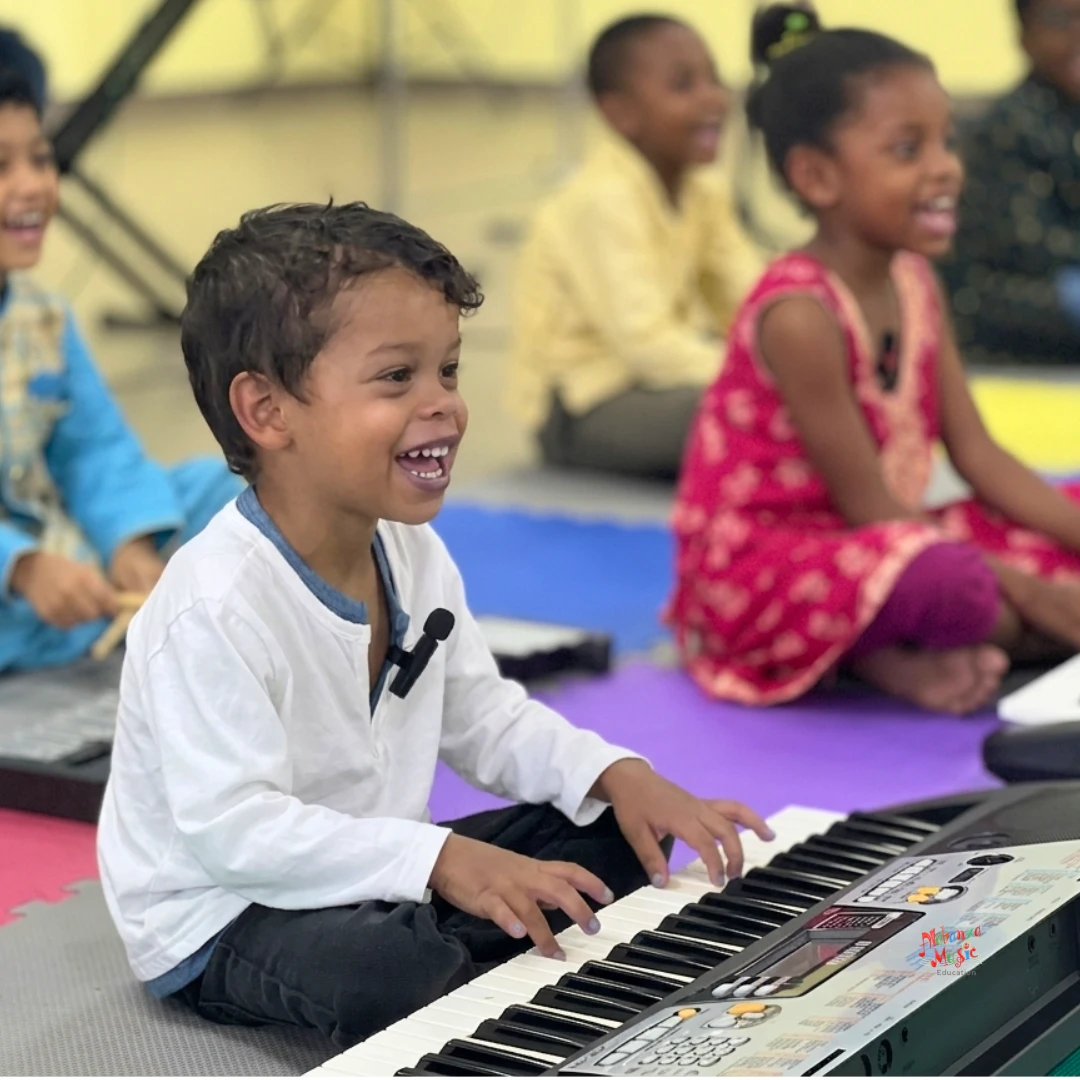
Children notice tonal, rhythmic and expressive details, then use what they hear to guide musical choices.
Singing develops pitch matching, phrasing, memory and the inner hearing that supports both instrumental playing and music reading.
Children organise what they hear on the keyboard through pattern, direction, hand use and increasingly controlled physical coordination.
They listen for what changed, search for solutions, adapt and make choices rather than depending on a teacher to supply every answer.
Multilingual repertoire and Caribbean musical experiences keep children flexible in sound, expression and cultural understanding.
Children practise contributing, leading, following, persisting and managing more of the musical task for themselves.
Begin at this stage
Preparatory Piano & Voice is designed for families who want more than early performance tricks. We are building foundations your child can continue using.
See the learning in action
Rather than tell you what this stage should look like, here are real class moments: listening, movement, language, coordination and children actively contributing to the music-making.
Music at this age can involve far more than reproducing notes. Listen for the response, coordination, musical thinking and participation underneath the activity.
Outside on the grass, movement is not simply prescribed. Children are invited to contribute ideas, respond creatively and help shape what happens next.
A language activity becomes simultaneous practice for listening, response, timing, coordination and expressive confidence.
Start here. Keep building.
Begin with Preparatory Piano & Voice, then continue through the MusicVersity pathway as your child is ready for greater independence, deeper musicianship and more advanced instrumental learning.
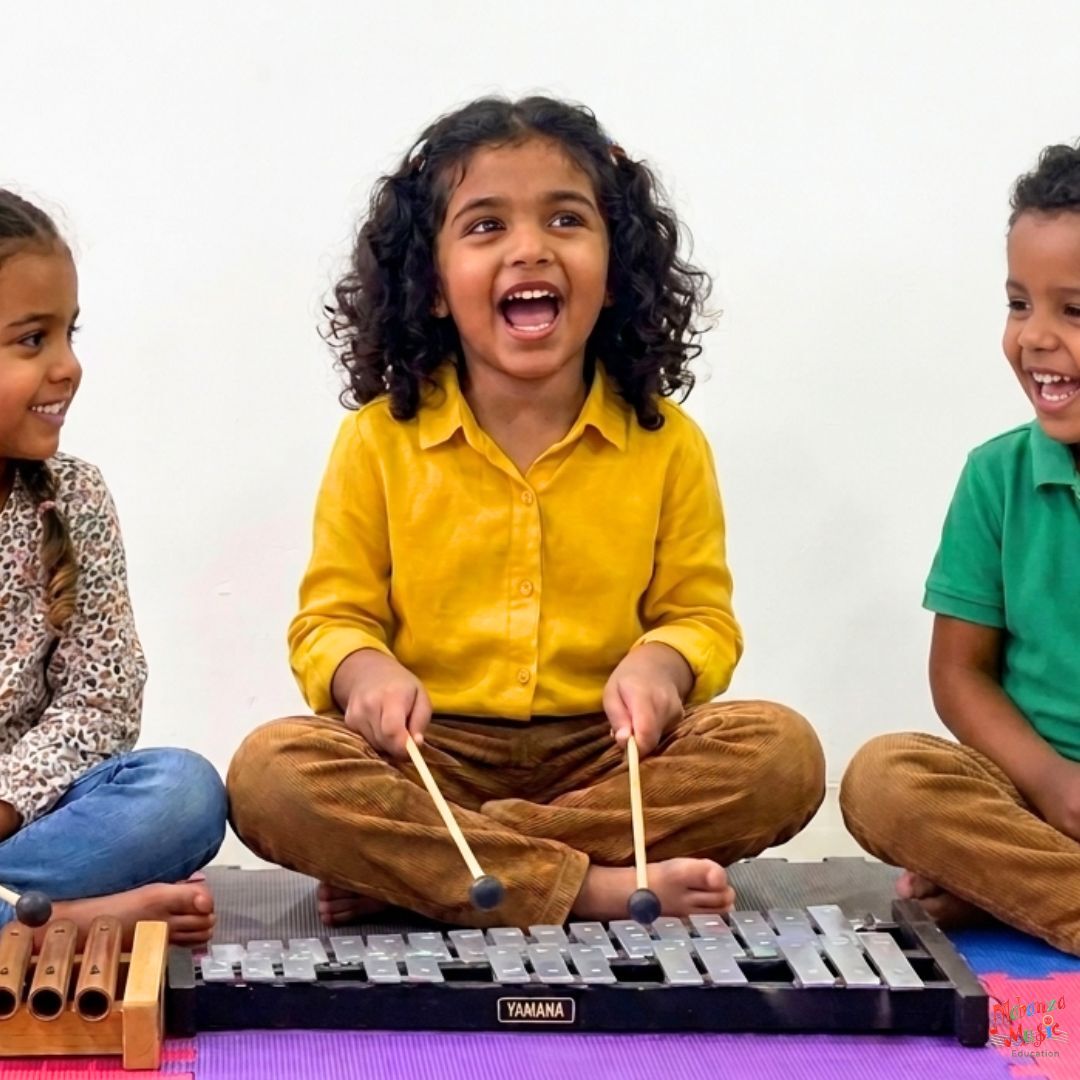
The MusicVersity pathway
Children move from developmental music-making into increasingly independent piano, voice, pan and broader musicianship when they are ready.
The MusicVersity Year
Each semester builds on the last, leading naturally to Graduation & Certification in July.
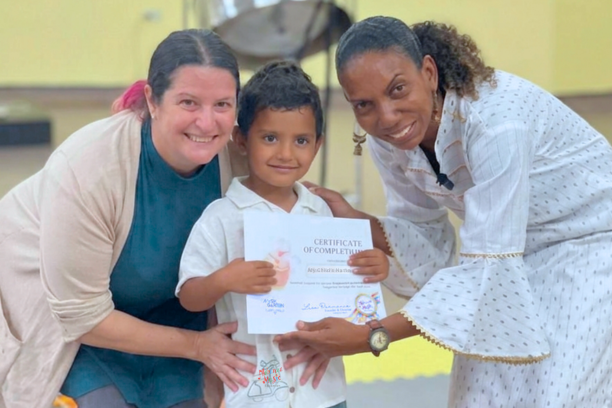
The completion milestone
This is not a set of disconnected weekly classes. Your child is moving through a structured developmental programme with progression and a completion milestone.
Choose How to Begin
Experience the programme first, then decide what comes next.
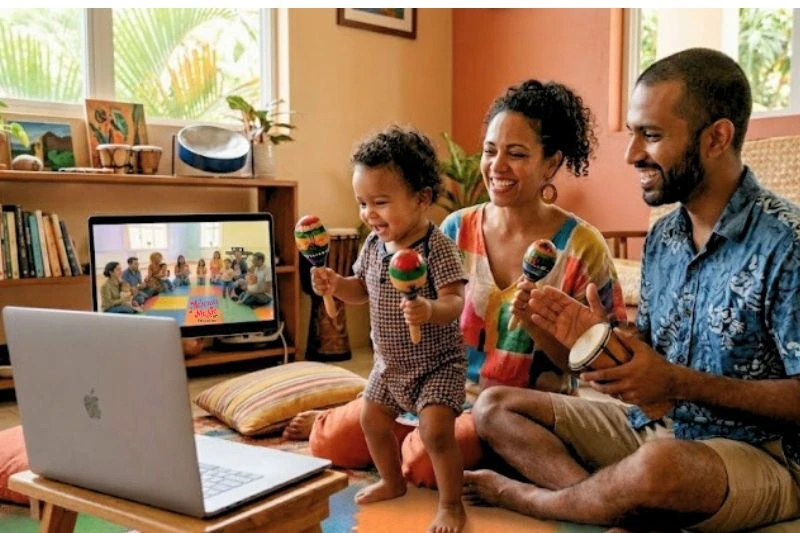
Live Online
Begin Live Online, Wherever You Are
TT$100 / USD$16
A live, interactive introductory experience bringing the Alabanza approach into your home in real time.
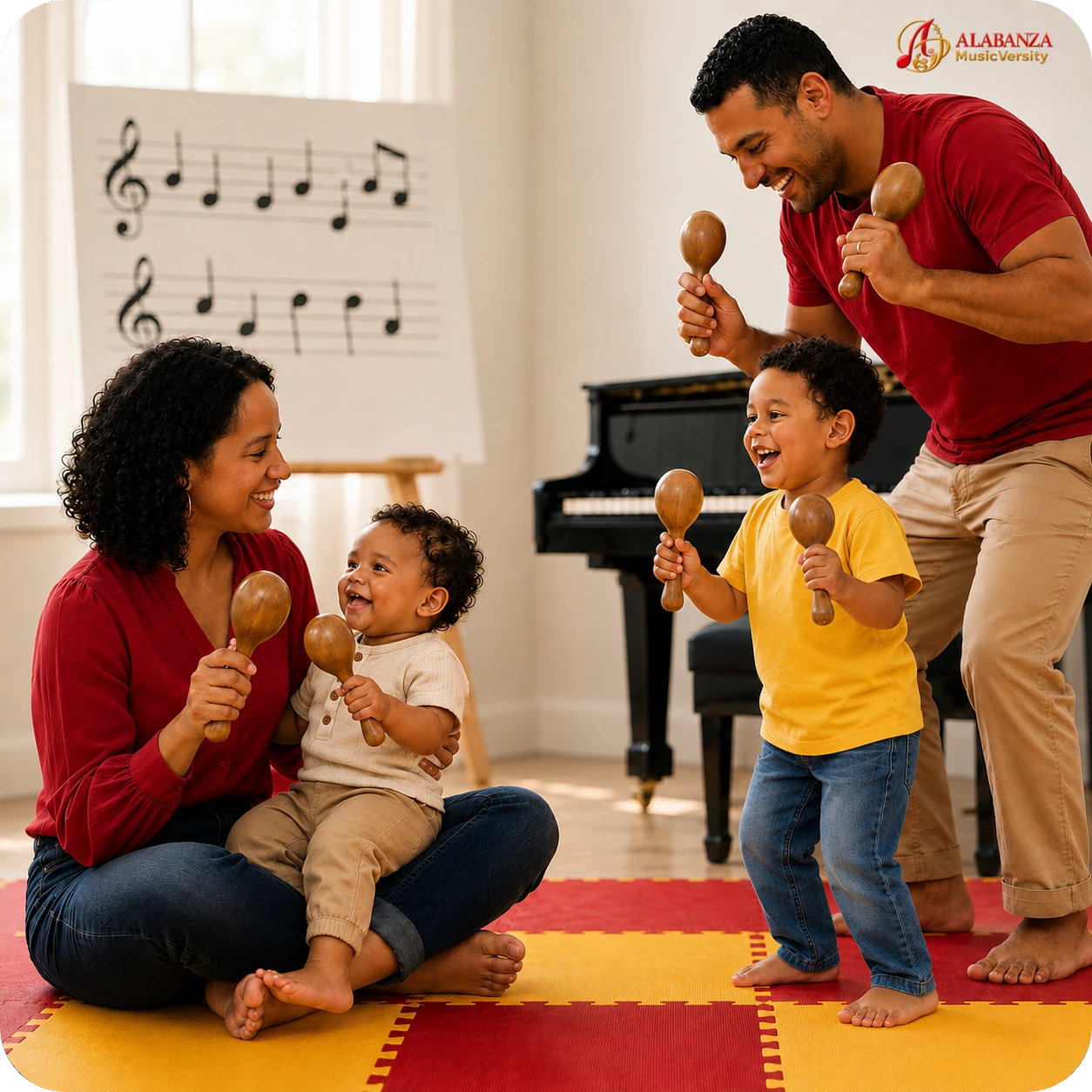
Two Guided Sessions
TT$400 / USD$64
Your child's first real Alabanza experience, placed for developmental and musical fit.
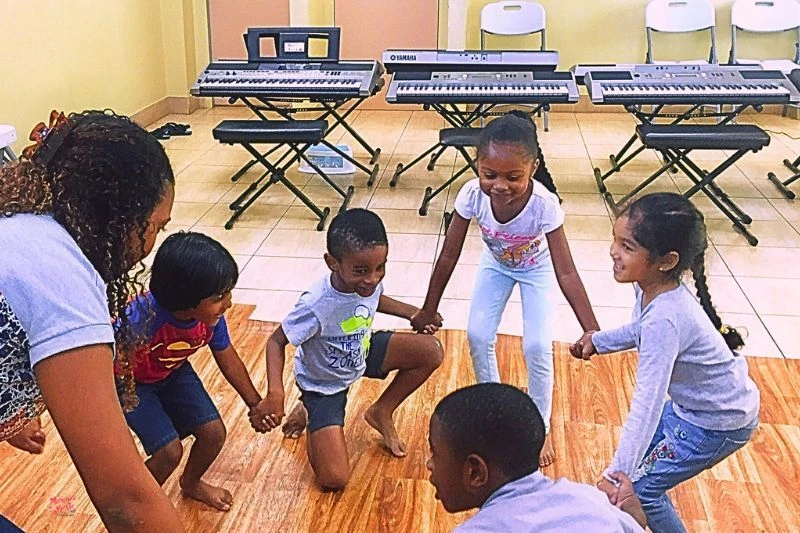
September–October Foundation
TT$1,500 / USD$240
For intentional families ready for a meaningful start before transitioning into Semester membership.
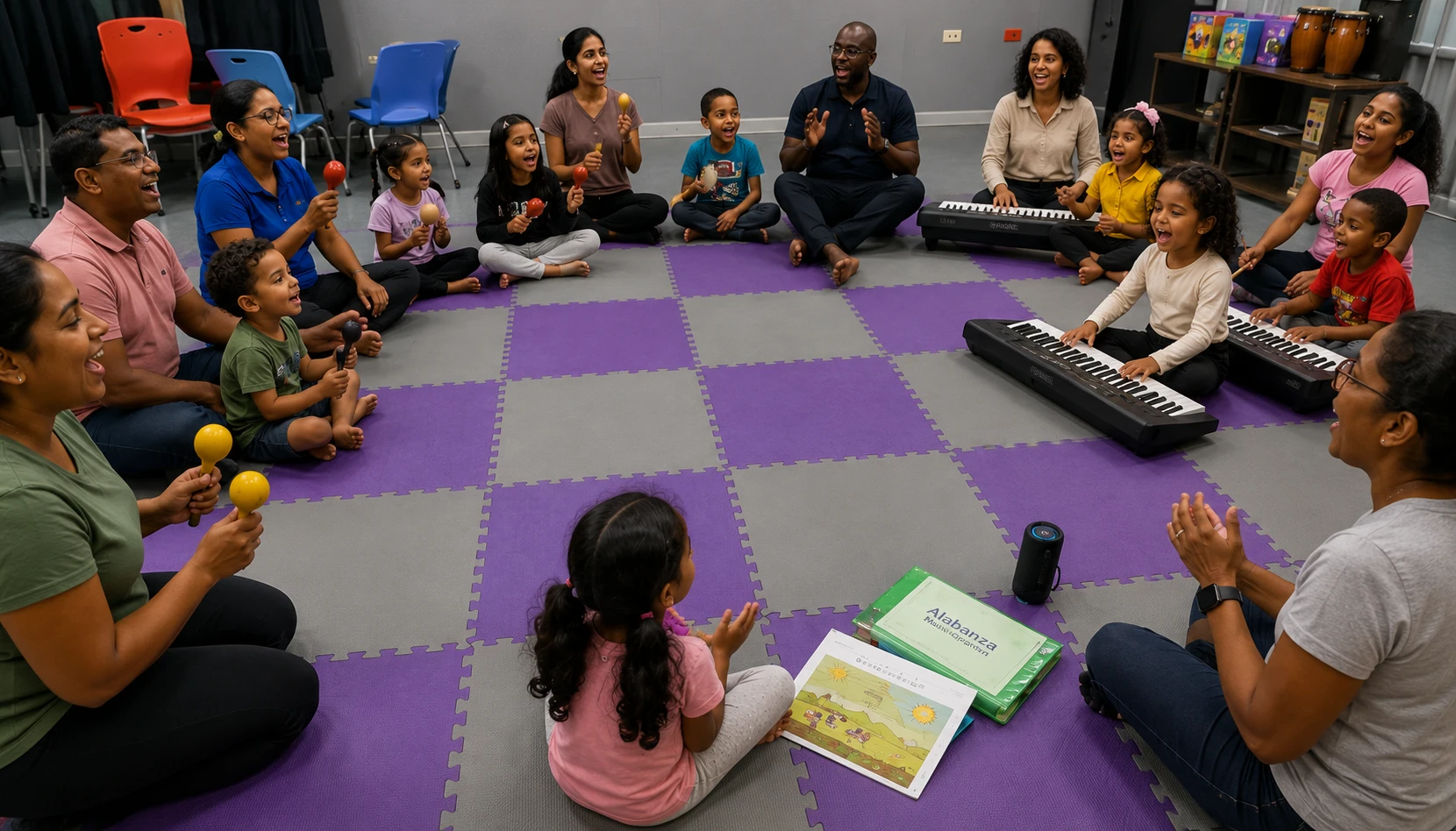
Sound before sight
Guided by Gordon Music Learning Theory, children develop musical understanding first, then connect what they already hear and know to notation.
The page can become the main source of musical information before the child has developed strong inner hearing.
The child has a sound to search for and a musical idea to understand before a symbol tells them what to do.
A child may reproduce learned pieces accurately but struggle to find a familiar melody or respond independently without notation.
Children are encouraged to listen, remember, search, adjust and play from musical understanding as well as from symbols.
Symbols can become information the child memorises before they know what those musical ideas feel or sound like.
Symbols are connected to patterns, rhythms and sounds the child has already experienced, so reading has meaning.
See it for your child
Experience the programme before deciding on the next step.
Parents learn too
Your presence helps carry the learning home. By joining in, you understand what your child is hearing, singing and doing, which makes it much easier to reinforce those ideas naturally between sessions.
Parents often tell us they genuinely enjoy learning alongside their children too, because they feel more equipped to guide and encourage them at home.
Frequently asked
Questions families often ask before beginning.
No. Children do play keyboard, but the programme deliberately develops voice, listening, rhythm, movement, musical memory, creativity and early literacy alongside instrumental skill.
Yes. We simply do not make notation the first source of musical understanding. Children hear, sing, move and play familiar patterns first, then connect those sounds to symbols.
The voice develops pitch matching, phrasing, musical memory and inner hearing. A child who can hear and sing a musical idea has a stronger basis for finding and understanding it on an instrument.
No. Placement is reviewed by age, readiness and prior experience. Some children enter from Active Allegros, while others begin with us at the Preparatory stage.
Home access becomes increasingly important as instrumental learning grows. We can guide families on an appropriate instrument for the stage rather than requiring an advanced purchase before placement.
Because pressing the correct keys is only one part of musicianship. Preparatory strengthens the listening, vocal, rhythmic, coordination and musical-thinking foundations that help later instrumental learning become more independent and meaningful.
No. Alabanza MusicVersity is an independent programme. U.W.I. St. Augustine is one of our class locations and should not be interpreted as U.W.I. ownership or endorsement of the programme.
Ready when your child is
Experience Preparatory Piano & Voice and see whether this is the right developmental next step for your child.