
The sound still comes first.
Children listen, sing, echo, identify and remember tonal and rhythmic patterns so there is music in the mind before the fingers move.
Piano & Voice Classes for Early Primary Children in Trinidad
Hear it. Sing it. Read it. Play it.
Correct notes are not the whole job
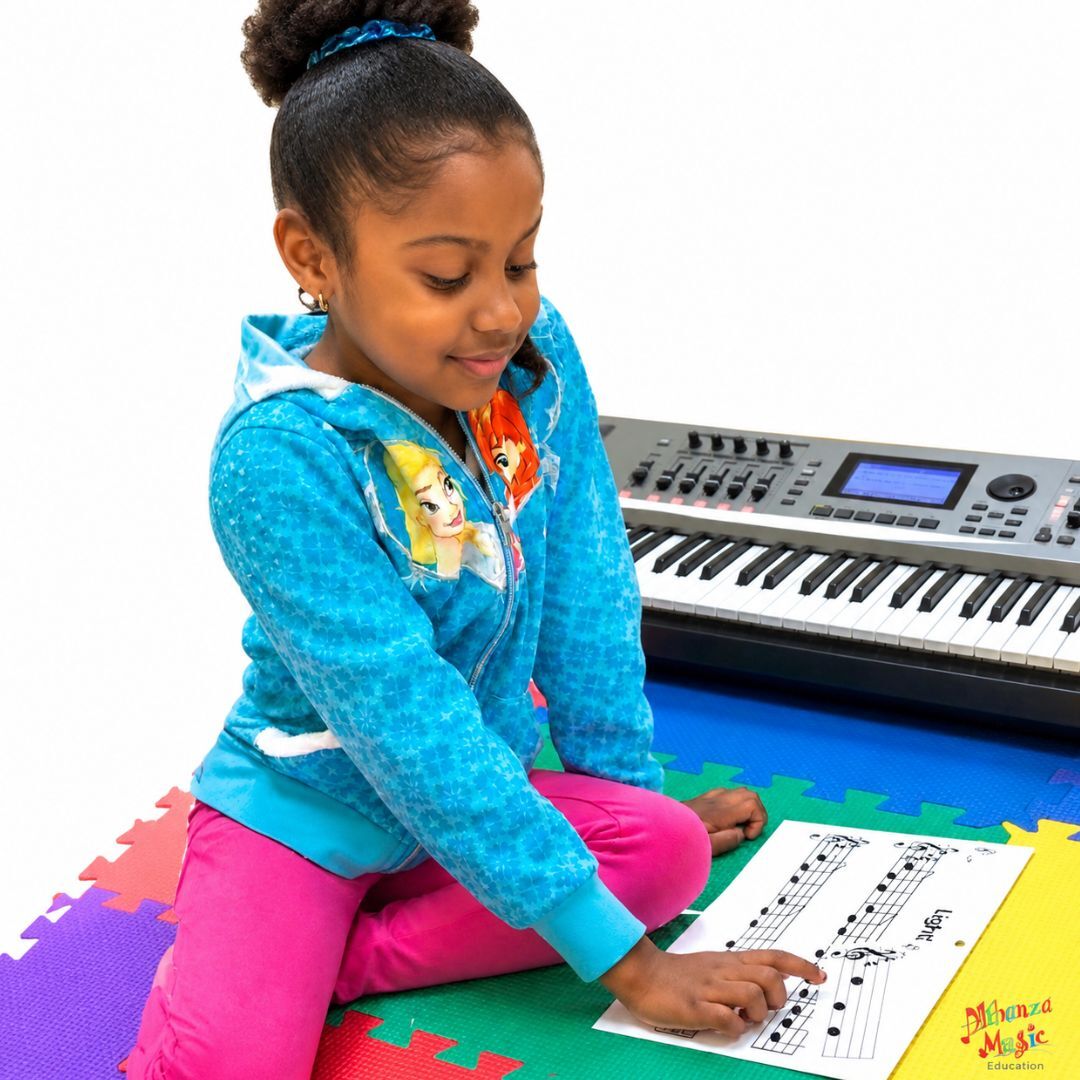
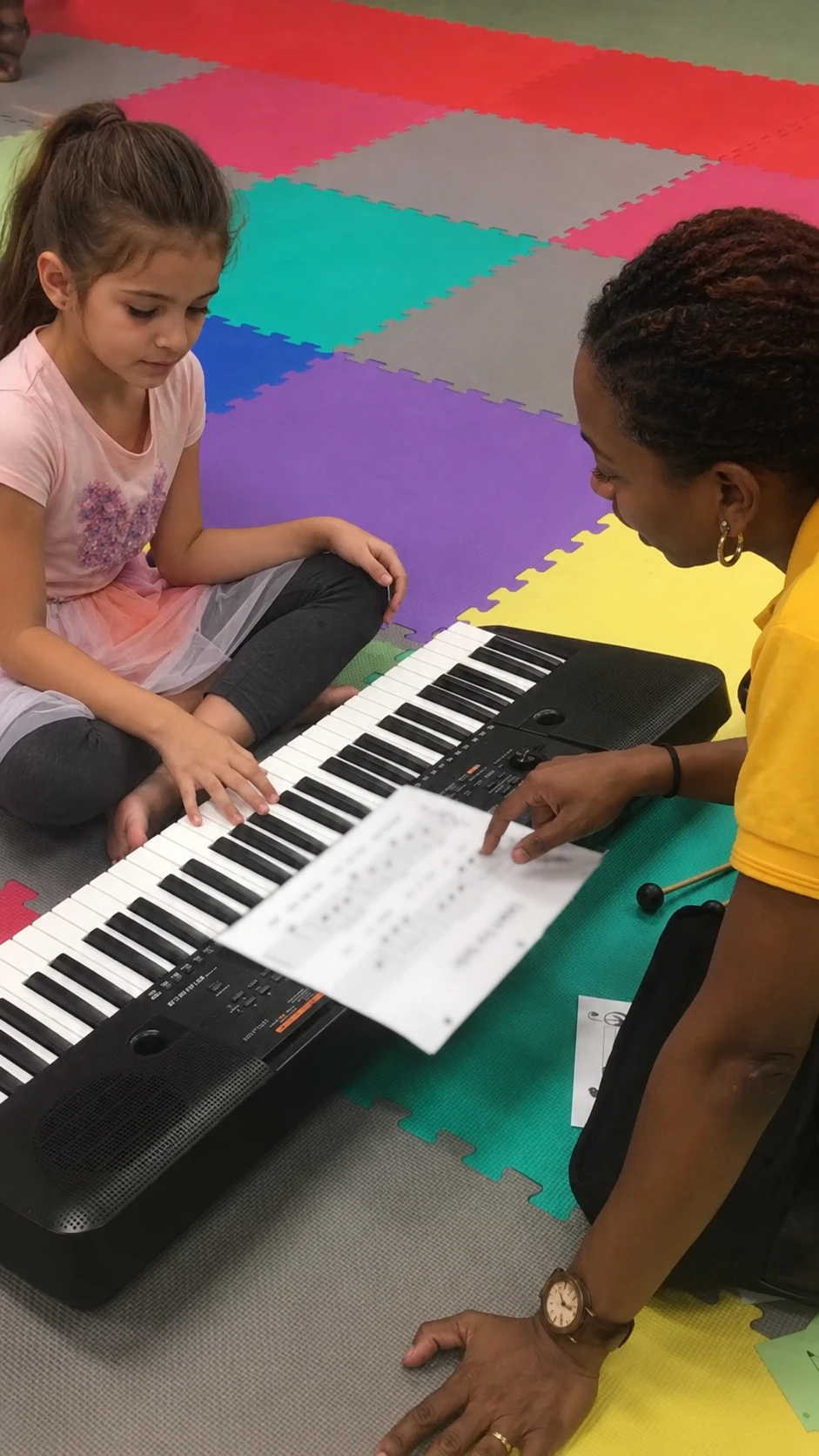
A child can learn to press the right keys and still feel lost without the page. We want notation connected to music they can already hear, sing and understand.
The visual instruction can become the whole task, even when the child cannot yet hear what the music is doing.
Notation has something meaningful to attach to because the child already knows the sound, rhythm or relationship.
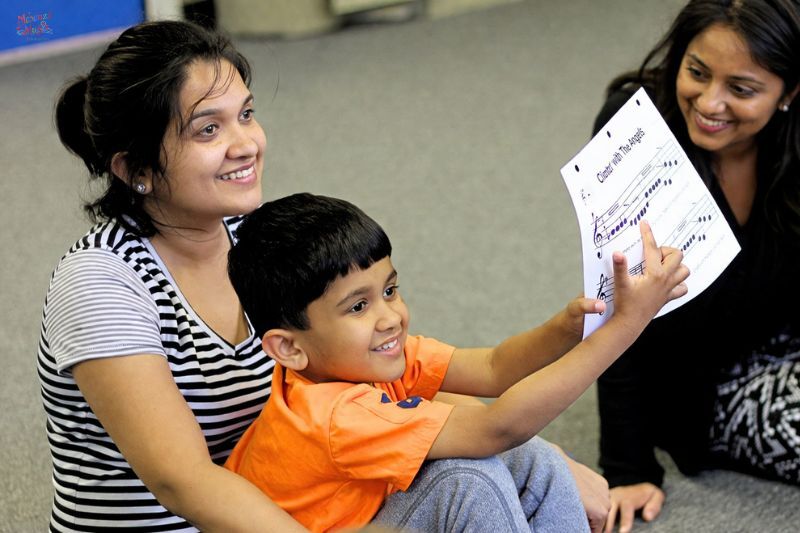
A child may play assigned repertoire but struggle to find a familiar melody or recover without the score.
Children are encouraged to remember, search, adjust, sing and use musical context even when notation is part of the task.
How the learning works
Three parts of one system. Children keep the whole body, ear and voice involved while keyboard skill and music reading become more organised.
Children listen, sing, echo, identify and remember tonal and rhythmic patterns so there is music in the mind before the fingers move.

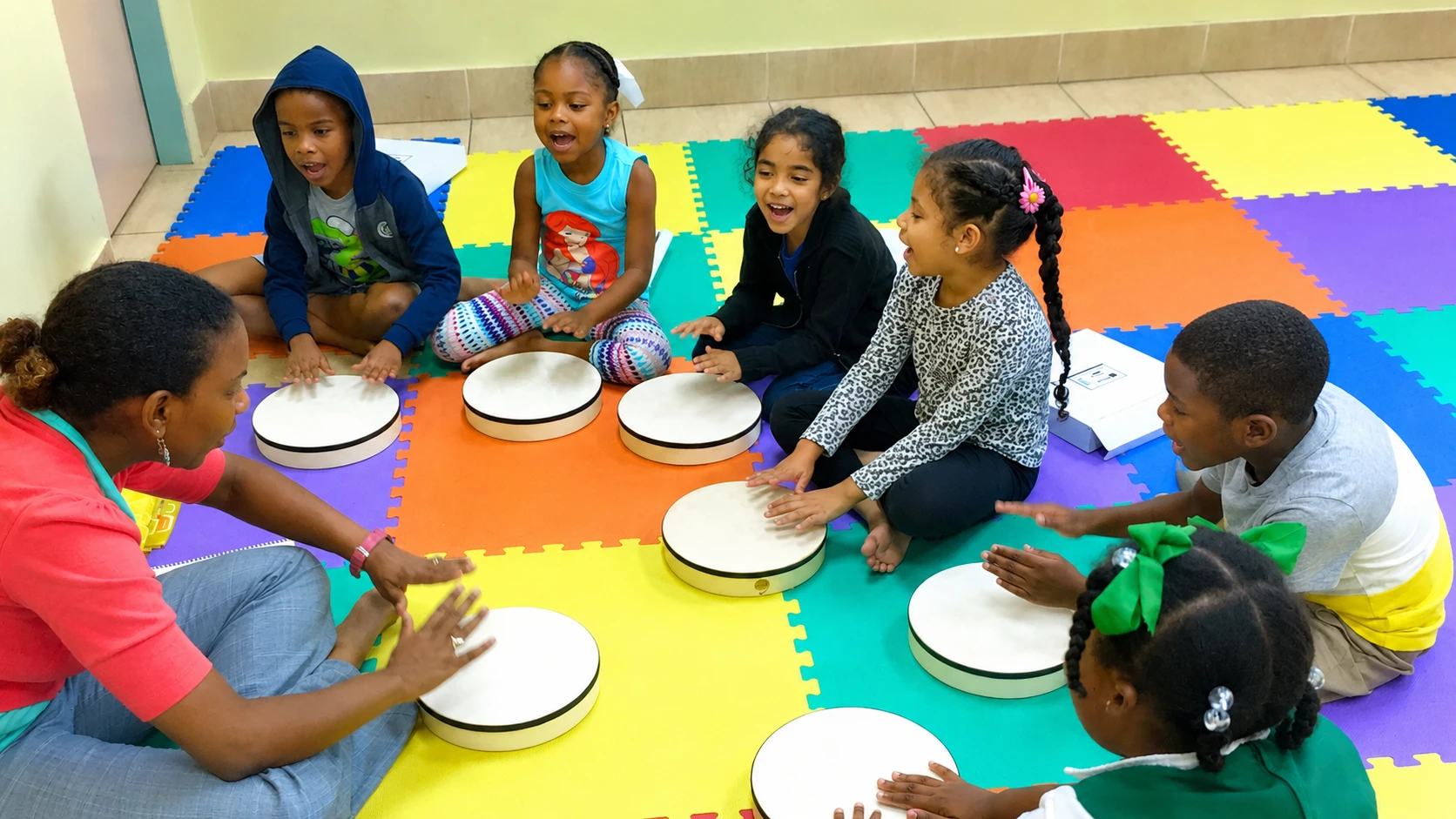
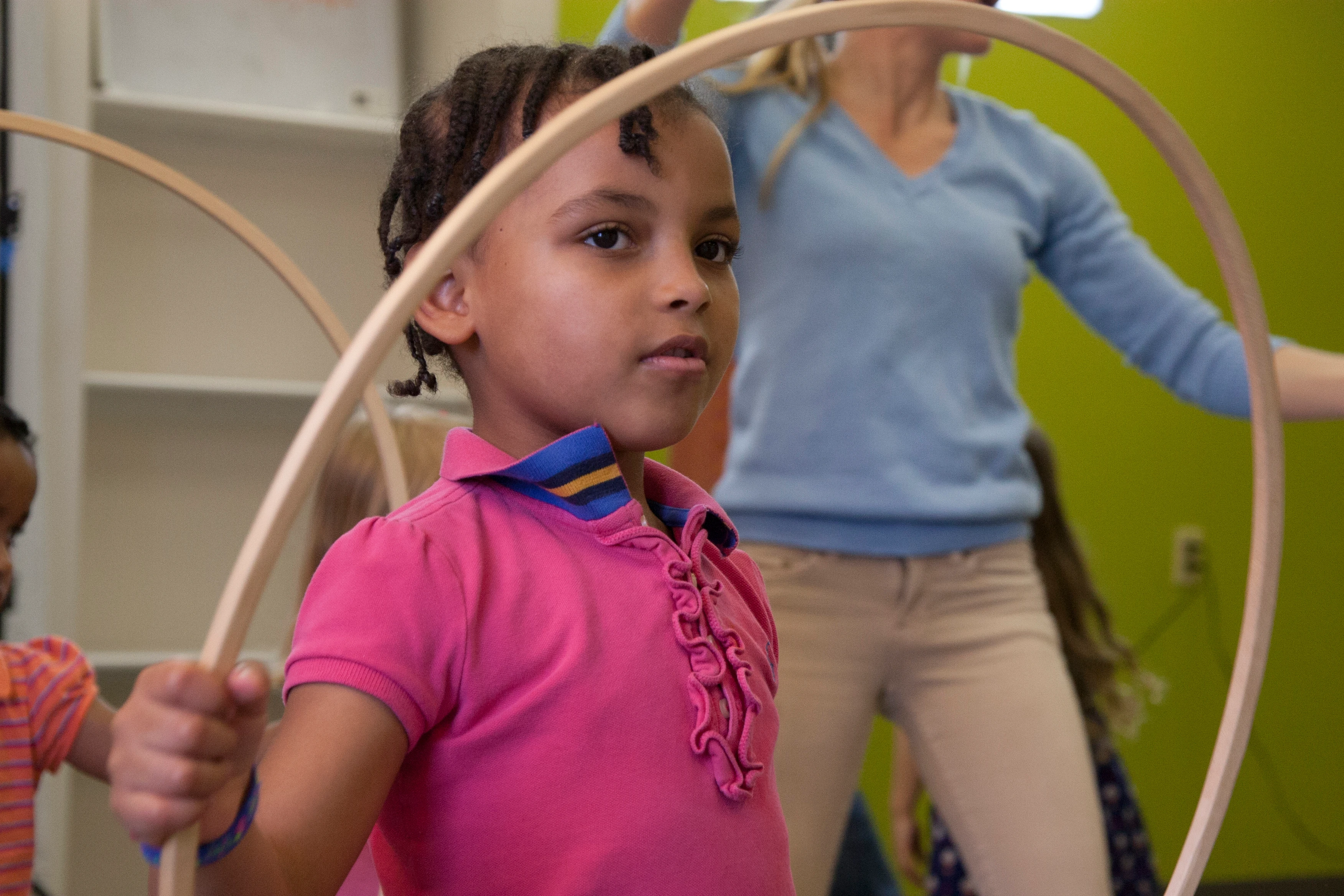
Beat, timing, phrasing, coordination and expression are strengthened through purposeful movement, not by asking children to sit still and process music only with their eyes.
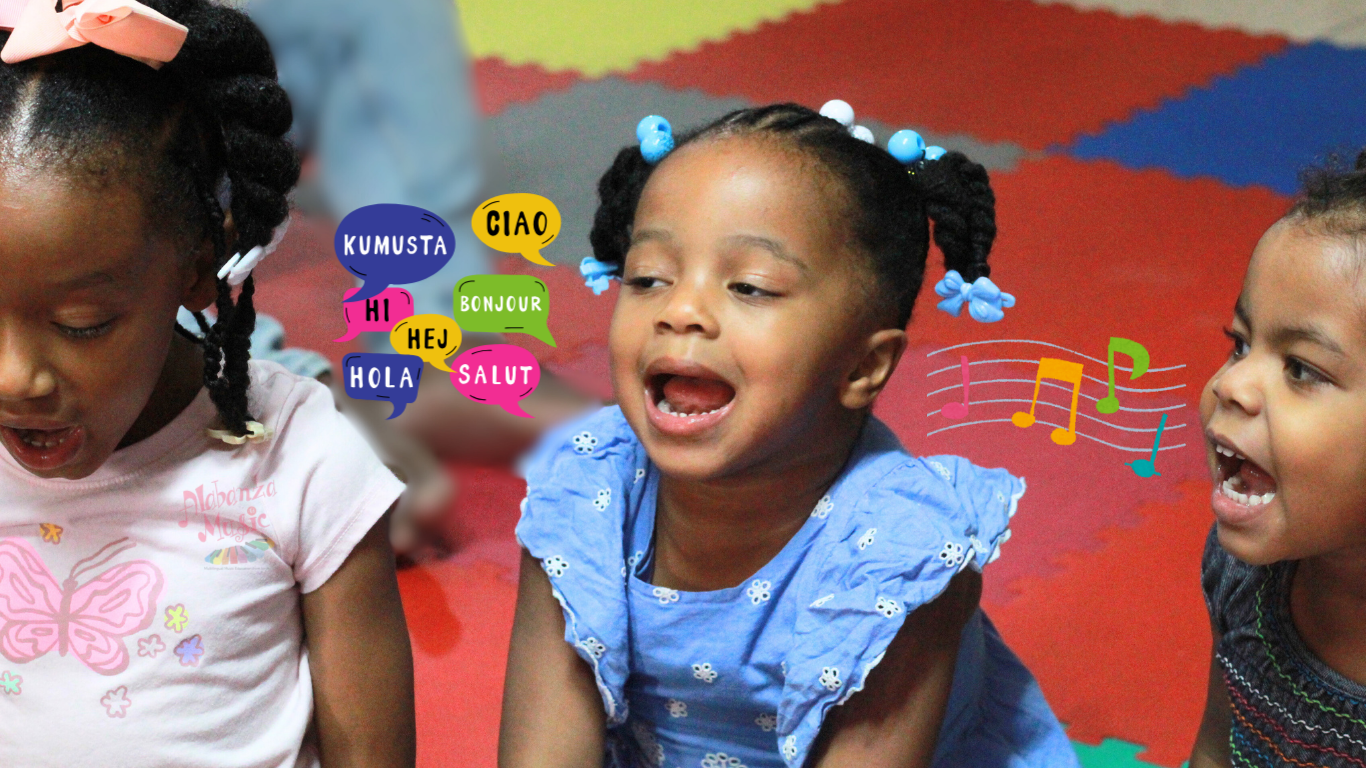
Children explore songs, sounds and cultures across languages, keeping their ears flexible while musical literacy, expression and cultural understanding grow together.
International programme · Exclusively licensed here
Musikgarten® moves children from musical experience into increasingly independent instrumental understanding. We are the only licensed Musikgarten® provider in Trinidad & Tobago.
The shift at this stage
They are learning to hear, recognise, read, adjust and contribute with increasing independence.
What families notice
The strongest proof is often what a child starts doing without waiting to be shown.
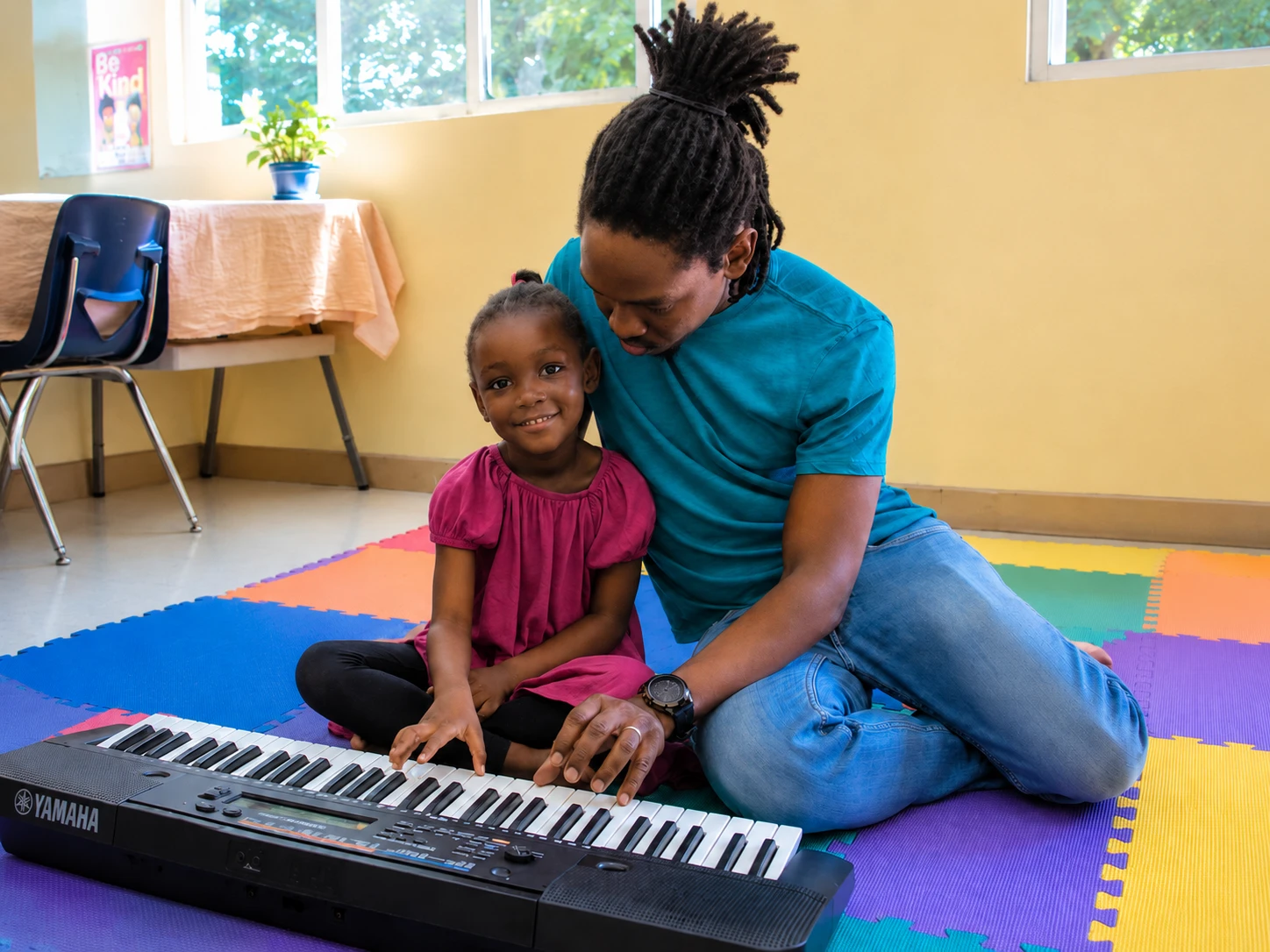
“Look daddy, I could play ‘Listen for Bells’ on steelpan too!”
Her dad described that as the moment he realised the listening and playing-by-ear work had really taken root.
“Classes…more than music. Miss encourages the students to be independent, challenges them when it comes to critical thinking, promotes attentive listening skills, creativity.”
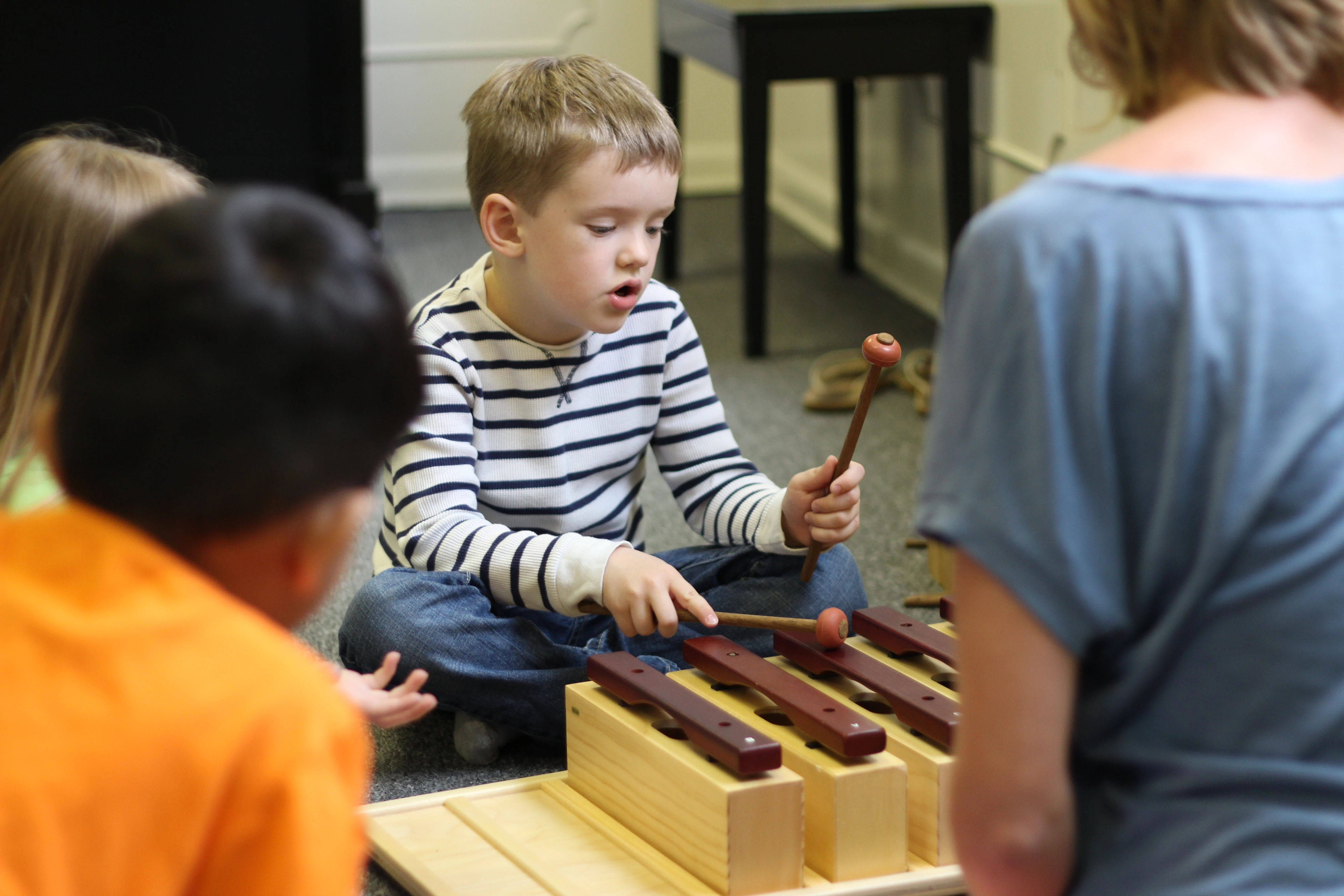
Inside an Intro to Piano & Voice session
A 50-minute session moves between singing, listening, keyboard, movement, notation, ensemble work and creative response, so no single skill develops in isolation.
Children echo, identify, remember and manipulate tonal and rhythmic patterns. Singing develops pitch, phrasing and the inner hearing used when playing and reading.
Children locate patterns, play parts, transfer familiar songs and begin managing more of the physical and musical task independently.
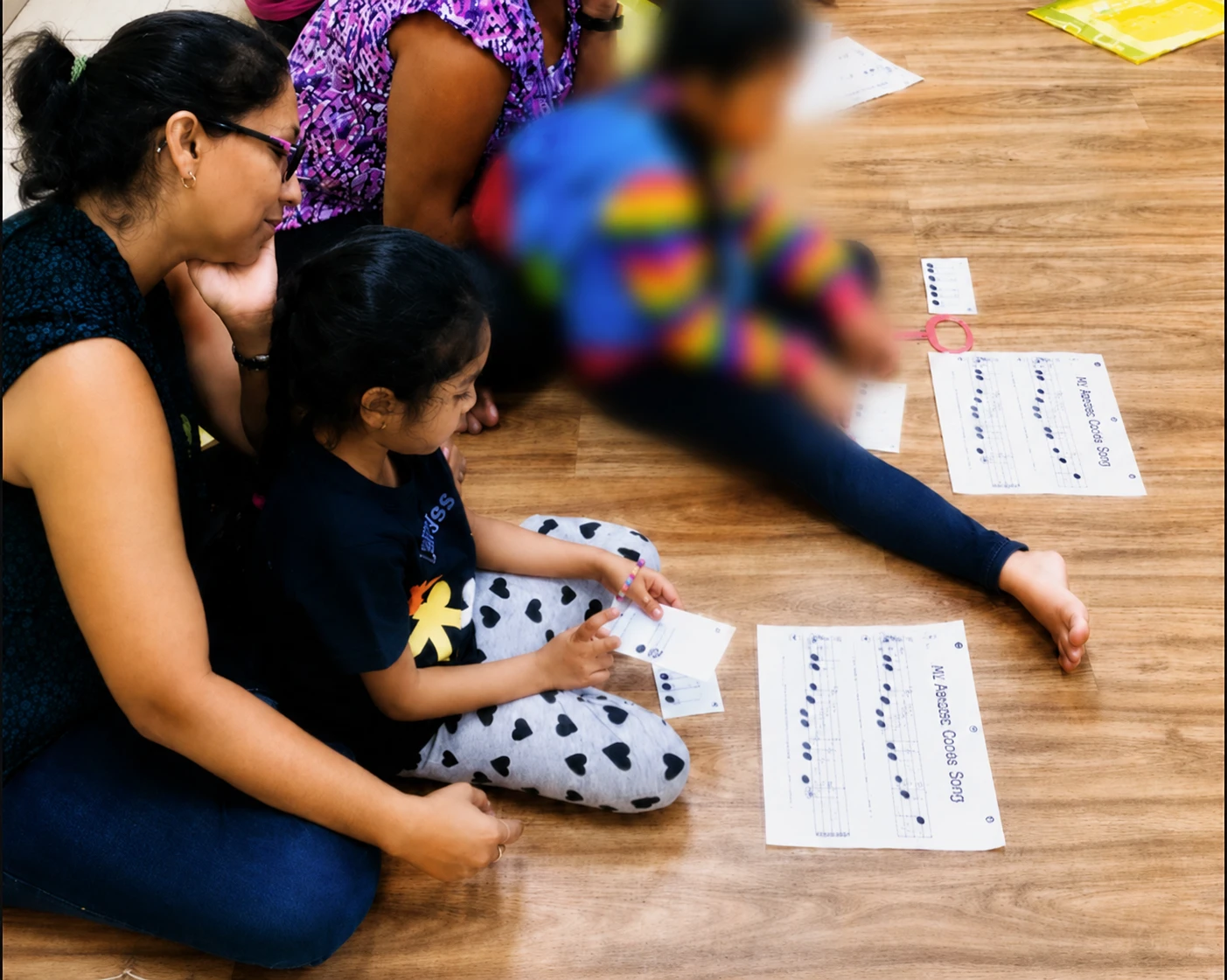
Notation is connected to rhythms and tonal ideas the child already knows. The page labels and organises musical understanding instead of replacing the ear.
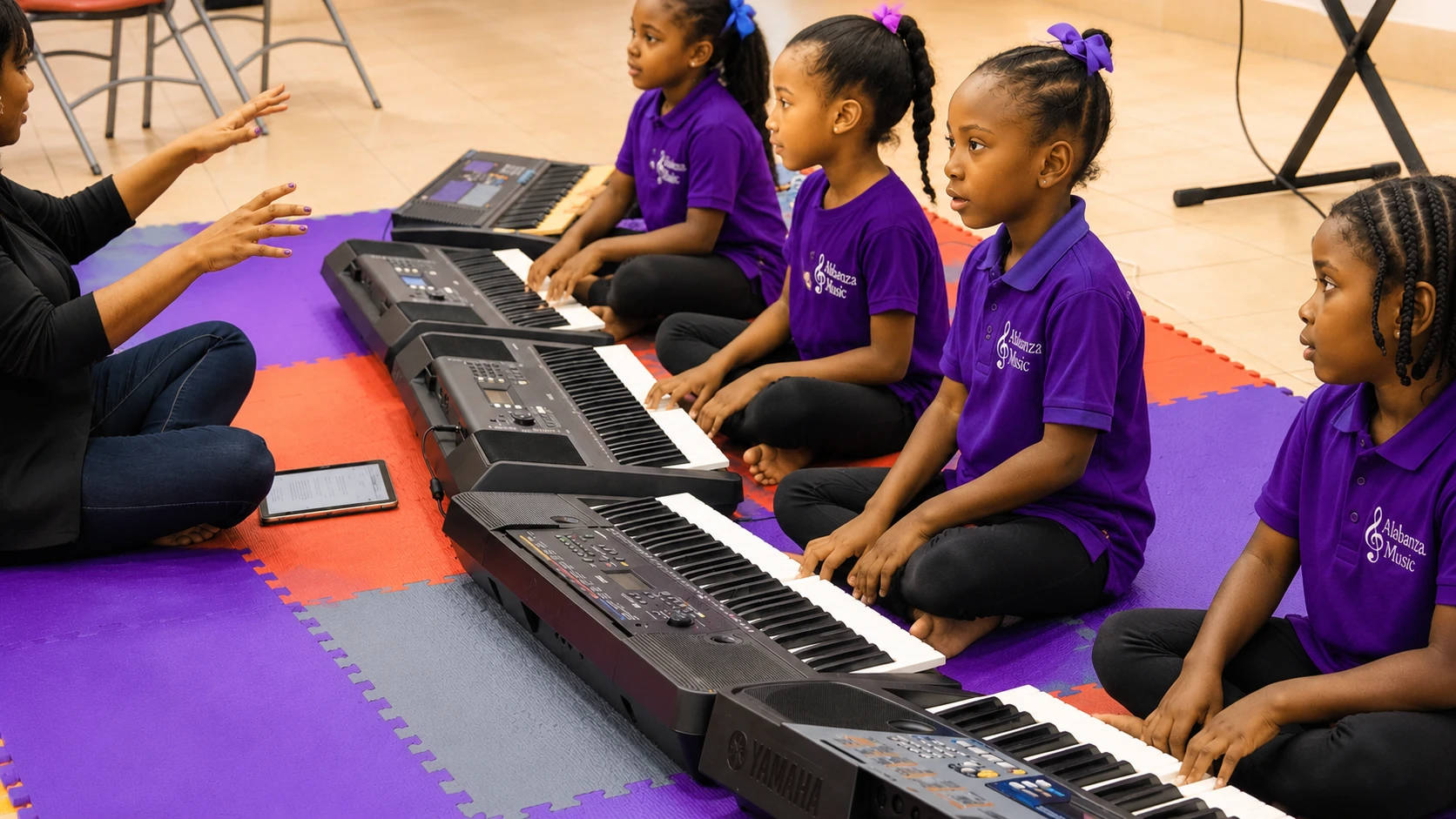
Children listen across the group, enter at the right time, maintain their own part, adjust to others and experience music as a shared language.
They vary, answer, improvise and organise musical ideas of their own, because musicianship includes making decisions, not only following them.
See it for yourself
Watch for more than correct notes. Listen for the singing, rhythmic control, movement, ensemble awareness and musical thinking happening underneath.
What is being built underneath
These are the changes you can start hearing and seeing as the skills connect.
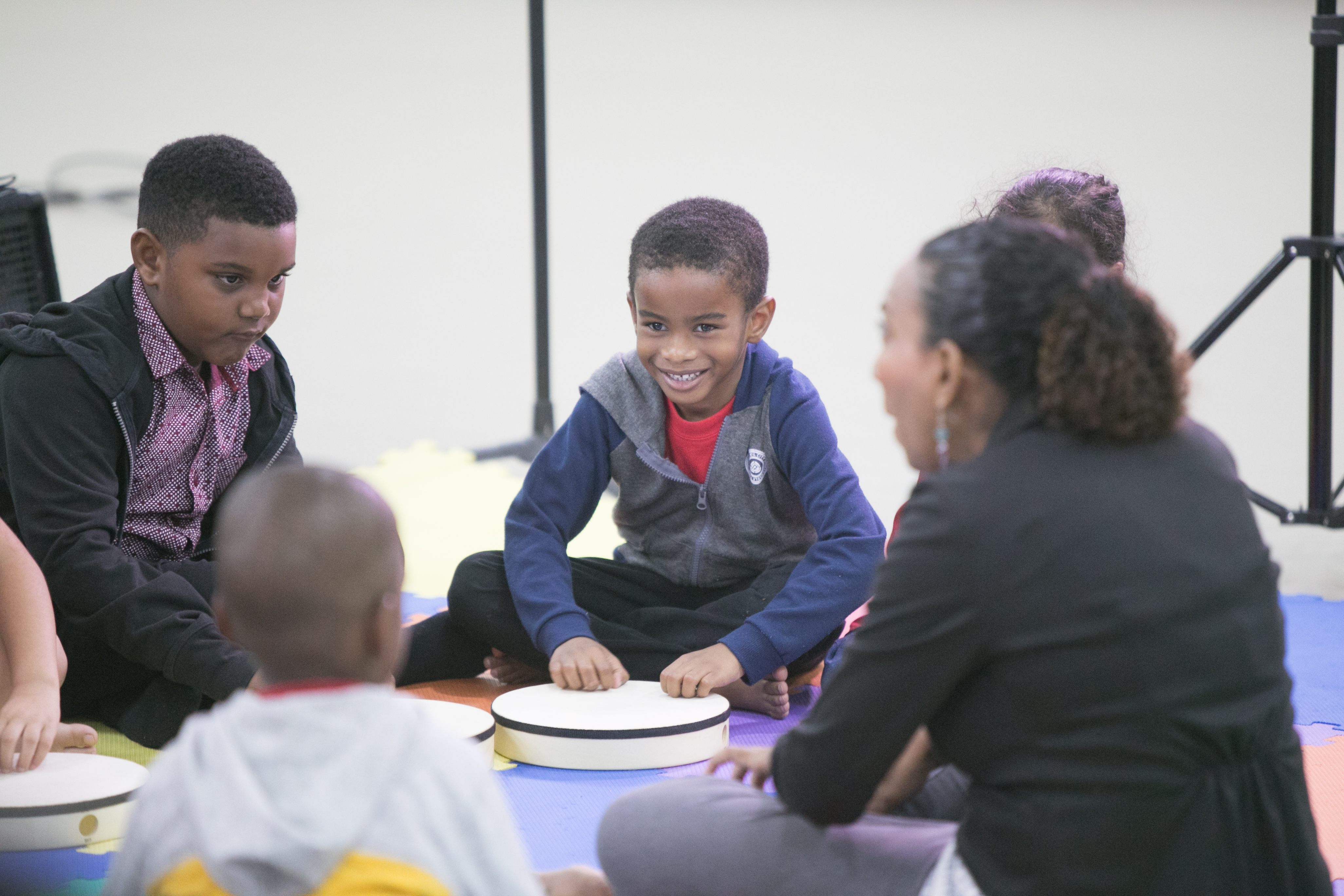
Children listen for patterns and changes, then use the ear to check what they sing or play instead of waiting for every answer.
The voice becomes a musicianship tool. Children build pitch confidence while beginning to combine familiar songs with simple keyboard accompaniment and harmony.
Rhythmic and tonal symbols connect to music already heard and sung, so reading becomes recognition rather than guesswork.
They practise entering at the right time, maintaining their own part, listening across the ensemble and recovering when something changes.
Children improvise, vary and organise short musical ideas of their own, then increasingly explain what they heard, changed or chose.
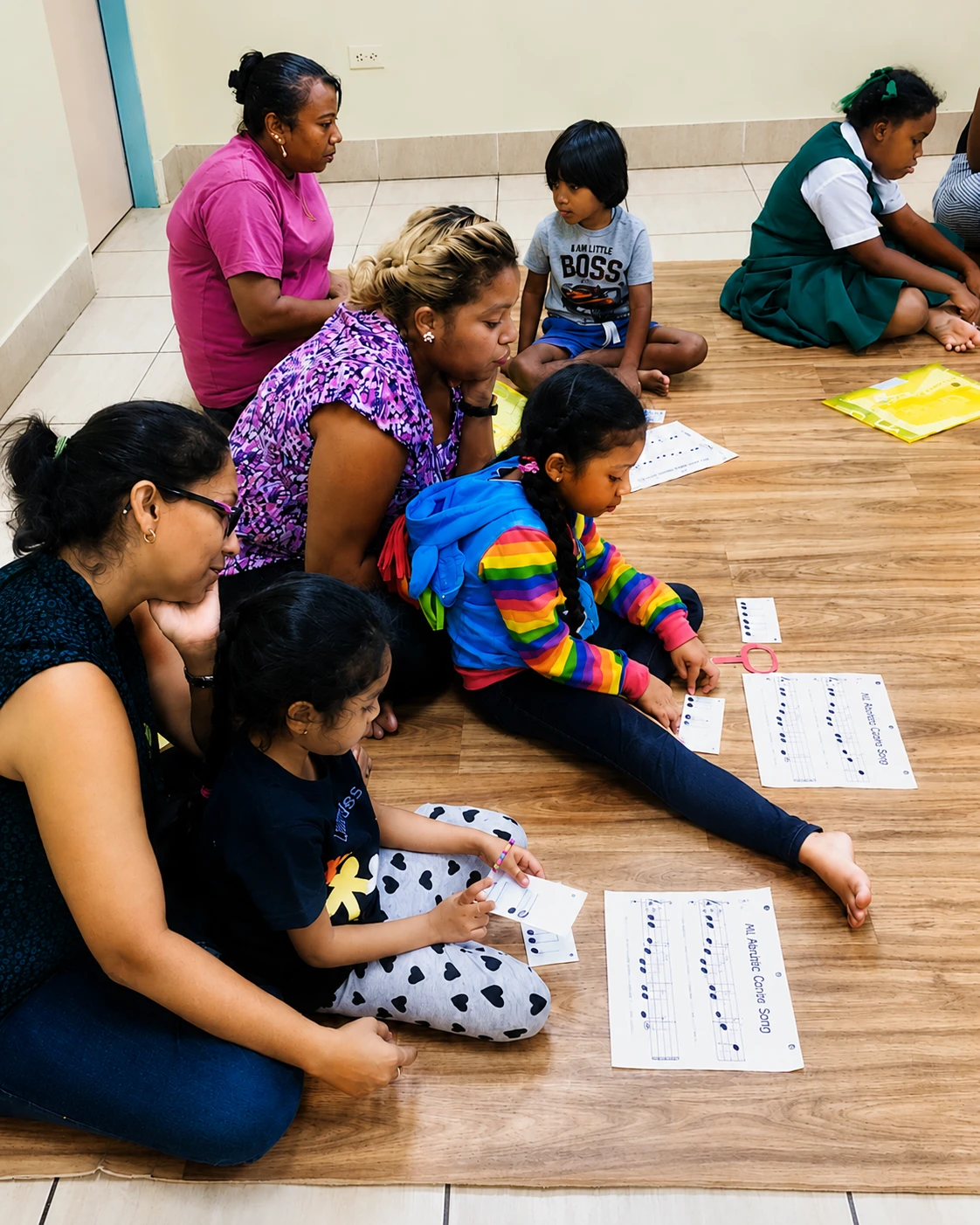
Parents still matter
Parents are welcome to stay. By understanding the listening, singing and practice cues we use, you can reinforce them naturally between sessions without becoming your child’s music teacher.
Your child takes increasing ownership of the musical task, while you know enough to support progress without supplying every answer.
See whether this is the right stage
For most in-person families, Ramajay is the clearest place to begin: two real sessions, specialist placement guidance and no need to commit to the full Semester first.
The MusicVersity pathway
Mundo is where ear-to-instrument work, reading, voice and ensemble skills become strong enough to support the next level of piano, voice and pan musicianship.
The MusicVersity Year
Each semester builds on the last, leading naturally to Graduation & Certification in July.
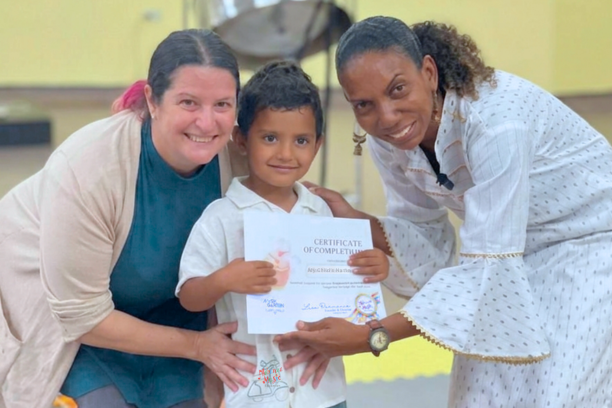
The completion milestone
This is not a set of disconnected weekly classes. Your child is moving through a structured developmental programme with progression and a completion milestone.
Choose How to Begin
For most in-person families, we recommend Ramajay first.
Live Online
TT$100 / USD$16
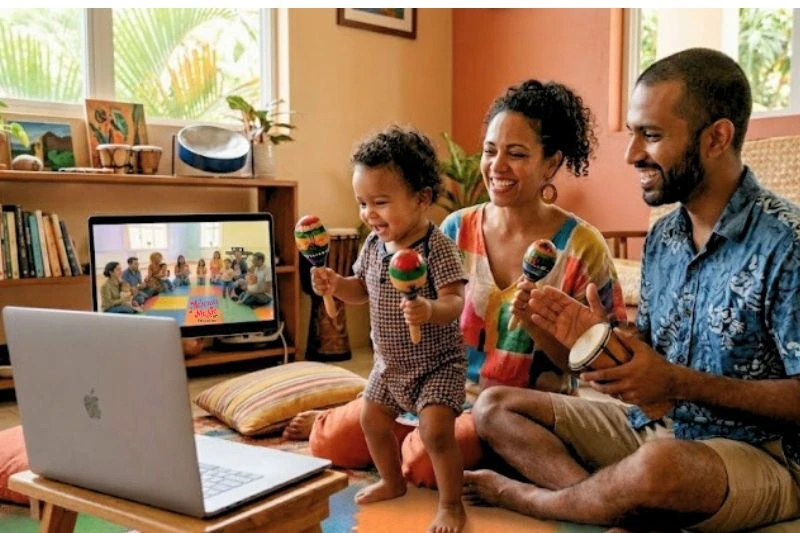
A live, interactive introductory session for local and international families.
Two Guided Sessions
TT$400 / USD$64
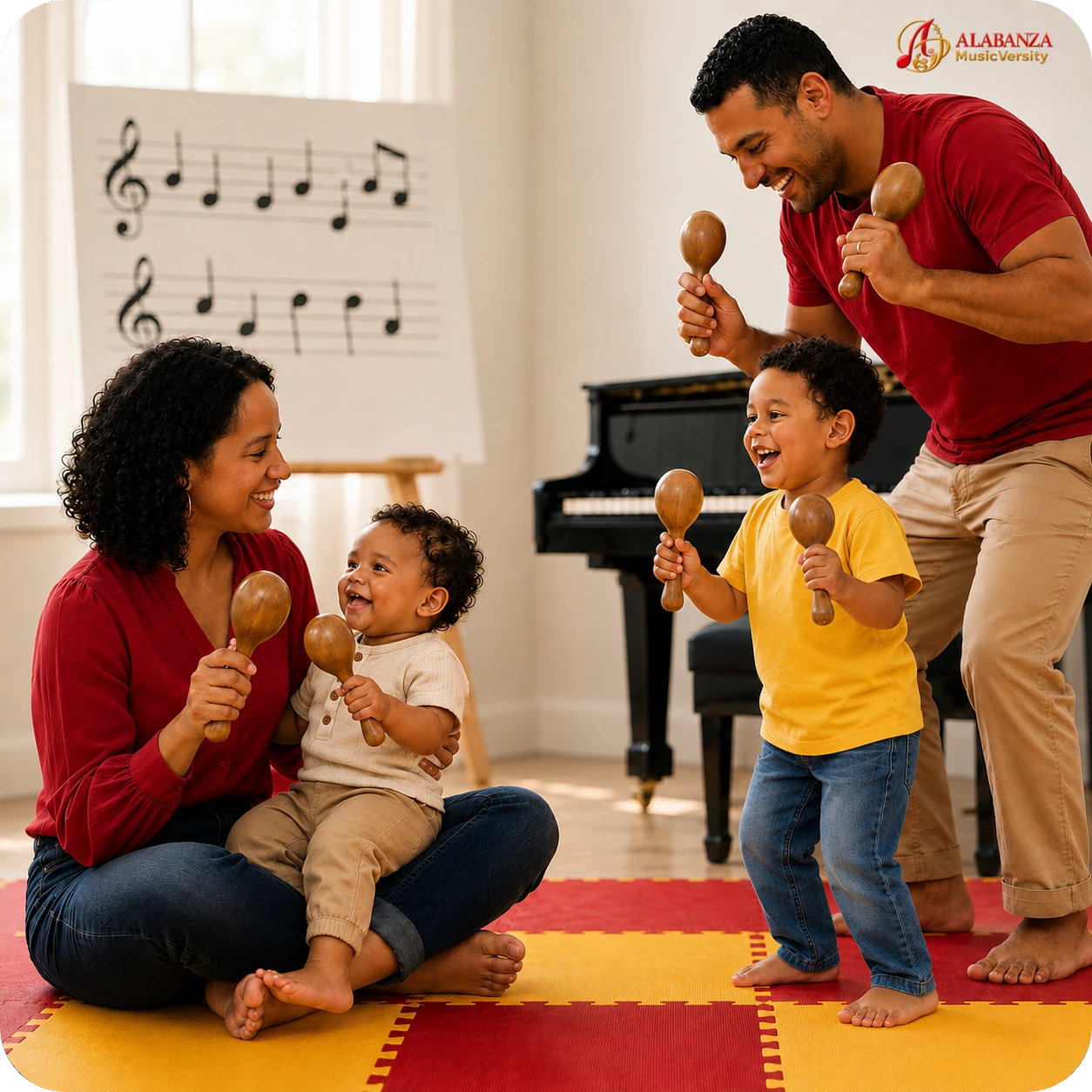
Your child’s first real programme experience, placed for developmental and musical fit.
September–October Foundation
TT$1,500 / USD$240
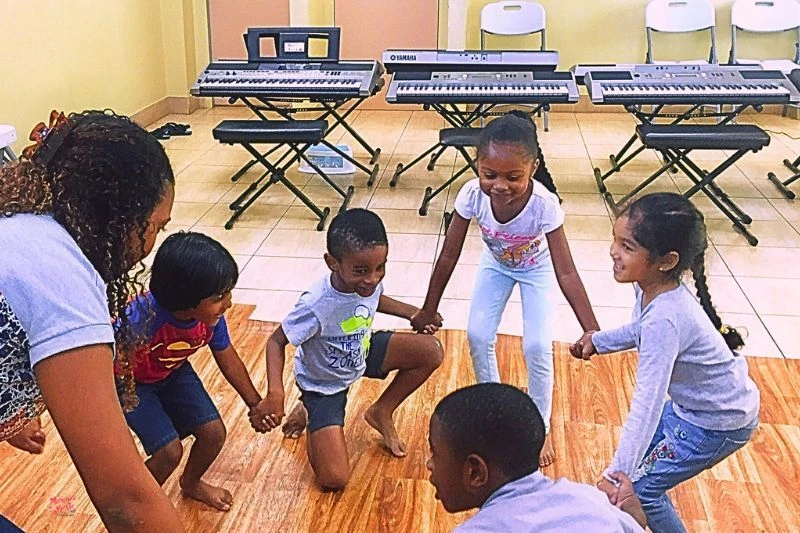
For intentional families ready for a meaningful start before transitioning into Semester membership.
Frequently asked
Questions families often ask before beginning.
No. Keyboard is central, but voice, aural training, rhythm, movement, ensemble work, creativity and meaningful music reading are developed alongside it.
Yes. Reading becomes more important at this stage. We connect notation to rhythms and tonal patterns children can already hear and sing, so symbols carry musical meaning.
No. Some children move into this stage from Preparatory Piano & Voice, while others enter based on age, readiness and prior musical experience. We review placement through the Introductory Experience.
Yes, home access becomes increasingly important as instrumental learning grows. We can guide families on an appropriate keyboard rather than asking you to purchase blindly before placement.
Because musicians do not only practise alone. Ensemble work develops timing, listening across parts, turn-taking, recovery, expression and the ability to hold your own musical role while others do something different.
The core of this stage is keyboard and voice, with other pitched and rhythm instruments used to deepen musicianship. The pathway leads naturally toward Versatile Musicians, where piano, voice and pan become more explicit.
No. We are an independent programme. U.W.I. St. Augustine is one of our class locations and should not be interpreted as U.W.I. ownership or endorsement of the programme.
Ready for the next layer?
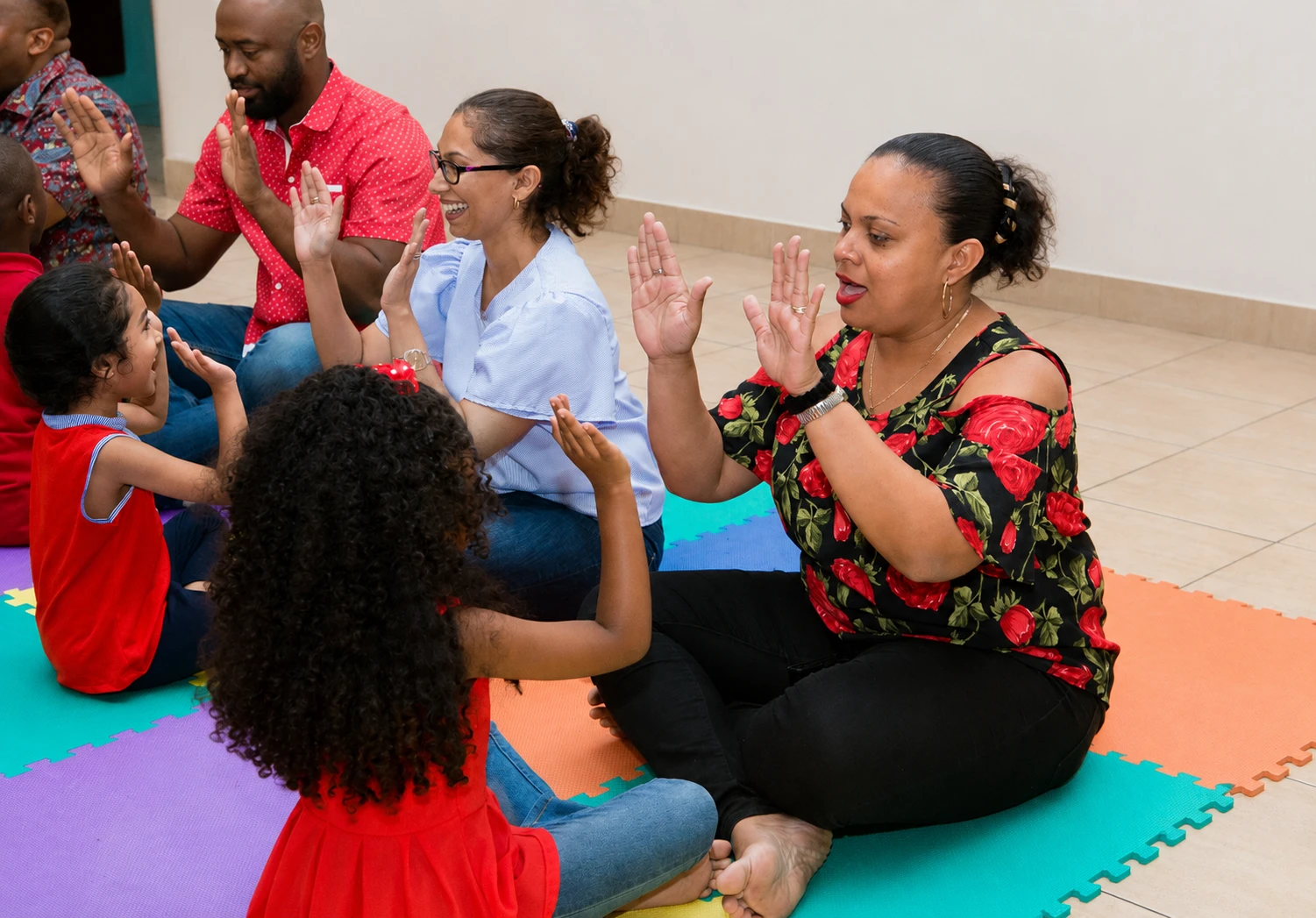
Begin with the Introductory Experience and let us review your child in the programme itself.